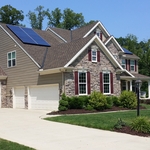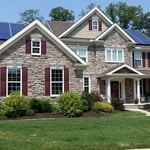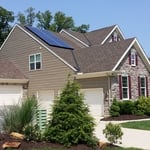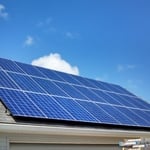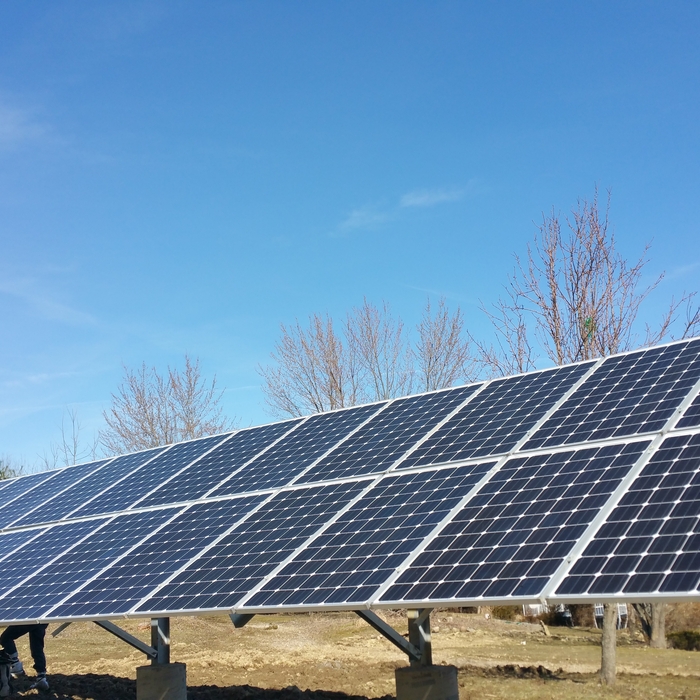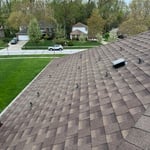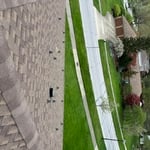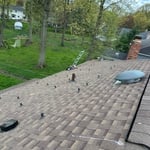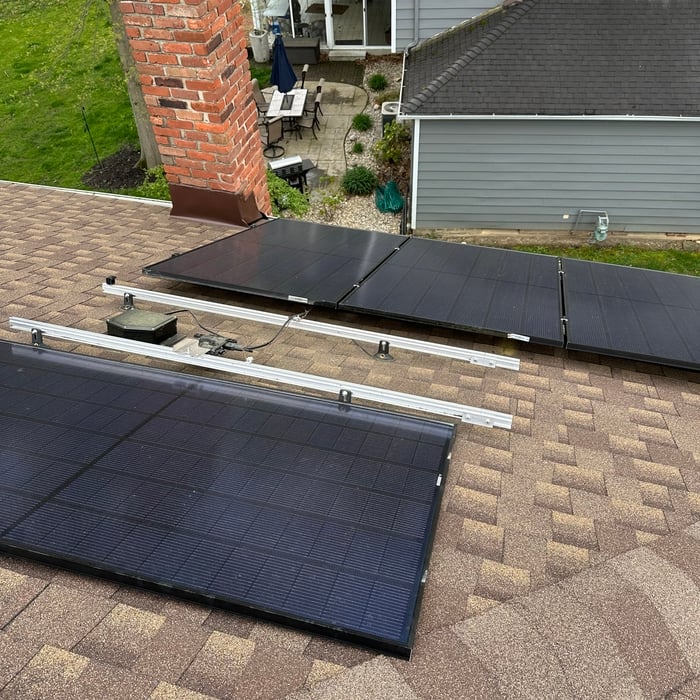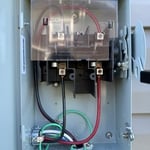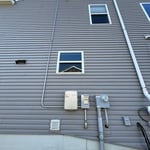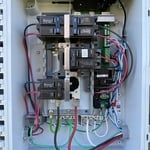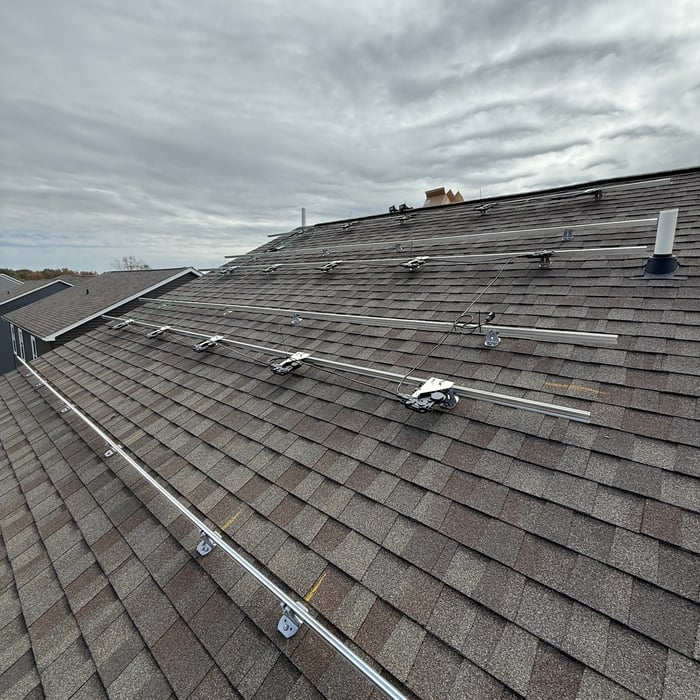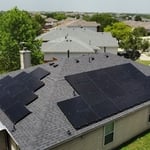
"Yellowlite did a great job. They were competitive against other solar installers, and then offered an end of the year discount that made them the winning bid. Gross cost was $2.53/W, and I will get 26% back as a tax credit. It took ~8 weeks from signing contract to install, and installation took 3 days for the electrician, 1 day for rooftop crew. They were very flexible and great to work with. For example, instead of routing conduit on the roof to connect two separate panel sections, I asked them to go through the attic, and they made the change without a second thought. The quality was great, and the electrician took his time to make the installation look good. The city inspector didn't spend much time looking at the system once he knew it was YellowLite--he was already familiar with their quality. Although the final 20% was earned for them upon startup, I did have to chase down permitting status with the utility, but only lost 1.5 weeks of solar (in cloudy February)."
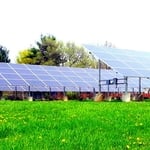
"YellowLite installed my solar system (36 panels, 91% of my energy requirements) in mid-Feb 2020. I have not paid a utility bill since then, and still have a $500 credit on my net metering. Not bad for an all-electric tri-level home, where I keep the AC set on 72F all summer..... I used the EnergySage website to gather quotes and do my research. Of the four quotes (one outside of EnergySage), YellowLite was the best system in terms of energy generation, as well as least expensive by a wide (about 20K) margin. The installation crew were very efficient and professional, as were all the folks who were involved in the project planning, surveys and service initiation. Communication was a bit spotty before project installation, but things really took off from there and I honesty cannot recommend YellowLite highly enough. Installation took less than one day. The SolarEdge app lets you see exactly what your system is generating every hour of every day. It's so wonderful to wake up every day and know I did something wonderful for Mother Earth, and it's paying me personal dividends as well. Even on an overcast November day, my system is producing SOLAR ENERGY. And if you do your research, you will likely find that if you need financing to go solar, your monthly loan payments will be about the same as you are currently paying to your energy provider; the difference is when your loan payments are completed, you will have FREE ENERGY for years to come. If you are thinking of a solar system, DON'T WAIT!! Your free electricity and your solar energy tax credit (22% in 2021) are waiting!!"
"Pipes and pipes were OK. Problem was leaky fixtures . Silicon was put on fixtures and sealed. Problem was fixed. Water no longer leaks to my basement."
"I have first hand knowledge of what it’s like to work with Equinox Solar. The owner is personable and very knowledgeable. His team, top notch professionals who showed up on time and got the job done in a timely fashion. I would absolutely recommend this company, and I even plan to work with them further in the future."
"Tre did a phenomenal job installing our solar panels. It was snowing and freezing the day he came out and he worked nonstop for over 10 hours to get the instalation complete. We officially passed our inspection. Im so pleased with the quality of work."
"The whole process was great! My family and I were very pleased with the friendly service. On top of all that, fantastic results with the installation of the solar panels."
NREP is your partner for solar in Pennsylvania and Ohio. With a consultative approach, we design each solar project custom to your feedback.\n\nWhether you're looking to lower your electric bill, increase your home’s value, or move toward energy independence, NREP Solar is here to make the transition simple and stress-free.\n\nGet a free quote from NREP today to find out how easy it is to go solar.

"I was very impressed with the installer who was sent. He mounted the dish without drilling through my new roof, which might have voided my roof warranty, Also, he mounted the dish in a location where it is easy for me to brush the snow off it in winter. I appreciate his knowledge and thoughtfulness. Also, they didn't charge me to re-install the dish."
The best way to know if your roof can support solar panels is to hire a structural engineer. They’ll look at your roof and approve the design of your solar panel system or suggest changes. The best roofing for solar panels is made from strong materials like asphalt shingles and metal, but tile and gravel will work. Softer materials like thatch or temporary structures are not a good fit.
Rooftop solar panels supply energy to a single household, where a solar farm can power multiple homes at once with clean energy. Residential rooftop solar panels cost more per watt with a lower project total, and those panels only service the residence they are installed on (in most circumstances). With a solar farm, multiple households can buy into the project and share the overall cost.
Although solar panels harness the sun's power, they come at an environmental cost. The manufacturing process requires large amounts of water and involves hazardous materials like cadmium, silicon, and gallium arsenide. These materials don’t pose safety hazards while the panels are in use but can pose a problem when left in landfills. Over time, hazardous materials can leach into the environment. This is why recycling solar panels whenever possible is better than taking them to landfills.
Yes, it is possible to install solar panels on a tar and gravel roof, but it is not the ideal roofing material for a solar installation. The process requires roof penetrations to install the solar racking system. While installers will seal these penetrations, they still increase the risk of leaks. This risk is higher on tar and gravel roofs, which are often flat. Flat roofs are more prone to leaks than sloped roofs because they can pool water during heavy rain and hold snow for longer periods, exposing the roof to more moisture.
Find out how much it costs to remove solar panels, including average prices, key cost factors, and tips to save money on your solar panel removal project.
There are a few factors to consider when it comes to solar panel repair costs. This guide breaks down the prices of solar panel removal, repair, and replacement.
There are three types of solar panels: monocrystalline, polycrystalline, and thin-film. Before choosing one for your home, here are the pros and cons of each.
If you’re making the switch to solar energy, you’ll want to know the difference between solar panels versus solar shingles. Here are the pros and cons of each.