




Top-rated ceramic tile pros.

Best ceramic tile pros near Oakwood, OH

Enter your zip and get matched with up to 5 pros

Need a pro for your ceramic tile service project in Oakwood, OH?

Select your specific project to find the pro for you.

TRUSTED BY OAKWOOD, OH HOMEOWNERS

  • Average homeowner rating star icon4.9
    Average homeowner rating
  • Verified reviews icon36
    Verified ceramic tile services reviews

Top-Rated Ceramic tile pros in Oakwood - Updated Nov 2026

Avatar for NAILEDIT A&B LLC
NAILEDIT A&B LLC
5.0(
12
)
Tile: Ceramic and Porcelain - Install

Serving Oakwood, OH and surrounding areas

Approved

In business since 2020

Free estimates

Small jobs welcome

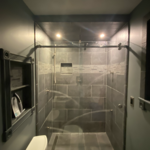
"Highly recommend. Two amazing young men, Brice and Avery, who know what they’re doing. Very prompt, attention to detail and great communication. Very eager to please and quite professional. They have retiled a large shower for us, beautiful. Completed a huge deck plus trex boards. Looks fantastic. Got a rental property ready for us to sell: repaired whole wall, resealed bathtub enclosure, repaired an awful window situation, painted decking, and repaired crown molding. Sold 2 weeks later. Great company. Highly recommend."
Response time2 hrs
Response rate100%
4 neighbors recently requested a quote

...
Showing 1-10 of 221
Ceramic Tile FAQs, answered by experts

Yes, but you should only put tile directly on drywall in smaller areas that don’t experience excess moisture. For example, a small kitchen tile backsplash could work, but installing tile directly on the drywall in a bathroom or other chronically damp area is not a good idea. Either way, a cement backer board is a far more reliable solution, as drywall is susceptible to moisture and can warp or cause your tiles to crack.

Generally speaking, it is better to cut tile wet when using a fast-moving wet saw to reduce dust and chipping. However, tile can be cut dry when using just about any cutting tool. Dry cutting will result in a bigger mess and may increase the risk of chipping or cracking, but if you’re just making small cuts, dry cutting is a safe and viable option. Cutting dry also means you can apply tile grout sooner, so it’s better for rushed projects.

To ensure an even and unbending surface to lay tiles on, you’ll typically need to put a subfloor under a tile floor. Fiber cement backboards are the most common choice, but using plywood is also possible. Don’t neglect this step, or you could risk water damage and grout or tiles prematurely cracking or crumbling, especially in an area with high foot traffic. 

When choosing between porcelain and ceramic tile, the best option depends on your specific needs, budget, and project application. Porcelain tile is generally more durable, denser, and harder than ceramic, making it a good choice for busy, high-traffic areas. It also offers superior moisture resistance, making it ideal for moisture-retaining spaces. However, porcelain is typically more expensive, and its hardness can make it brittle, potentially causing it to crack if a heavy object is dropped on it. In contrast, ceramic tile is a more budget-friendly option with lower material and installation costs. It is softer and easier to work with, making it a great choice for DIY projects. While not as durable as porcelain, ceramic is still a quality material suitable for many home applications, particularly small, decorative projects.

No, tiling over painted walls or wallpapered surfaces is generally not recommended. Textured surfaces and paints will affect the adhesive, possibly causing tiles to lift or fall off. Painted walls with a semi-gloss or high-gloss finish are particularly difficult for adding tiles. It’s wise to strip the paint first if you install the tiles to drywall, although it’s still best to opt for a cement backer board.

The Oakwood, OH homeowners’ guide to ceramic tile services

From average costs to expert advice, get all the answers you need to get your job done.