


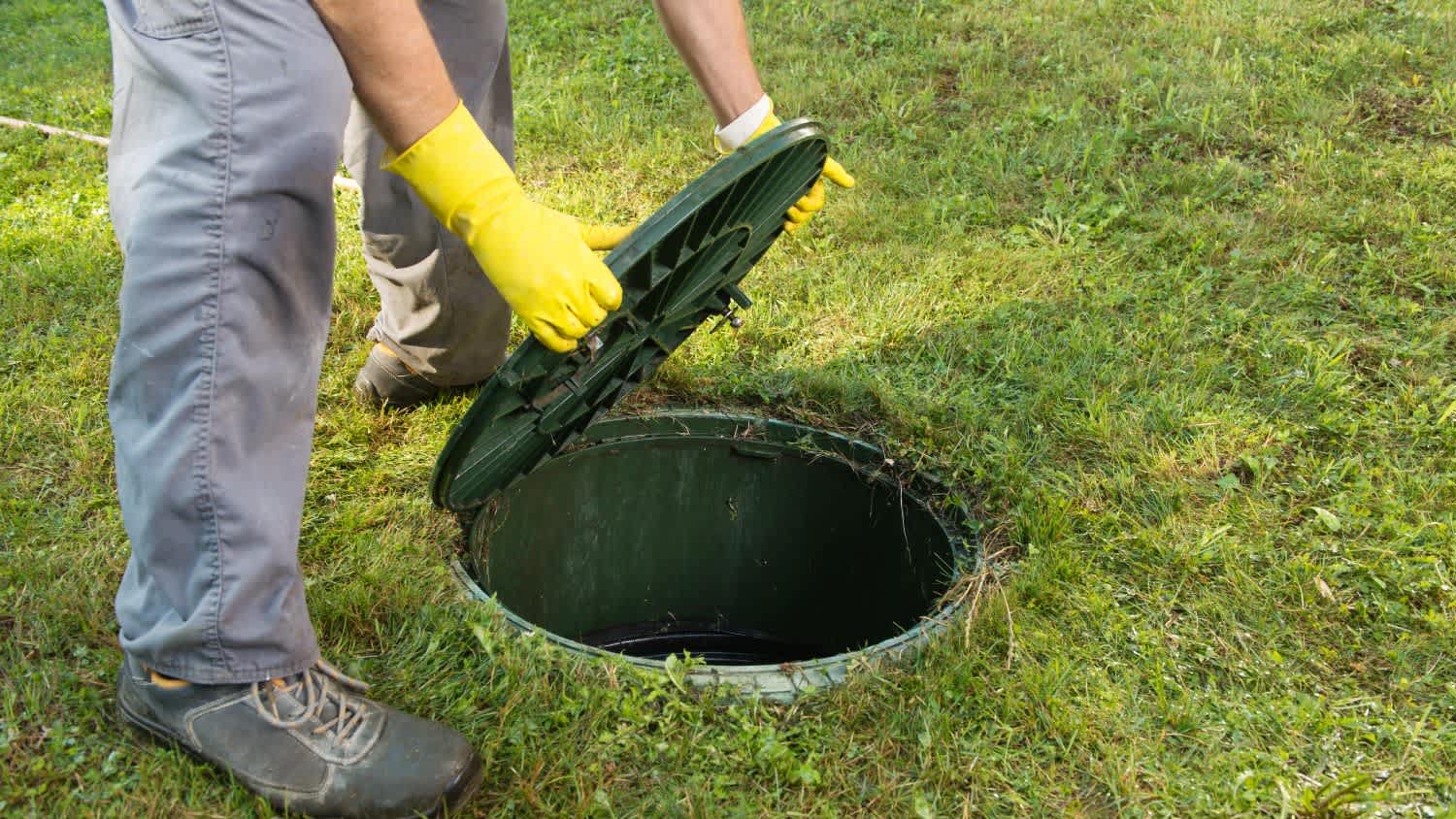
Top-rated percolation testing pros.

Get matched with top percolation testing pros in Mount Gilead, OH

Enter your zip and get matched with up to 5 pros

Need a pro for your percolation testing project in Mount Gilead, OH?

Select your specific project to find the pro for you.

TRUSTED BY MOUNT GILEAD, OH HOMEOWNERS

  • Average homeowner rating star icon4.3
    Average homeowner rating
  • Verified reviews icon143
    Verified percolation testing services reviews

Find Percolation testing pros in Mount Gilead

No results for Percolation testing pro in

Try adjusting your search criteria.
Percolation Tests questions, answered by experts

Unfortunately, asbestos is not easily identified and can often be hidden in plain sight in your home. While it can look like fluffy fibers, tiny pieces can also appear in materials like plastic or cement, making it impossible to identify on your own properly.

Plus, since asbestos is so dangerous when disturbed, you should never root around to try and find it. This job is best for a professional who can test for the material properly.

In the 1980s, the use of asbestos in house siding materials underwent a significant decline, ultimately being phased out by the mid-1980s to early 1990s. This change was largely due to a growing awareness of the severe health risks associated with asbestos exposure, particularly its link to lung diseases and cancers. With increased public concern and regulatory agency involvement, building codes and regulations were updated to restrict the use of asbestos in construction materials. 

Homes built before the 1990s may contain asbestos, but the only way to be sure is to have your home tested. Hire an asbestos testing and removal service to determine whether you have the hazardous material in your home and the best process for removing or sealing it.

Asbestos-containing materials are not easily affected by water and do not disintegrate or dissolve when exposed to it. However, porous materials can deteriorate due to water exposure, leading to the release of asbestos fibers into the air. The settling of asbestos fibers can also occur as water makes them heavy, which reduces the risk of airborne exposure, though future disturbance of the materials could cause risk. Wetting asbestos-containing materials does not constitute safe removal, and the proper handling and disposal of asbestos materials should be left to professionals.

Epoxying over asbestos tiles is generally considered a safe option when done correctly. Epoxy acts as a sealant, encapsulating the asbestos tiles and preventing the release of asbestos fibers into the air. The key is ensuring that the asbestos tiles are in good condition, firmly adhered to the substrate, and not damaged or deteriorating. This method is only appropriate for tiles that are undamaged and securely in place. If the asbestos tiles are already loose, damaged, or deteriorating, encapsulating them with epoxy may not be a sufficient solution, as it might not address the potential for ongoing asbestos exposure.

The Mount Gilead, OH homeowners’ guide to percolation testing services

From average costs to expert advice, get all the answers you need to get your job done.