



Top-rated plumbers.

Best plumbers near Millbury, OH

Enter your zip and get matched with up to 5 pros

Need a pro for your plumbing project in Millbury, OH?

Select your specific project to find the pro for you.

TRUSTED BY MILLBURY, OH HOMEOWNERS

  • Average homeowner rating star icon4.5
    Average homeowner rating
  • Verified reviews icon166
    Verified plumbing services reviews

Top-Rated Plumbers in Millbury - Updated Nov 2026

Avatar for Everdry Waterproofing Toledo
Everdry Waterproofing Toledo
4.4(
225
)
Sump Pump or Interior Foundation Drains - Install

Serving Millbury, OH and surrounding areas

Approved

In business since 1986

Free estimates

Emergency services offered

"They were professional in their work and we never regret getting this done. When sump pump quit working, they came and replaced it with a new one. No questions asked!!"
Response time3 days
82 neighbors recently requested a quote
Recommended by89%of homeowners
Avatar for Premier Home Pros, LLC
Premier Home Pros, LLC
4.2(
108
)
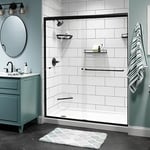
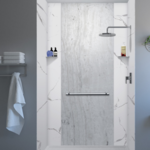
Shower Install or ReplaceBathtub Install or Replace

Serving Millbury, OH and surrounding areas

Approved

In business since 2022

Free estimates

Warranties offered

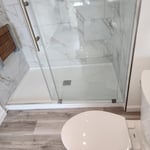
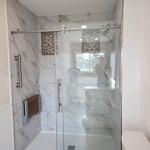
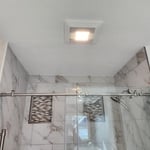
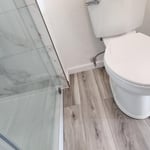
"The process was easy to schedule & finance, had to wait a little while to get all the pieces to schedule the job but seeing the pieces were all custom made it was expected. Installers Eric & Bob did a nice job working with us during the installation process including a few modification changes. Work completed in a timely manner. We're very happy pleased with our new shower!"
bathroom
shower
shower
Hi-Lustre Walls
Hi-Lustre Walls

+68

68 neighbors recently requested a quote
Recommended by47%of homeowners
...
Showing 1-10 of 144
Plumbing FAQs, answered by experts

A sewage ejector pump is necessary if you have any plumbing fixtures, such as a bathroom, laundry room, or sink, located below the level of your home's main sewer line. Standard plumbing relies on gravity to move wastewater and solid waste to the municipal sewer or septic tank. However, for fixtures located below grade (e.g., in a basement), gravity is not sufficient.
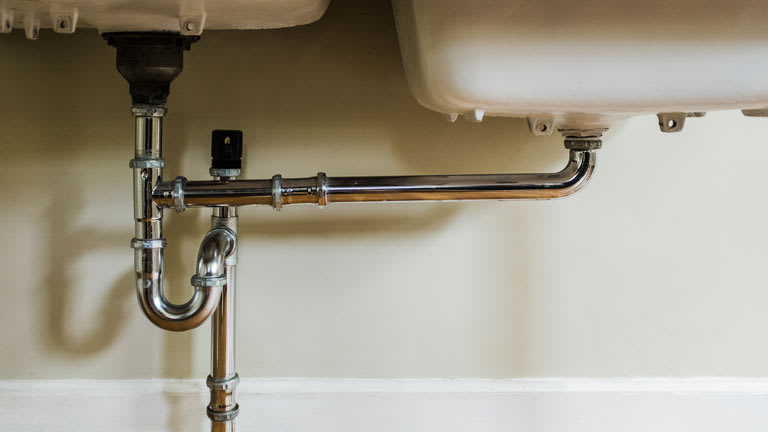
The purpose of a sewage ejector pump is to actively pump this wastewater and solid waste upward into the main sewer line. Without an ejector pump in this situation, wastewater would have no way to exit and would eventually back up, causing a sewage overflow or flooding in your basement. If all of your home's plumbing is on the main floor or higher, gravity can handle the drainage, and an ejector pump is not needed.

Yes, shower water goes into the septic tank. Shower water is a type of greywater, and in fact, all water used in a home with a septic system—including water from sinks, toilets, the dishwasher, and the washing machine—drains into the tank. When shower water enters the tank, debris like soap and hair travels with it. The solid debris sinks to the bottom to become sludge, while soap residue joins the scum layer at the top. The remaining water is treated in the tank before moving to the drain field for further treatment and dispersal. It is important to avoid putting oil or harsh chemicals down any drain, as they can cause clogs or disrupt the beneficial bacteria required for proper wastewater management in the septic system.

The average lifespan of plumbing ranges from 20 to 100 years, primarily determined by the pipe material. For example, PEX piping can last 80 to 100 years, while copper and cast iron pipes have a lifespan of 50 to 100 years. Other materials like CPVC, brass, and steel typically last between 50 and 70 years, and galvanized steel pipes have a shorter lifespan of up to 50 years. The longevity of any pipe material is also affected by factors like soil acidity, extreme temperatures, and proper maintenance, which is crucial for ensuring a long service life.

Unfortunately, no, you cannot shower while your septic tank is being pumped. The water needs to be shut off while your septic tank is serviced, which includes showers, toilets, sinks, and dishwashers. Take a shower well before pumping is scheduled to begin. Once the pumping is complete, you can resume regular water use.

Common causes include hair buildup, soap residue, food particles, and foreign objects. Older pipes can also contribute by facilitating buildup more easily.

The Millbury, OH homeowners’ guide to plumbing services

From average costs to expert advice, get all the answers you need to get your job done.