



Top-rated radon detection and reduction specialists.

Get matched with top radon detection and reduction specialists in Coalton, OH

Enter your zip and get matched with up to 5 pros

Need a pro for your radon detection and reduction project in Coalton, OH?

Select your specific project to find the pro for you.

Find Radon detection and reduction specialists in Coalton

Mid Ohio Radon Experts
New to Angi
Radon Gas - AbatementRadon Gas - Testing

Serving Coalton, OH and surrounding areas

In business since 2022

Free estimates

Offers commercial services

Mid Ohio Radon Experts LLC is a leader in providing our customers with the highest quality service in an honest, efficient, and professional way. Our pledge is to create successful relationships with our customers, employees and community by building trust, treating every project with the utmost integrity and exceeding expectations. We look forward to working with you!

Radon Detection and Reduction questions, answered by experts

The average radon mitigation system uses about 876 kWh of electricity per year, although the exact amount of electricity used will vary depending on the size of the radon fan. Once the system is installed, the annual increase to your energy bill could range from $30 to $300 per year, again depending on the size of the fan.

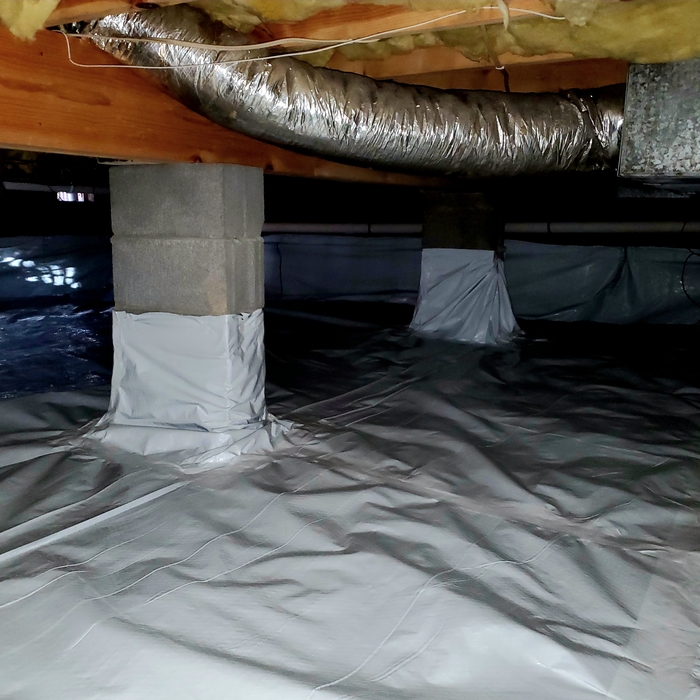
The cost for a radon mitigation system typically ranges from $800 to $1,500, with an average around $1,000. The final price depends on several factors, including the size of your home, the severity of the radon issue, and the type of system required. Your home's foundation type also significantly impacts the cost. For example, sealing and ventilating an unfinished basement might cost around $4,600, while encapsulating a crawl space without a foundation slab can range from $1,500 to $15,000.

Radon is present almost everywhere but, like sunlight, the concentration levels and how often you are exposed to it have a large part to play in just how dangerous it is. There are levels of radon that are acceptable inside a house, but above a certain limit, radon becomes a serious radioactive hazard that is a known cause of lung cancer. In fact, radon exposure is the number two leading cause of lung cancer (after smoking).

The lifespan of a radon mitigation system depends on the type of system and its maintenance. With proper care, a system can last for many decades. Passive systems tend to last longer as they have fewer components that require replacement. Active systems, which have more moving parts like fans, generally have a shorter lifespan. For instance, water filtration devices and active pressurization systems require more frequent maintenance. While the system as a whole is durable, the radon fan in an active system typically has a lifespan of 5 to 10 years and will need to be replaced. As long as the fan is working, the mitigation system should function correctly.

Testing every 2-5 years or upon adjusting occupancy or structural changes maintains safe environments.

The Coalton, OH homeowners’ guide to radon detection and reduction services

From average costs to expert advice, get all the answers you need to get your job done.