

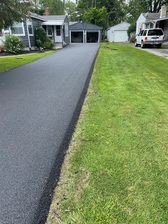
Top-rated asphalt driveway pros.

Best asphalt driveway pros near Kinsman, OH

Enter your zip and get matched with up to 5 pros

Need a pro for your asphalt driveway service project in Kinsman, OH?

Select your specific project to find the pro for you.

TRUSTED BY KINSMAN, OH HOMEOWNERS

  • Average homeowner rating star icon4.7
    Average homeowner rating
  • Verified reviews icon16
    Verified asphalt driveway services reviews

Top-Rated Asphalt driveway pros in Kinsman - Updated Nov 2026

...
Showing 1-10 of 95
Asphalt Driveways FAQs, answered by experts

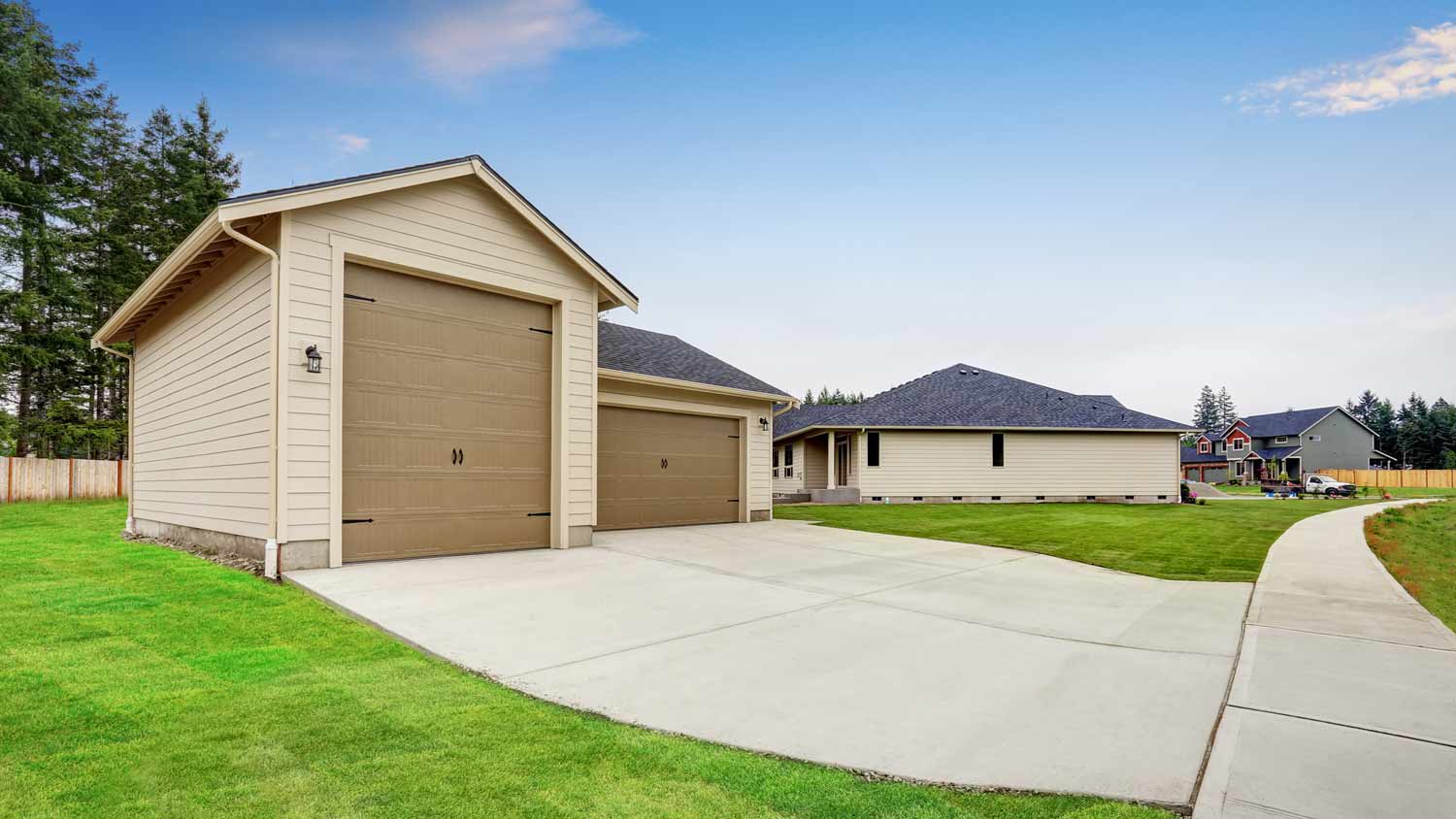
The dimensions of a driveway apron vary based on local building codes, the width of your driveway, and the distance between the driveway and the road. On average, aprons range from 12 to 24 feet wide and 8 to 18 feet long. Typically, the end of the apron connected to the driveway matches its width—such as 10 to 12 feet for a single-car driveway—while the end at the street flares out to allow cars to turn in and out more easily. In some areas, you may not be responsible for the portion of the apron that extends beyond the sidewalk, but this depends on local laws.

An asphalt driveway should be at least 3 inches thick over a compacted gravel base. Areas with poor drainage should have a thicker stone base. To install a new asphalt driveway over an existing driveway, the new asphalt should be at least 2 inches thick and the existing driveway should be in relatively good condition.

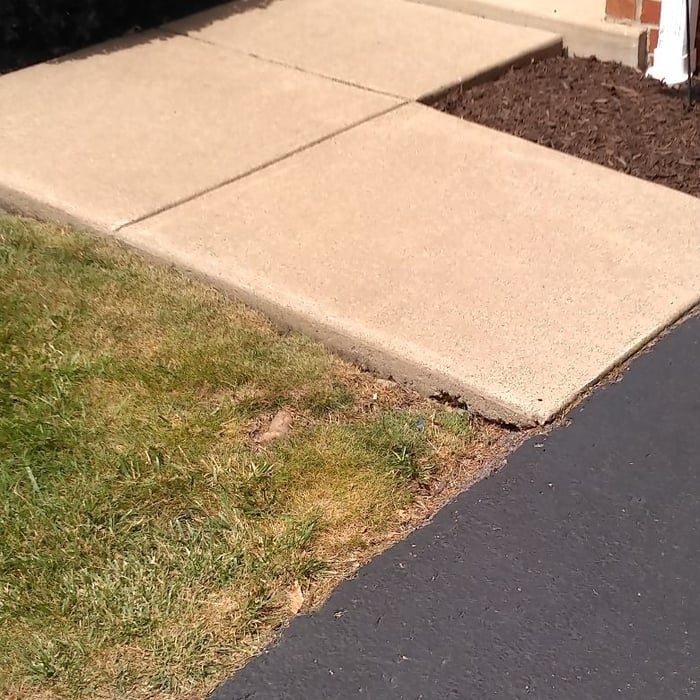
Asphalt is not a type of concrete. While both are a common type of pavement, asphalt is composed of aggregates (like sand and gravel) and bitumen; concrete is a mixture of cement, aggregates, and water. Here are some of the key differences between asphalt and concrete driveways.
There’s no single best asphalt grade—it all comes down to where and how it’s used. Highways and heavy-traffic roads need something tough, like polymer-modified asphalt (PMA) or Stone Matrix Asphalt (SMA). Local roads and parking lots rely on the Performance Graded (PG) system, chosen based on climate. A PG 64-28 mix, for example, handles a broad temperature range while simpler, more cost-effective mixes are typically enough for residential driveways. The best grade of asphalt depends on traffic, weather, and your budget, which is why a professional’s input is always a smart move before making a decision.

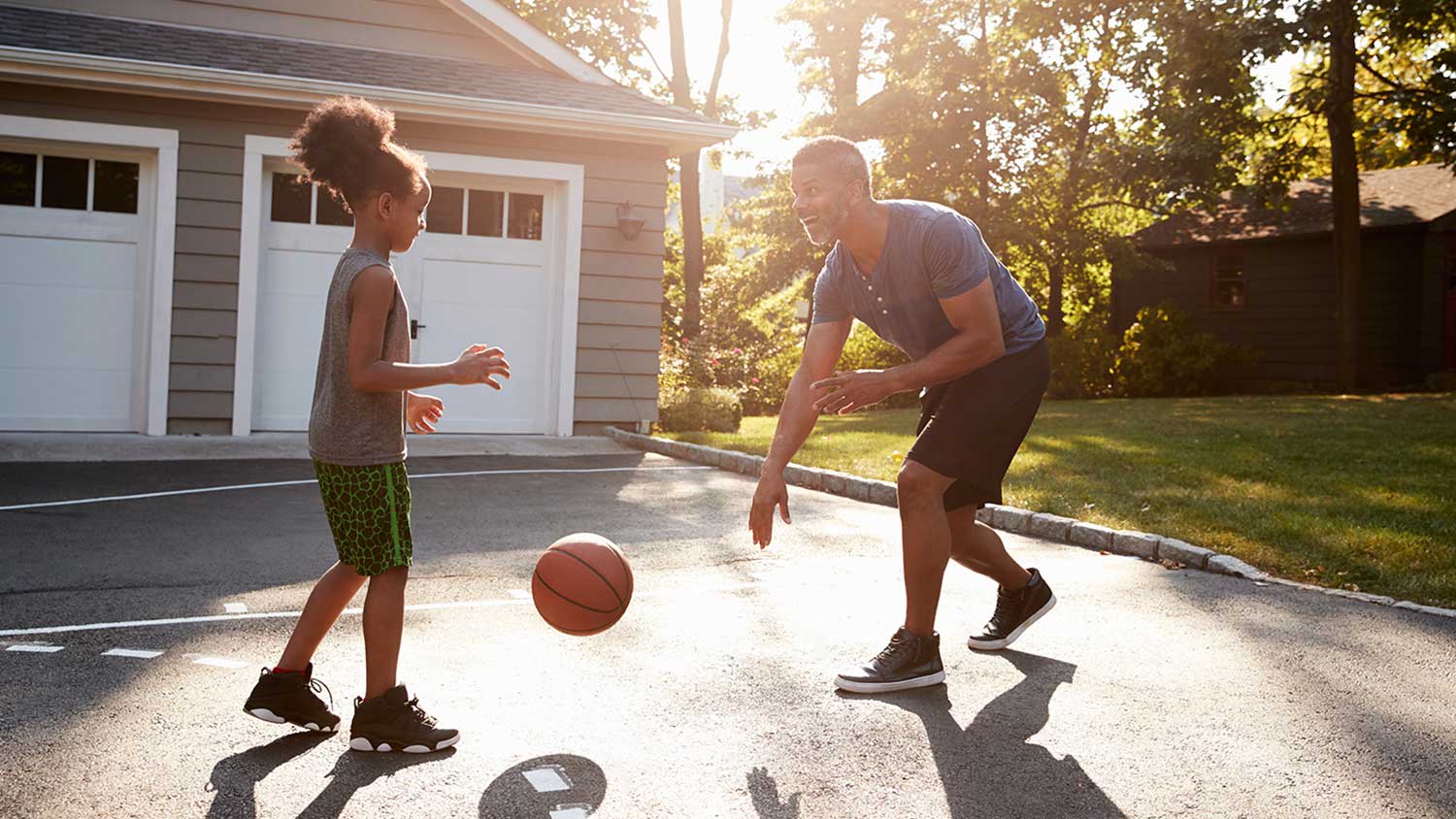
Asphalt, which is stone mixed with tar, is the most common material for outdoor basketball courts because it’s so sturdy and versatile. However, you don't have to use it: another option is polymeric rubber, which has shock pads that can prevent injury. This option is a little more expensive, ranging between $16 and $25 per square foot.

Materials used for indoor basketball courts, such as hardwoods, aren’t really an option outdoors.

The Kinsman, OH homeowners’ guide to asphalt driveway services

From average costs to expert advice, get all the answers you need to get your job done.