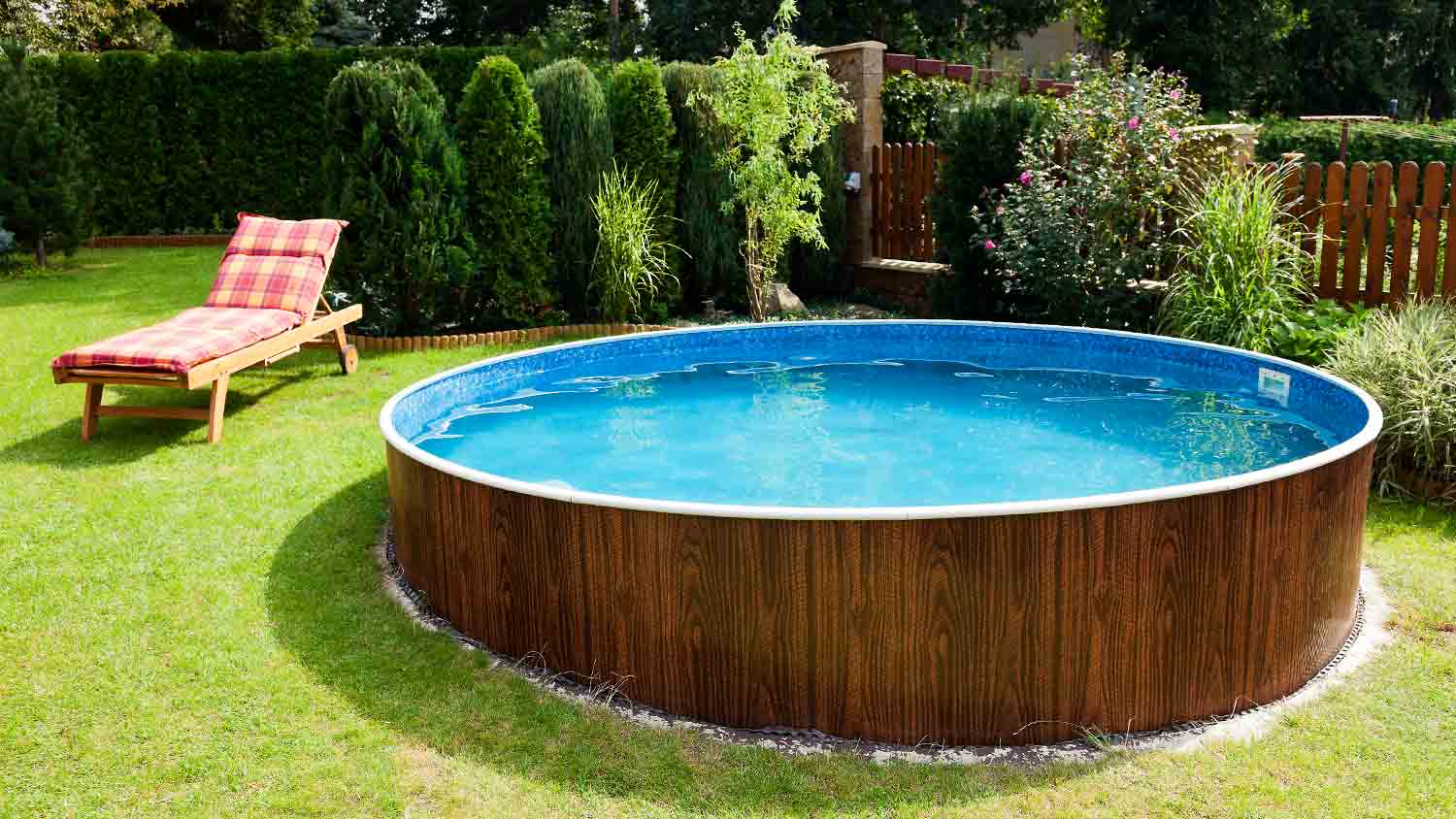





Top-rated above ground pool installation pros.

Get matched with top above ground pool installation pros in Killbuck, OH

Enter your zip and get matched with up to 5 pros

Need a pro for your above ground pool installation project in Killbuck, OH?

Select your specific project to find the pro for you.

Find Above ground pool installation pros in Killbuck

Avatar for American Home Shield – Home Warranty
American Home Shield – Home Warranty
3.5(
5,688
)

Serving Killbuck, OH and surrounding areas

In business since 1971

Credit card accepted

"One oven doesn't work at all ( my choice, see above), the "working" oven was never calibrated properly so using it is hit or miss. It's time to call American Home Shield to see about replacing the entire unit. I'm waiting to finish other home projects before calling them. I don't know if I'll request Greenway again."
Additional Photos
Additional Photos
Additional Photos
Additional Photos
Additional Photos

+2

Recommended by65%of homeowners
Install Above Ground Pools questions, answered by experts

Water only runs through a pool heater when not in use if the heater doesn’t have a bypass system. A bypass system stops the flow of water through the heater when not in use. If you don’t have one, then yes, water will still run through the pool heater even when not in use. Not having a bypass system may increase the effects of wear and tear on your pool heater or disrupt the water’s chemical balance.

While you can use a grounding rod when bonding an in-ground pool, that’s necessarily the best option. A grounding rod is an older grounding method that’s not usually used anymore, thanks to modern electrical design and services. Again, if you don’t have electrical experience, your best and safest bet is to hire a pool electrician.

Certain pools serve as a middle ground between traditional swimming pools and hot tubs. The two main options are plunge pools and swim spas. A plunge pool (or cocktail pool) is smaller, but you can add spa-like elements such as heating and jets. A swim spa is more similar to a hot tub, but it produces a current that allows you to swim in place (similar to how a treadmill lets you run in place). 

No, shock and chlorine are not the same thing, though they are related and both are used for pool maintenance. Regular chlorine, often in the form of tablets, is a sanitizer used for routine, day-to-day maintenance to keep a steady chlorine level. Pool shock, however, is a highly concentrated dose of chlorine used periodically for a more intense cleaning. It rapidly raises chlorine levels to fix issues like cloudy water or algae growth and also eliminates chloramines, which are byproducts of regular chlorination. Because their purposes and concentrations differ, they are not interchangeable, and proper pool care typically requires using both.

Permits are generally required to build an in-ground swimming pool. These permits cover aspects like zoning, safety fencing, and electrical work. Obtaining the correct permits involves coordination with local building authorities.

The Killbuck, OH homeowners’ guide to above ground pool installation services

From average costs to expert advice, get all the answers you need to get your job done.