Even a single, one-time exposure to asbestos can be harmful and pose health risks. According to the EPA, any contact can increase the risk of developing asbestos-related diseases and certain types of cancer, although the likelihood of severe health issues increases with repeated or prolonged exposure.
The severity of a single exposure depends on factors like the duration, intensity, and concentration of the asbestos fibers. While a small amount is less likely to cause significant damage, a high concentration can lead to serious long-term lung damage. Individual reactions vary, and asbestos-related illnesses may not appear for 10 to 40 years after inhalation.
Given these risks, always take precautions around any material suspected to contain asbestos. Personal protective equipment (PPE) may not be completely effective. If you suspect asbestos is in your home, hire a professional for testing and removal. If you are worried about a potential exposure, consult your doctor.
Most manufacturers stopped putting asbestos in linoleum before 1980 due to public concerns about its toxicity. However, the Environmental Protection Agency (EPA) didn’t ban asbestos-containing products until 1989, and a comprehensive ban was not announced until 2024. This means that homes built after 1989 may still have asbestos in their flooring.
Since the EPA partially banned asbestos in 1989, it is no longer used to manufacture new siding in the United States; production had largely ceased by the early 1980s. Many other countries, such as Canada, Iceland, and Denmark, also have bans on asbestos. However, asbestos siding is still present in many homes built before the late 1980s. The only definitive way to know if your siding contains asbestos is to have it professionally lab-tested.
Professional asbestos testers or environmental consultants are the best people to call to test for asbestos. An asbestos testing company specializes in collecting and analyzing samples and will be the most qualified to do the job for you. An environmental consultant may not specialize in handling asbestos, but should still have the knowledge and know-how to safely collect a sample and send it off for analysis.
The Environmental Protection Agency (EPA) banned the use of asbestos pipe insulation in certain applications in 1975. It released further bans in 1989 and 2019. While asbestos pipe insulation was common from the 1930s to 1970s, its use fell off after the 1970s due to public concern and the EPA's actions.
The Jackson Center, OH homeowners’ guide to percolation testing services
From average costs to expert advice, get all the answers you need to get your job done.
Dry wells are handy for anyone who’s experiencing drainage problems. But dry well installation costs can vary depending on its size, location, and volume.
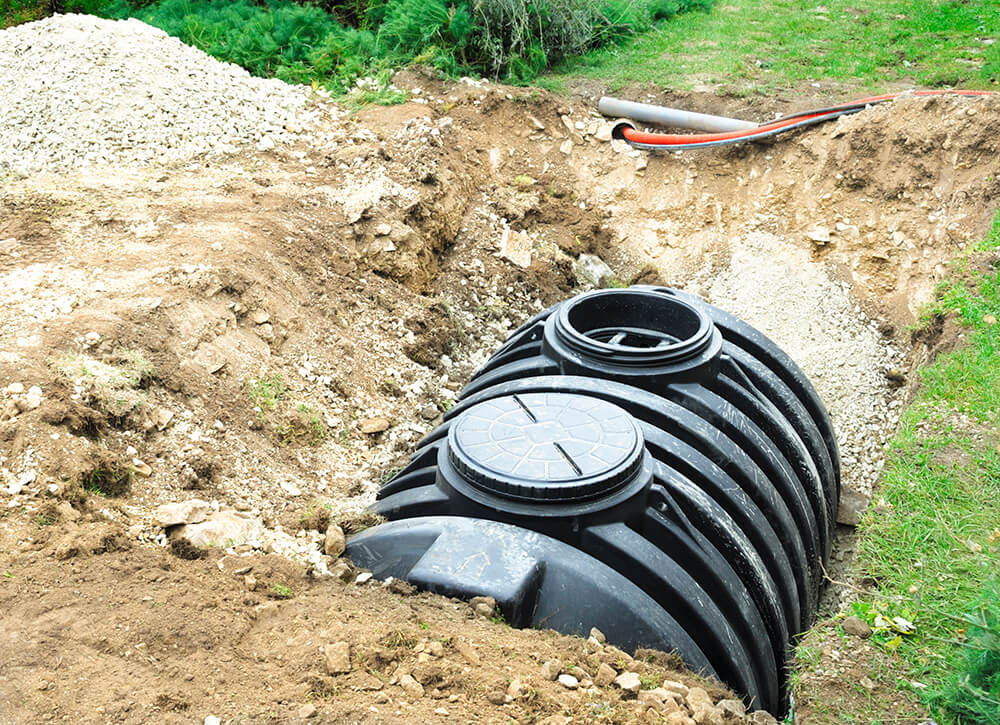
The time it takes to replace a septic tank depends on a few factors. Sometimes the fix is simple, but even if it’s not, here’s how long it takes to replace a septic tank.
A perc test for septic analyzes the absorption rate of the soil where a tank is going to be installed. Learn more about the test, cost, and passing grades.