






Ian Stewart
Portable Generator - Repair
Serving Ironton, OH and surrounding areas
Approved
Licensed electrician, plumbing experience, general knowledge.

*The Angi rating for Generator Install companies in Ironton, OH is a rating based on verified reviews from our community of homeowners who have used these pros to meet their Generator Install needs.
*The HomeAdvisor rating for Generator Install companies in Ironton, OH is a rating based on verified reviews from our community of homeowners who have used these pros to meet their Generator Install needs.
Last update on May 31, 2026
Serving Ironton, OH and surrounding areas
Approved
Licensed electrician, plumbing experience, general knowledge.

Serving Ironton, OH and surrounding areas
Approved
Free estimates
Emergency services offered
Warranties offered
I’m a reliable, detail-oriented contractor dedicated to delivering quality work that lasts. I take pride in doing the job right the first time, whether it’s a small repair or a full project. I believe in honest communication, fair pricing, and showing up when I say I will. My goal is simple: leave every customer satisfied and confident in the work done on their home.
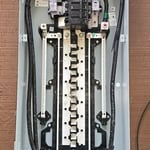
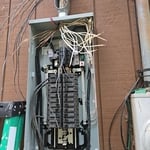
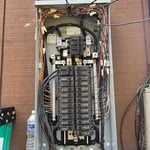
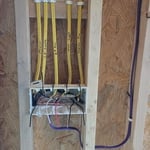
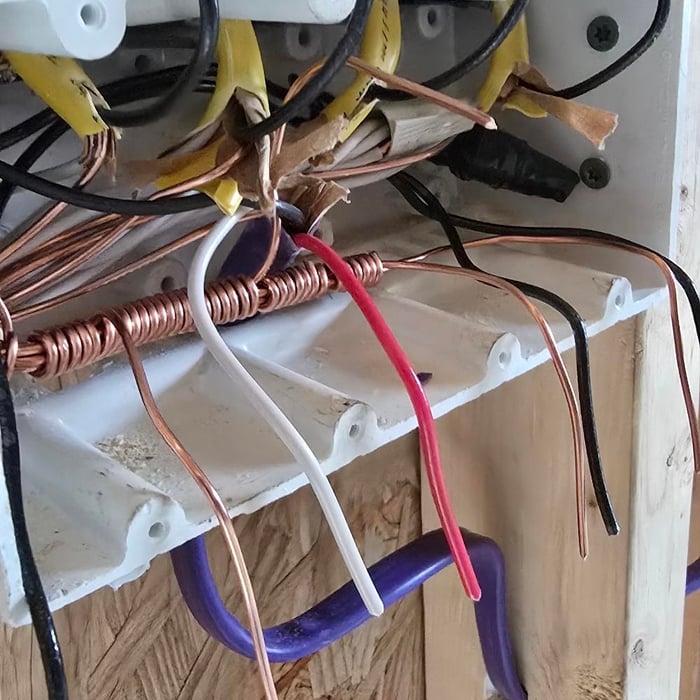
+2
Serving Ironton, OH and surrounding areas
In business since 2024
Free estimates
Emergency services offered
"Excellent customer service! Very thorough. Went beyond what was called for, and would certainly hire them again if needed! ??"

+3

Serving Ironton, OH and surrounding areas
In business since 2020
Free estimates
Emergency services offered
"I had a great wxperience-this company came out quickly and did a great job"


Serving Ironton, OH and surrounding areas
In business since 2013
Free estimates
Credit card accepted
"Honest Sincere and on time. Quality work."
Serving Ironton, OH and surrounding areas
In business since 1989
Free estimates
Credit card accepted
Paul and his team are dedicated to troubleshooting electrical problems and making them right for the homeowner or business. From panel upgrades to service work, Hurley Electrical Contracting, LLC has all of your electrical needs covered. They have someone available 24/7 for emergencies.

Serving Ironton, OH and surrounding areas
In business since 2020
Free estimates
Emergency services offered
"They answered all questions..had competitive pricing, and work efficient."
+20
Serving Ironton, OH and surrounding areas
In business since 2014
Free estimates
"They installed a mini-split for me in a timely manner. I have had no problems with it at all. They are a great reliable small town business."

Serving Ironton, OH and surrounding areas
Serving Ironton, OH and surrounding areas
In business since 1965
"This company gave a quick response to our request and did an outstanding job. We recommend their good work."
From average costs to expert advice, get all the answers you need to get your job done.

The average cost of a whole-house generator falls between $5,000 and $25,000. Keep reading to learn how much you can expect to spend.

The cost to install a generator transfer switch depends on several factors. Our guide will help you understand all of the costs.

Natural gas generators are whole-home standby generators that are connected to your home’s natural gas line. The average cost for a natural gas generator is $12,000.

Generators should give you peace of mind, but you’ll only get that if your installer knows what they’re doing. Learn how to hire a pro and what red flags to look for.

Whole home generator installations require a professional hand. Read this guide to help you decide which generator is best for your home.
Thinking about a generator installation? Learn about backup power options, costs to expect, and how to hire the right local pro to keep your home running.