
Top-rated landscapers.

Best landscapers near Ironton, OH

Enter your zip and get matched with up to 5 pros

Need a pro for your landscaping project in Ironton, OH?

Select your specific project to find the pro for you.

TRUSTED BY IRONTON, OH HOMEOWNERS

  • Average homeowner rating star icon4.6
    Average homeowner rating
  • Verified reviews icon29
    Verified landscaping services reviews

Top-Rated Landscapers in Ironton - Updated Nov 2026

Avatar for LM Landscaping & Land Management
LM Landscaping & Land Management
5.0(
2
)
Landscape - Minor Grading or ReslopingLandscape - Minor Grading or Resloping - For Business

Serving Ironton, OH and surrounding areas

Approved

In business since 2024

Free estimates

Credit card accepted

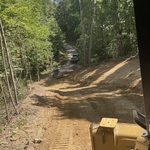
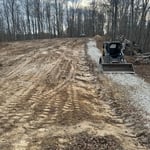
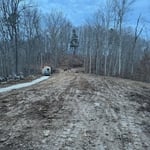
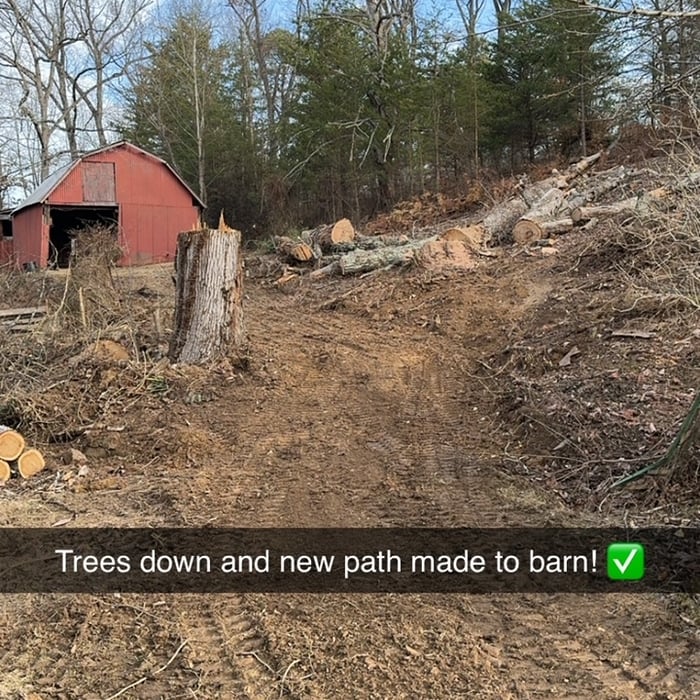
"Luke cleared my River bank by dock. Removed large tress and bushes. Graded the bank down to meet the river. I can walk down the bank now and put my kayaks in or just swim. He did an amazing job. He also leveled under my deck for my RV and put down gravel. He can do it all!! I would recommended him to anyone needing work done."
Response time12 hrs
Response rate88%
2 neighbors recently requested a quote
S&S Contracting Services, LLC
4.5(
9
)
Landscape - Minor Grading or ReslopingLandscape - Minor Grading or Resloping - For Business

Serving Ironton, OH and surrounding areas

Approved

In business since 2021

Free estimates

Emergency services offered

"Collin and his team were wonderful. They were flexible with scheduling and all 3 finished projects (fixing baseboards, replacing floor transitions, and installing bathroom tile floor) look great. Would definitely recommend them and will use them again when needed!"
Response time2 days
2 neighbors recently requested a quote
Recommended by100%of homeowners
Avatar for IERY EXCAVATION & CONSTRUCTION LLC
IERY EXCAVATION & CONSTRUCTION LLC
New to Angi
Landscape - Minor Grading or ReslopingLandscape - Soil, Sand, Mulch and Rock Delivery

Serving Ironton, OH and surrounding areas

Approved

In business since 2025

Free estimates

Credit card accepted

IERY EXCAVATION & CONSTRUCTION LLC is dedicated to providing our customers with the best quality and \ncraftsmanship. We are here to build relationships with our customers and communities and to provide \nour employees with a great place to work. We look forward to working with you!

...
Showing 1-10 of 158
Landscaping FAQs, answered by experts

As much as you might try to keep a healthy, nutrient-rich lawn, you still may notice signs of St. Augustine decline (SAD)—a viral disease that discolors your grass blades. St. Augustine decline looks like:

  • Discoloration in the leaves (chlorosis)—leaves appear yellow and splotchy

  • Decline in growth

  • Leaves turn black within 3 years

  • Grass appears less vibrant

  • Grass begins to thin

  • Root rot

  • Grass takes longer to recover

Late August, September, and mid-October are the ideal months for planting a young tree. However, the best time to plant a tree ultimately depends on when the weather transitions to fall-like conditions and eventually winter frost. As long as the hottest days of summer have passed and the ground hasn’t frozen yet, you can still successfully plant trees.

It depends. Smaller, younger trees take longer to mature, but they're more resilient, their roots don't get as damaged during transplanting, and they recover faster. Plus, they're much more affordable to plant, and it's possible to DIY the planting. 

On the other hand, mature trees produce fruit faster and provide more shade and privacy immediately. Ideally, a small or medium tree is the better choice if you can wait a few years for it to mature. But if you need immediate maturity, a larger tree is the only option.

You should plant trees at least 15 to 20 feet away from your house, and more if the tree will grow large and spread its limbs. Trees pose several dangers to houses when planted too close. They can litter the roof with leaves and branches, create fire hazards, make a ladder for larger pests, and even damage the foundation as their roots grow.

The best size rock for your landscaping depends on the design, as different boulders serve different purposes. If you want to group boulders to create a natural-looking cluster, you’ll need a range of sizes. Otherwise, here are some suggestions:

  • Small boulders (smaller than 12 inches across): Best for landscape edging and fire pits 

  • Medium boulders (12–24 inches): Best for retaining walls and water features

  • Large boulders (more than 24 inches): Best as standalone landscaping features, steps, or walkways.

Of course, you can mix and match sizes to create a unique display.

The Ironton, OH homeowners’ guide to landscaping services

From average costs to expert advice, get all the answers you need to get your job done.