




Get matched with top generator install pros in Grayson, KY
Top-rated generator install pros.

Need a pro for your generator install project in Grayson, KY?

Select your specific project to find the pro for you.

Find Generator install pros in Grayson

Avatar for Gleason's Home Repair
Gleason's Home Repair
New to Angi

Serving Grayson, KY and surrounding areas

Approved

Free estimates

Emergency services offered

Warranties offered

I’m a reliable, detail-oriented contractor dedicated to delivering quality work that lasts. I take pride in doing the job right the first time, whether it’s a small repair or a full project. I believe in honest communication, fair pricing, and showing up when I say I will. My goal is simple: leave every customer satisfied and confident in the work done on their home.

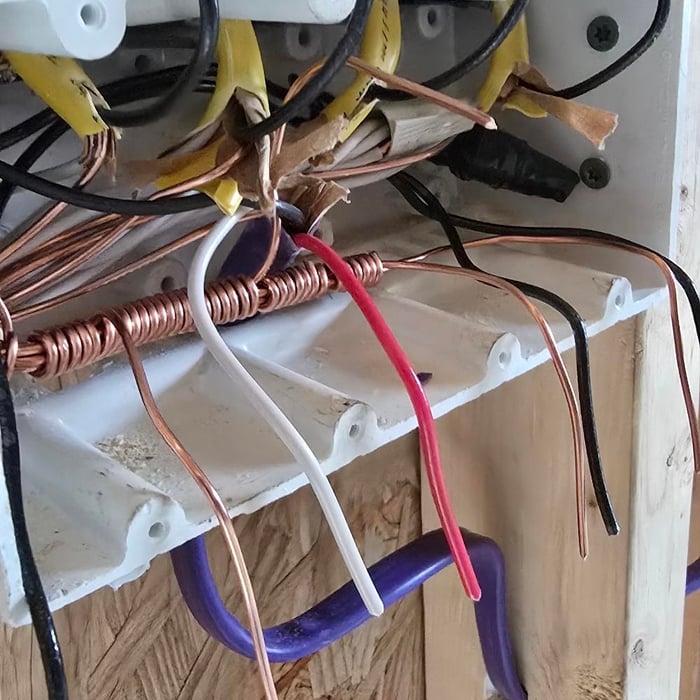
Breaker box upgrade
Breaker box upgrade
Breaker box upgrade
Addition
Addition

+2

1 neighbors recently requested a quote
Salyers Contracting, LLC
5.0(
1
)

Serving Grayson, KY and surrounding areas

In business since 2001

Free estimates

Offers commercial services

"The quality and precision of Charles' work was amazing throughout the project from begin to end. From the initial consultation to the end result, he walks us through the project and kept us informed to ensure our satisfaction along the way. His detail and meticulous work allowed for him to complete everything correctly the first time. I definitely will be contacting Salyers Contracting first for any home improvement projects in the future."
Recommended by100%of homeowners
Showing 1-10 of 12
Generator Install questions, answered by experts

Yes, in most municipalities, you will need a permit to install a permanent home generator, including emergency backup, partial-home, and whole-home models. Because these installations involve significant alterations to your home's electrical system and produce exhaust fumes, local governments often require a permit or inspection for safety purposes. A generator permit typically costs between $50 and $250, depending on your location. Your electrician or certified installer can usually handle the permitting process for you, but you will be responsible for the cost. It's a good practice to confirm with your installer that they will pull all necessary permits before work begins.

Homeowners can often access federal tax credits, such as the Investment Tax Credit (ITC), which covers a percentage of installation costs. Many states and utilities offer additional rebates, grants, or performance-based incentives. These programs can significantly lower your upfront investment. Check the Database of State Incentives for Renewables and Efficiency (DSIRE) or contact your local energy office for current offers.

Yes, in some locations, it is required by the National Electric Code (NEC) to have a transfer switch installed for electrical emergencies. In addition to following electrical code, generator transfer switches ensure your home is fully protected during a power outage. By switching the power from the main breaker to the generator breaker, you can seamlessly operate your HVAC, lights, appliances, devices, and more during an emergency. 

To determine the right size generator for your house, you should calculate the total wattage of the appliances and devices you want to power during an outage. List all essential items, note their start-up wattages, and add them together.

Here are some typical wattage requirements for common appliances:

  • Refrigerator: 600 watts

  • Large dehumidifier: 700 watts

  • Large window air conditioner: 1,400 watts

  • Water heater: 3,000 to 4,500 watts

  • Electric furnace: 5,000 to 25,000 watts

A 7,500-watt generator might be sufficient for essentials like a refrigerator, freezer, well pump, and lighting circuits. However, for high-demand items like a water heater or furnace, a whole-home generator is a better choice. A portable generator may be enough if you only need to power a few critical items.

While home square footage can offer a rough estimate, it is not always a reliable indicator. For reference, here are some typical generator sizes based on square footage:

  • 1,000 sq ft: 6–9 kW

  • 1,500 sq ft: 7–10 kW

  • 2,000 sq ft: 10–14 kW

  • 2,500 sq ft: 12–16 kW

  • 3,000 sq ft: 16–20 kW+

For the most accurate sizing, consult a professional who can calculate your home's peak and average power consumption and recommend the optimal generator.

You can determine what size generator you need for a transfer switch by matching the switch to the largest outlet on your generator. Larger generators can power up to 10 circuits, while most 5,000-watt generators can provide power to six circuits. So, if your generator’s largest outlet is 30 amps, you’ll need a 30-amp transfer switch.

The Grayson, KY homeowners’ guide to generator installs

From average costs to expert advice, get all the answers you need to get your job done.