





Top-rated generator install pros.

Get matched with top generator install pros in Greenup, KY

Enter your zip and get matched with up to 5 pros

Need a pro for your generator install project in Greenup, KY?

Select your specific project to find the pro for you.

Find Generator install pros in Greenup

Avatar for Gleason's Home Repair
Gleason's Home Repair
New to Angi

Serving Greenup, KY and surrounding areas

Approved

Free estimates

Emergency services offered

Warranties offered

I’m a reliable, detail-oriented contractor dedicated to delivering quality work that lasts. I take pride in doing the job right the first time, whether it’s a small repair or a full project. I believe in honest communication, fair pricing, and showing up when I say I will. My goal is simple: leave every customer satisfied and confident in the work done on their home.

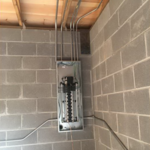
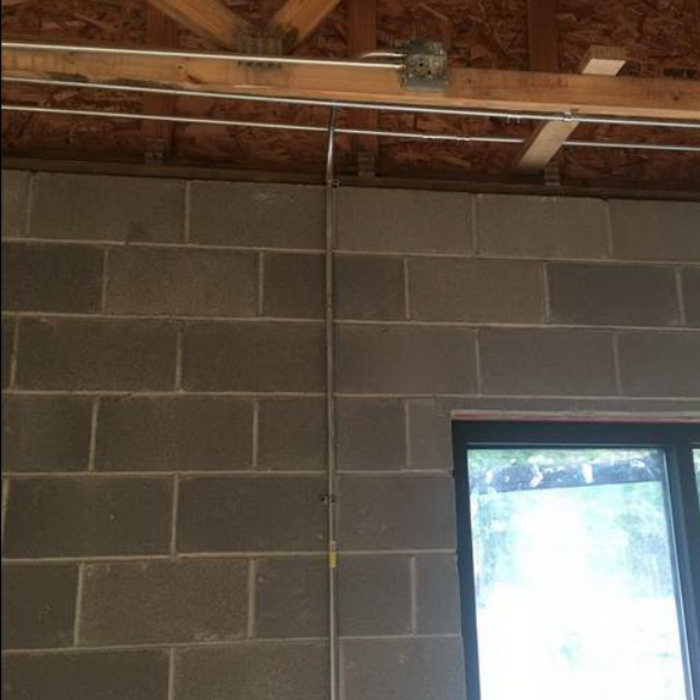
Breaker box upgrade
Breaker box upgrade
Breaker box upgrade
Addition
Addition

+2

1 neighbors recently requested a quote
Salyers Contracting, LLC
5.0(
1
)

Serving Greenup, KY and surrounding areas

In business since 2001

Free estimates

Offers commercial services

"The quality and precision of Charles' work was amazing throughout the project from begin to end. From the initial consultation to the end result, he walks us through the project and kept us informed to ensure our satisfaction along the way. His detail and meticulous work allowed for him to complete everything correctly the first time. I definitely will be contacting Salyers Contracting first for any home improvement projects in the future."
Recommended by100%of homeowners
Generator Install questions, answered by experts

Here’s what you can run with different wattages and types of generators:

Portable generator:

  • 2,000 watts can handle a large appliance like a freezer or refrigerator, plus a few smaller items like phones or computer chargers. 

  • 4,000 watts will keep two large appliances operating and a few smaller devices.

  • 8,000 watts should power most essential appliances and other devices, including a sump pump, well pump, or your dishwasher.

Partial to whole-house generator:

  • 20,000 watts and above will make it seem like your home’s power is still on.

As a safety measure, you should always turn off the main breaker while operating your generator’s backup breaker. In addition, you should also switch off all appliance breakers so you don't have a power surge when the main breaker turns back on. And finally, turning off the main breaker prevents back-feeding, which endangers utility workers with the risk of electrocution. Back-feeding could also destroy the electrical circuits of your neighbors if they use the same power network.

Generators are safe to use as long as they are installed and operated correctly according to the manufacturer's recommendations. The most critical safety tips are to never use a portable or fuel-powered generator inside an enclosed space due to the risk of lethal carbon monoxide poisoning; always operate it outdoors where fumes can dissipate away from your home. Additionally, never attempt to connect a generator to your home’s electrical panel yourself—hire a professional to ensure the setup meets safety standards. Finally, avoid overloading the generator by not connecting more appliances than it is rated for, as this can damage your equipment or cause a fire.

Sizing a generator is a careful process that requires calculating the electrical load of your entire house. You have to take into account every device you want to use and their wattage requirements, plus the wattage needed to start them, and look for a generator that can safely run all that at around 80% capacity.

In more practical terms, a small home can run on a 10,000-watt generator (and if you only want to power a few key appliances, much less than that). A mid-sized home may need something between 15,000 and 22,000 watts. Larger homes require 25,000 watts or more. 

In most cases, there are no tax credits available for home generators. However, that’s a general statement that applies to federal tax credits, so you might have access to state or local tax incentives. You can check the Database of State Incentives for Renewables & Efficiency (DSIRE) for more information about your area. If you hire a reliable home generator installer, they should also know if there are any state or local perks you can use to reduce your installation costs, including tax breaks and rebates.

The Greenup, KY homeowners’ guide to generator installs

From average costs to expert advice, get all the answers you need to get your job done.