






Top-rated bird control service pros.

Get matched with top bird control service pros in Houston, OH

Enter your zip and get matched with up to 5 pros

Need a pro for your bird control service project in Houston, OH?

Select your specific project to find the pro for you.

TRUSTED BY HOUSTON, OH HOMEOWNERS

  • Average homeowner rating star icon4.9
    Average homeowner rating
  • Verified reviews icon42
    Verified bird control services reviews

Find Bird control service pros in Houston

Avatar for The Fireplace Doctor
The Fireplace Doctor
3.9(
1,190
)
Pest Control - Birds and BatsPest Control - Birds and Bats - For Business

Serving Houston, OH and surrounding areas

In business since 1993

Emergency services offered

Credit card accepted

"They did a great job. They solved all the problems I had with the chimney and it’s been working perfectly ever since. They also fixed a problem on the roof around the chimney; they replaced the wood around the chimney with a material that would never rot, so they fixed it even better than it was before. It took them a couple of days to do the work. They took care of all the cleanup as well. We've been real happy with them."
Recommended by78%of homeowners
Bird Control questions, answered by experts

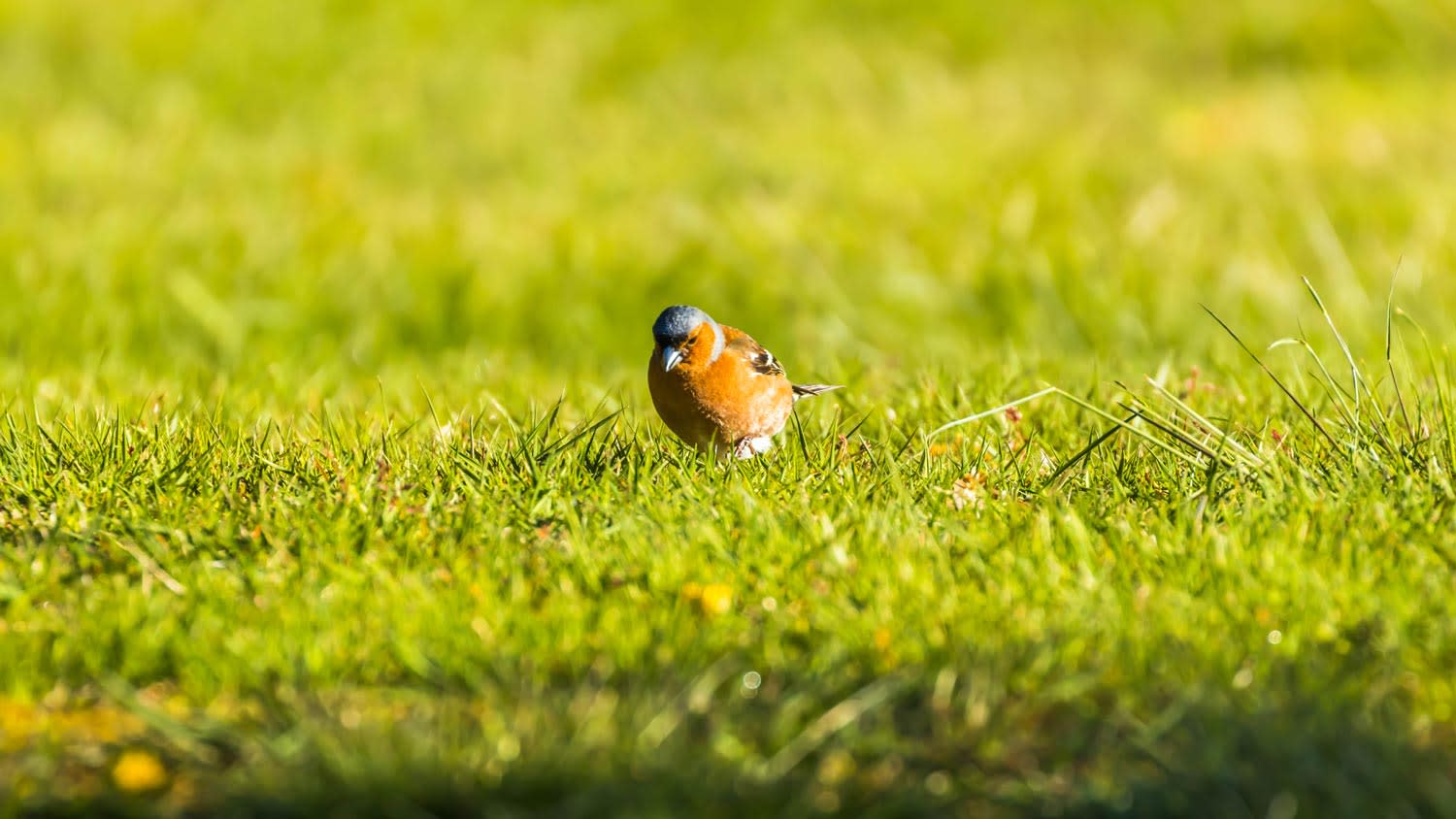
Birds eat grass seed for one simple reason—it’s delicious! The seeds are rich in nutrients such as carbohydrates, proteins, and fats. Seeds are also high in energy, so humans eat trail mix loaded with seeds and nuts for long-distance activities. Grass seed, when unprotected, is also exceptionally easy to access.

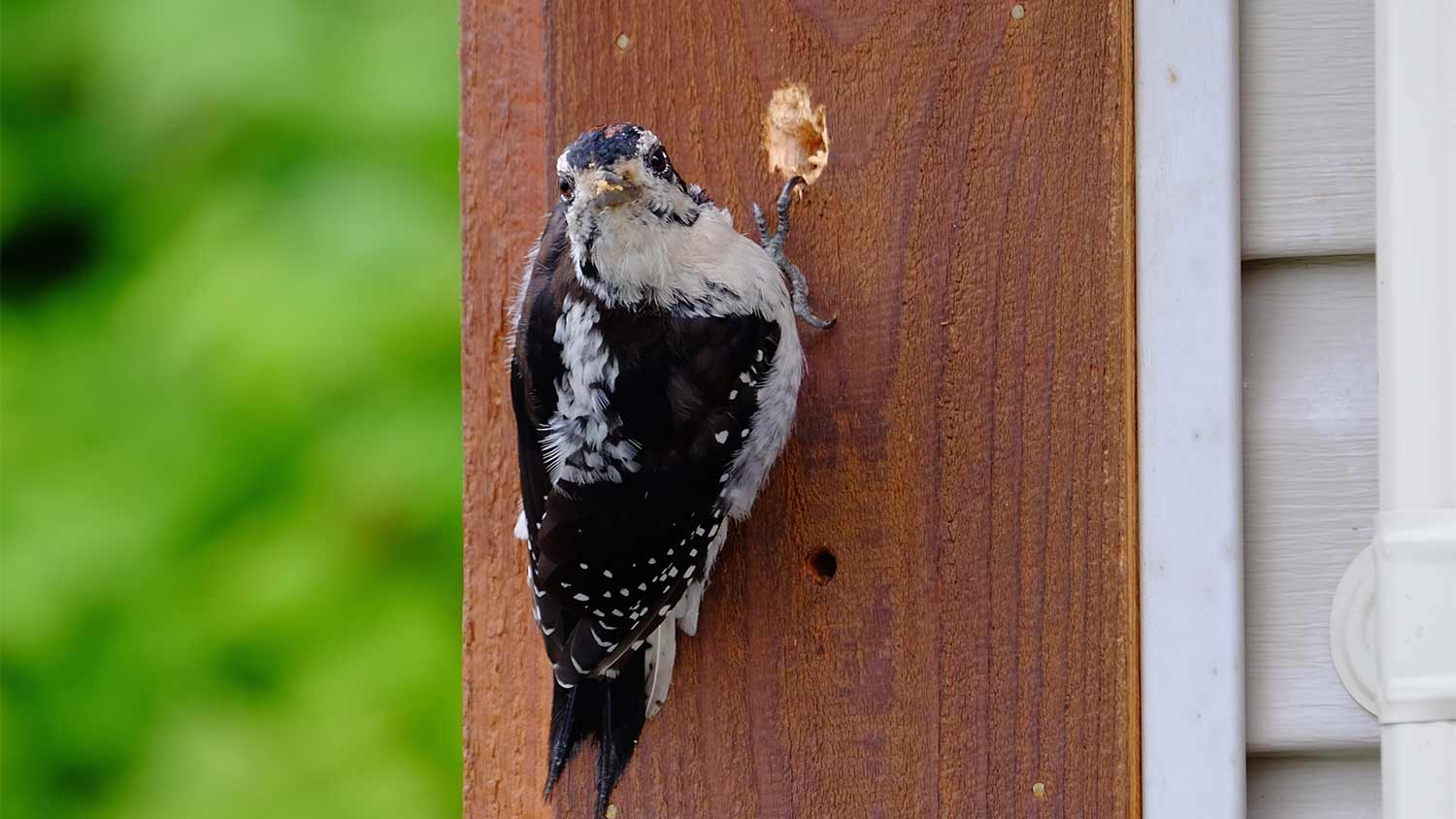
When woodpeckers start banging on your walls or roof, they are probably looking for insects to eat, storing nuts for winter, drilling a hole to make a nest, or communicating with other birds to establish territory or find a mate.

The size of the hole can help determine the reason for the pecking. Small irregular holes are a result of insect hunts. Acorn holes are more consistently sized and often fitted with a nut in the middle. Nest holes are large and have rounded edges. If the bird is pecking to mark its territory or attract a mate, it may leave dents rather than holes, and the noise will stop when the mating season starts in spring.

Keeping birds away from a porch can involve a combination of strategies. Start with cleaning your porch. Remove food, debris, and plants that may be attracting feathered friends. Afterward, install physical deterrents like netting or spikes. Next, top off your porch with a decoy or two—and owl or hawk works. When wondering how to keep birds off the porch, it is always best to use humane efforts that won't harm winged creatures or the environment.

Some birds of prey, like owls, hunt at night. Hawks are diurnal and need good light to see their prey. You could see them circling anytime from dawn to dusk. Species like the common red-tailed hawk are most active in the early morning and late evening when their prey is also typically on the go.

Fake owls are a common goose deterrent decoy and one of the most humane ways to scare away geese. Unfortunately, some geese are wise to fake predators. Decoys can be more effective if you move them around frequently or purchase ones with motion features. Decoys that move in the wind are also more effective than stationary decoys.

The Houston, OH homeowners’ guide to bird control services

From average costs to expert advice, get all the answers you need to get your job done.