




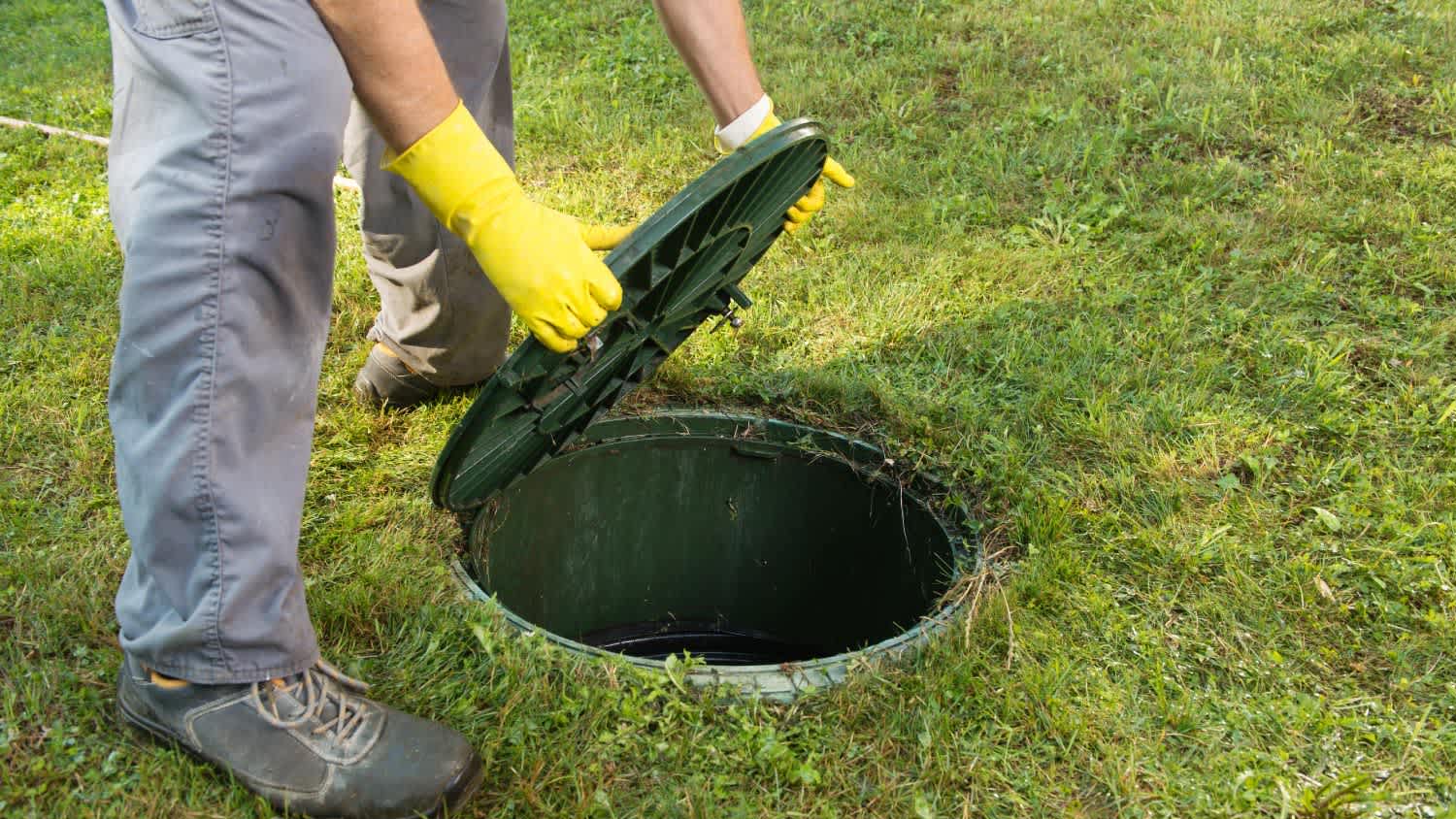
Top-rated percolation testing pros.

Get matched with top percolation testing pros in Haskins, OH

Enter your zip and get matched with up to 5 pros

Need a pro for your percolation testing project in Haskins, OH?

Select your specific project to find the pro for you.

TRUSTED BY HASKINS, OH HOMEOWNERS

  • Average homeowner rating star icon4.6
    Average homeowner rating
  • Verified reviews icon673
    Verified percolation testing services reviews

Find Percolation testing pros in Haskins

No results for Percolation testing pro in

Try adjusting your search criteria.
Percolation Tests questions, answered by experts

Epoxying over asbestos tiles is generally considered a safe option when done correctly. Epoxy acts as a sealant, encapsulating the asbestos tiles and preventing the release of asbestos fibers into the air. The key is ensuring that the asbestos tiles are in good condition, firmly adhered to the substrate, and not damaged or deteriorating. This method is only appropriate for tiles that are undamaged and securely in place. If the asbestos tiles are already loose, damaged, or deteriorating, encapsulating them with epoxy may not be a sufficient solution, as it might not address the potential for ongoing asbestos exposure.

Asbestos was commonly used in cloth wiring, but not all types of cloth wiring contain it. The age, condition, and appearance of the wiring can provide clues as to whether asbestos is present or not, but the only way to know for sure if the wiring has asbestos is to have it tested.

If you have an older electrical system with fraying wires and other signs of damage, removal  may be the best course of action. When asbestos begins to break down, it's more likely to become airborne, increasing the risk of health issues when it's inhaled.

However, if the system is in good condition and doesn't have visible signs of wear or damage, leaving it alone may be the safest course of action. An asbestos abatement and removal professional can help you determine the best way to proceed.

Asbestos is commonly found in certain older homes, depending on the time period in which they were built. Asbestos use in home construction began in the 1920s and peaked after World War II before being limited by legislation in the ’70s, so a house constructed in 1880 is unlikely to contain asbestos, while one built in 1950 is much more likely to. Research a home’s history to determine the time period when it was built and any renovations made since.

Whether or not to buy a home containing asbestos is ultimately a decision for the homebuyer, and there are several things to consider. When in good condition and contained, asbestos is unlikely to present a health risk—it’s when those tiny fibers are loose and airborne that they become a problem. Consider any renovations you plan on doing to the home that could disturb existing asbestos and the cost of removal. If an inspection finds asbestos in a home on the market, you could negotiate with the seller for a lower price, though this isn’t a sure thing.

The Haskins, OH homeowners’ guide to percolation testing services

From average costs to expert advice, get all the answers you need to get your job done.