"Michael is very intelligent and good at helping you get a better understanding of your home's electricity. Him and his father are in the ball and good workers for the price. Would recommend! We'll be using them for all of our electric needs in the future!"
"Jake performed various electrical projects in my house. He was prompt, efficient and knowledgeable. I would recommend Jake to anyone looking for help with anything electrical!!"
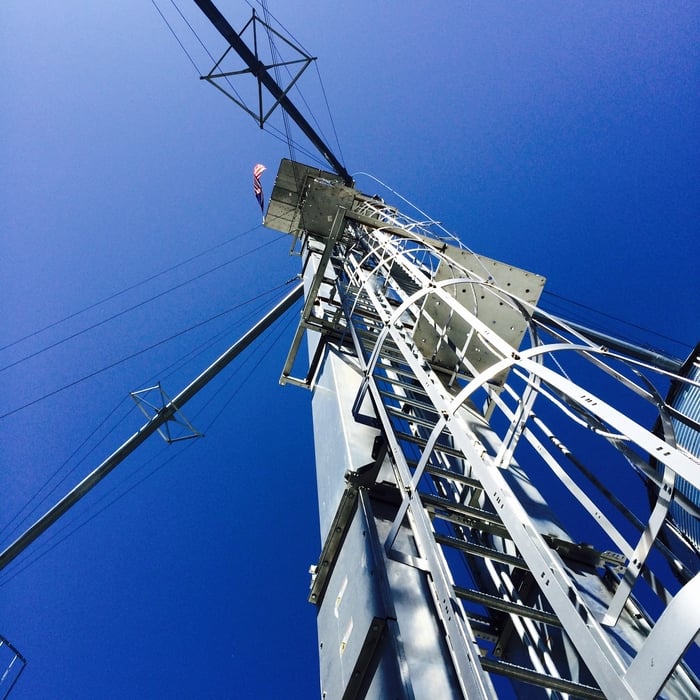
"I was pleased with the installation of the lightning rods--communication was great and the work was done quickly. What I wasn't happy with is he quoted me a price that was less then my actual bill was BUT the price was still less then two other contractors bids."
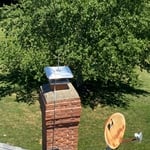
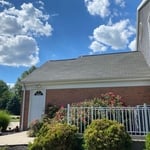
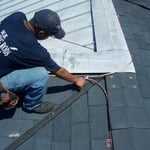
"The install was scheduled and completed quickly. The lightning rods and cable look neat and tidy along the roof. Mr. Hamilton was friendly and efficient."
"Pro showed up on time to replace some 2 prong outlets to 3 prong outlets and completed the Job in a efficient and timely manor, I am planning on hiring them to install some ceiling fans and to add some outlets outside. I was very pleased withe work done."
"WB Lightning is focused on customer service. The company provided good communication and responded very quickly to my inquiry for a quote. WB Lightning is a respected company, I had another electrical service provider tell me I made a good choice when I hired WB Lightning Rods."
"The installation was made sooner than expected which was nice. The men who came were knowledgeable and worked efficiently even with an older electrical system. The men were pleasant, professional and willing to explain what we wanted to know.."
"It went great, this is a unique service, for DIY-ers. My electric dryer wouldn’t heat, so I went on line and diagnosed the problem and ordered the parts. I also watched several how to videos, but none of them matched my dryer. Finally went on Angie’s list and it matched me up with Tin Lizzee which is a chat service to help you through your repair. The technician I talked with was polite, professional, and knowledgeable. I did get stuck during the repair and they called me on my cell and talked me through what I needed to do. I know I saved a lot of money by not having an appliance repair person come to my house with the mark up on parts and labor rates per hour I believe I saved at least half of the cost, if not more from ordering on line and chatting and talking to the Tin Lizzee technician, it was $30 well spent."
Pendant lights are very versatile, and you can almost always find one with your preferred style that accepts your preferred bulb. Today, many fixtures use LED bulbs, though it’s still completely possible to find one that uses halogen, fluorescent, or even old-school incandescent bulbs. The manual that comes with your light should tell what types of bulbs you can use with it.
The major difference between a GFCI breaker and an AFCI breaker is that a GFCI breaker protects against fatal shocks while an AFCI breaker prevent electrical fires. A GFCI breaker senses when the electrical current to ground is overloaded and trips to prevent major accidents or injuries. AFCI breakers trip when it detects dangerous electrical arcing.
Yes, a whole-house surge protector needs a designated breaker in your electrical panel. You will need to choose a double pole breaker that has two wire terminals so that your surge protector can connect to the breaker. This breaker needs two breaker slots inside of your panel. If you do not have room, then you will either need to adjust some of the existing breakers in the panel box or hire an electrician to install a subpanel.
No, not all thermostats require a C-wire. Older manual and programmable thermostats typically do not need one. While many smart thermostats do require a C-wire to function correctly, some models can operate without one, often at the expense of certain features. A C-wire provides a constant source of power, which enables the thermostat to stay connected to Wi-Fi and keep its display screen lit on-demand. If you are upgrading from an older thermostat to a smart model that requires a C-wire, you may need to install one first for it to work as intended.
Just as fluorescent lights are more efficient than incandescent lights, LED lights are more efficient to run than fluorescent lights. The specifics will vary from product to product, but LED lights are typically twice as efficient as equivalent fluorescent lights. A 13-watt CFL bulb can replace a 60-watt incandescent bulb, but a 6- to 8-watt LED bulb can offer the same amount of brightness. Fluorescent lights offer about 50 lumens per watt, while LEDs offer about 100 lumens per watt. LED light bulbs typically last two to three times as long as CFL bulbs, too.
The Gibsonburg, OH homeowners’ guide to electrical services
From average costs to expert advice, get all the answers you need to get your job done.
Before you hire a licensed electrical contractor, you should learn the cost to run electric from the road to your house so you can budget for the project.
Whether you’re shopping for a new home or simply doing a safety check on your current place, learn what factors influence an electrical inspection cost.
Is it time to upgrade your electrical panel? For the sake of safety, find out sooner than later by exploring our top signs that it’s time for an upgrade.