"They were very knowledgeable about all my electrical issues they were also very professional and their rates are very reasonable I plan on hiring them for a few more projects and definitely keep them in mind for future electrical repairs"
"The work was done well and he did more than he was contracted to do. He was helped out solving construction issues and was prompt in completing the work. He completed work on my rental properties when electrical problems arose. I would recommend this electrical company for any electrical projects."
"He was super nice, friendly, helpful, and patient. He showed me some things and taught me a few things; he was just the perfect guy to come fix the electrical problem, the best."
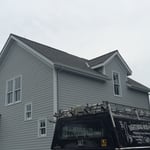
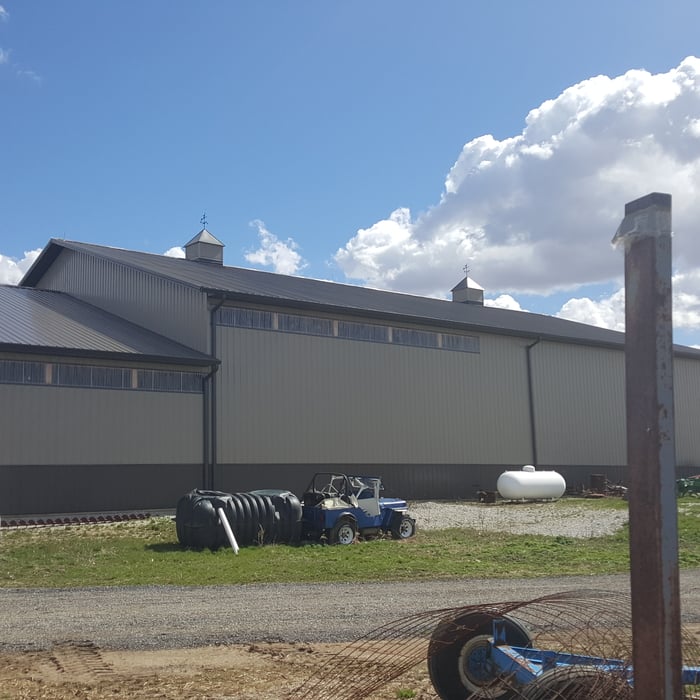
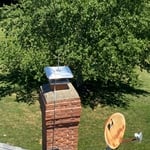
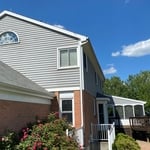
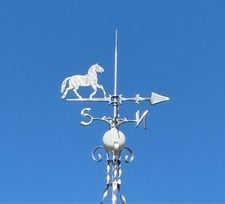
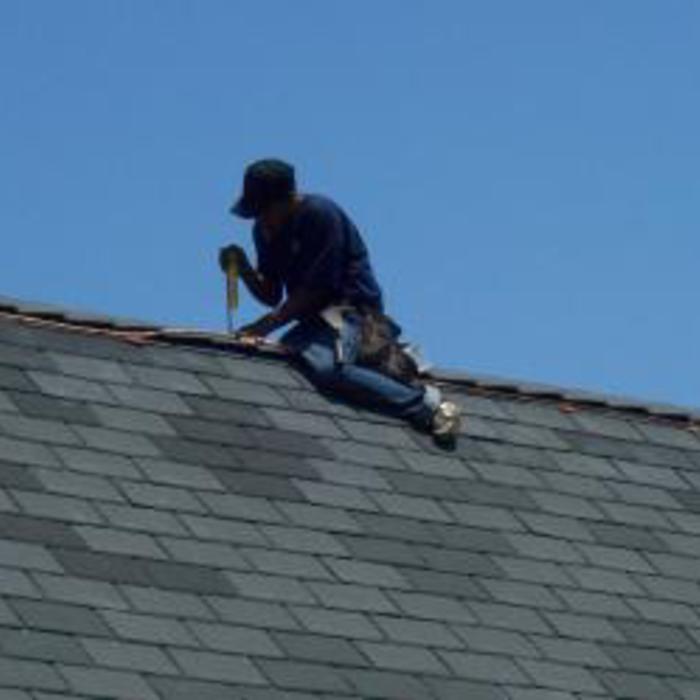
"Mr. Jim Gorman who is the owner of the business called me back within a half hour of my email posting. He visited my home 3 days later, inspected things, and told me what the approximate cost would be. He and his helper then installed an entire lightning protection system on both my house and a back garage/storage area. He did things exactly as I wanted in every way. Also threw in a free weathervane which increased the beauty of my home. I would have no objection to recommending this gentleman and his company to anyone who is in need of a competently installed lightning protection system for their home/property. MID-AMERICA LIGHTNING RODS is one fine company run by a man who cares about doing good work according to the latest safety codes etc. Having lost my previous retirement home to lightning, it was very important to me to get this job done and quickly because the thunderstorm season is upon us and with the climate change, those storms are very wicked, especially here out in the country where i live!"


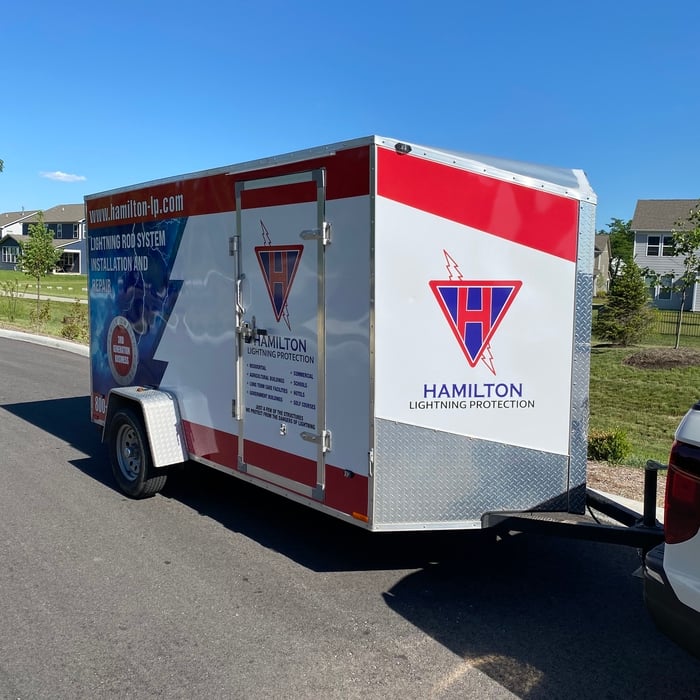
With more than 30 yrs of experience, Hamilton Lightning Protection is dedicated to providing our customers with the best quality at a great price. We are here to build relationships with our customers and communities and to provide our employees with a great place to work. We look forward to working with you!
"WB Lightning Rods did an excellent job installing lightening rods on our home. The owner stayed onsite the entire time to supervise the work. He took extra care to plan the rod and cable placement to ensure the proper protection and retain the aesthetics of our home. His crew were knowledgeable, polite, neat and efficient. We could not be more pleased with the results."
Yes. You should always turn off the power to the work area before beginning, use a voltage tester to ensure it’s off, and wear protective gear, such as insulated gloves or safety glasses, to prevent risk of injury. Proper wiring and grounding techniques are also necessary to make sure the job is done right the first time and won’t harm any future homeowners.
Choosing between 12- or 14-gauge wire for your house depends on the electrical requirements of the circuit. A 12-gauge wire is thicker and can handle more power, making it better suited for devices such as kitchen appliances, air conditioning units, or electric heaters.
A 14-gauge wire is thinner and can handle less electrical current than a 12-gauge wire. It's ideal for circuits with lower power requirements, such as lighting or general-purpose outlets in bedrooms or living rooms.
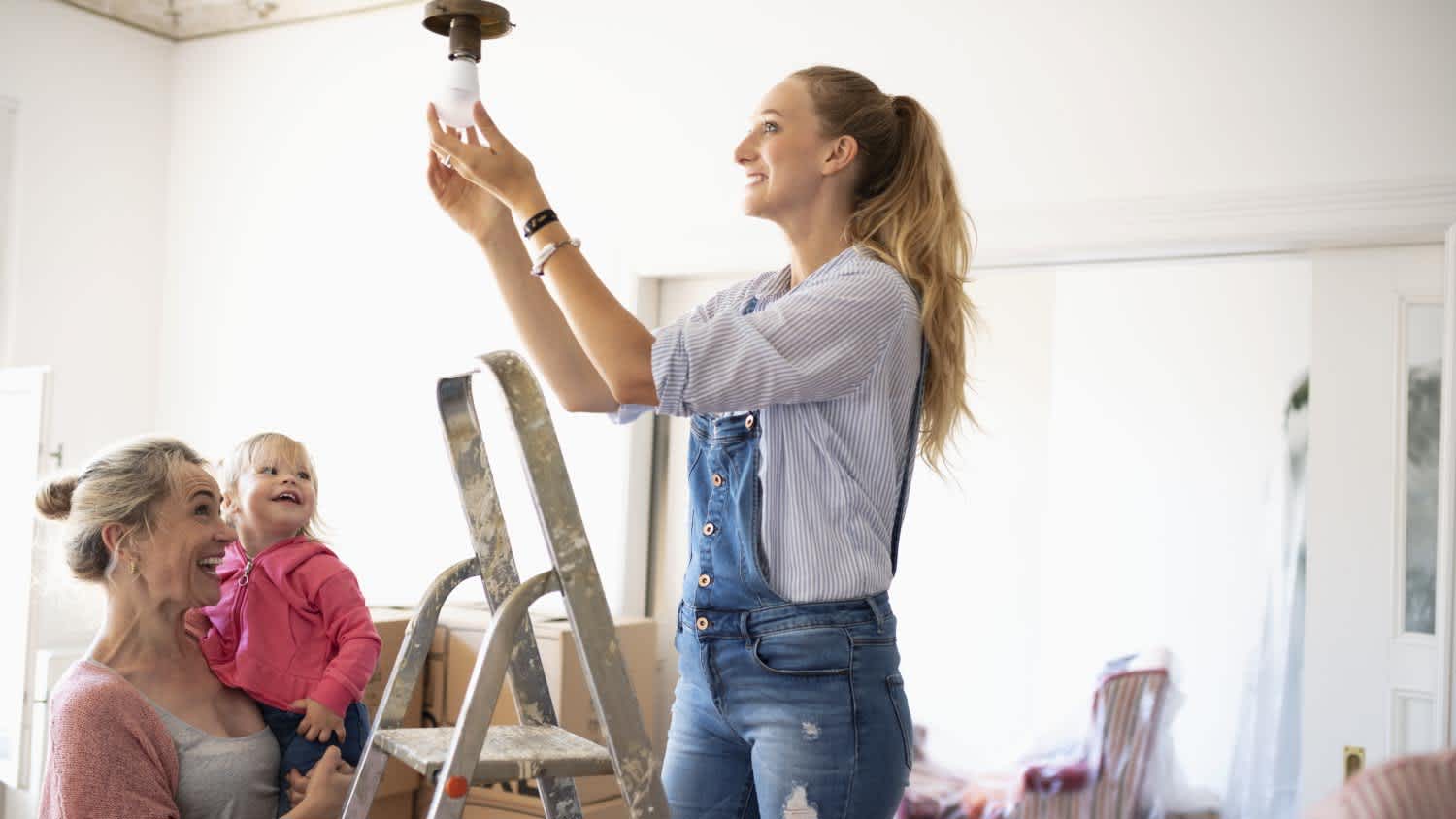
Pendant lights are very versatile, and you can almost always find one with your preferred style that accepts your preferred bulb. Today, many fixtures use LED bulbs, though it’s still completely possible to find one that uses halogen, fluorescent, or even old-school incandescent bulbs. The manual that comes with your light should tell what types of bulbs you can use with it.
Natural gas and electricity rates vary significantly based on location, and pricing can change over time, too. It’s possible that in locations where natural gas is particularly inexpensive, it will cost less than grid-based electricity will. However, you should also factor in the generator’s initial costs and maintenance needs, as well as its noise level and if it can comfortably power all your home appliances.
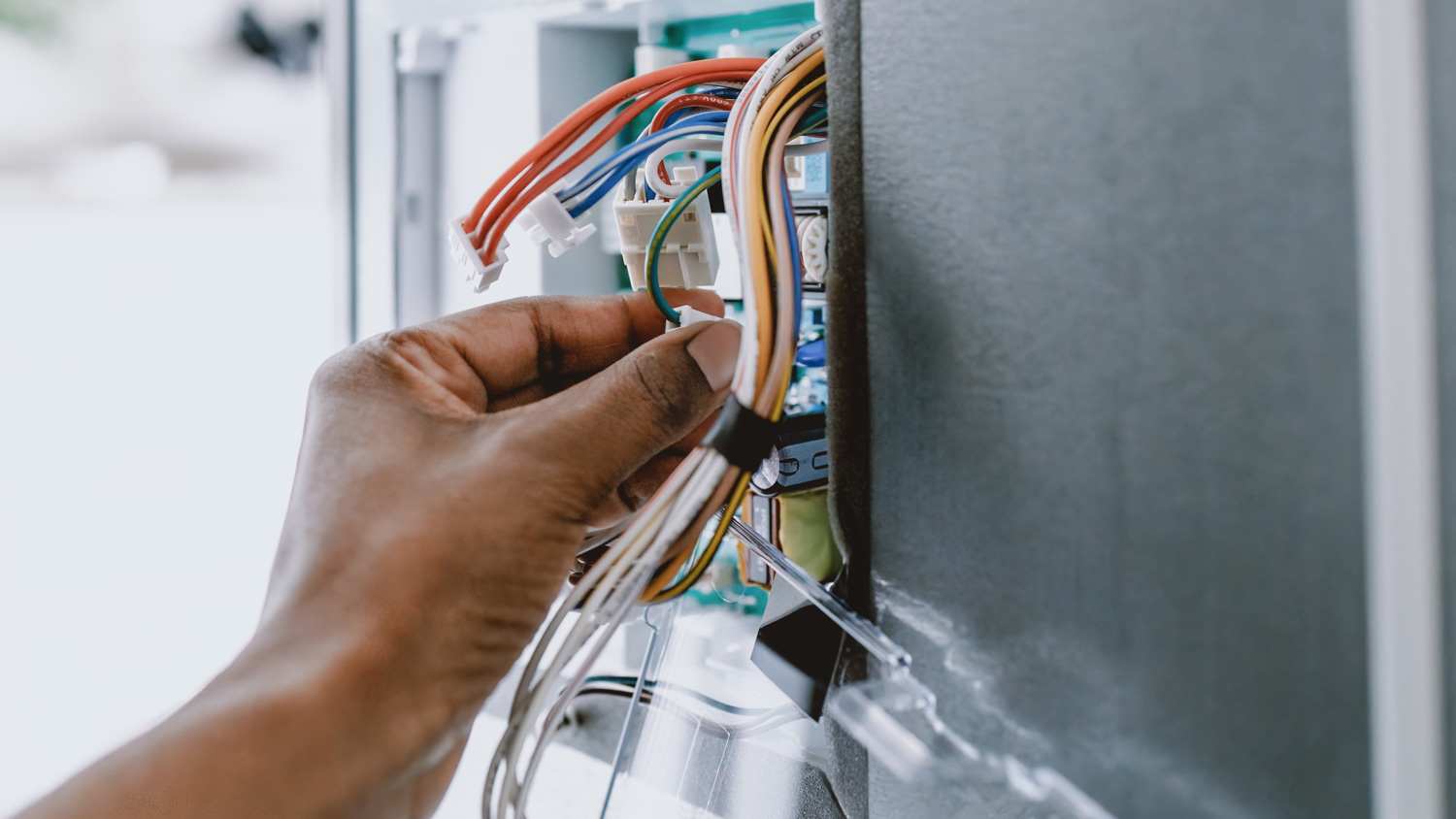
Yes, blue wires can be hot wires in the U.S. However, they are less common in residential properties than red and black hot wires. Blue wires are typically used as traveler wires in three-way and four-way switches, as well as ceiling fans. They allow fixtures to be controlled by multiple switches, like when there are switches at the top and bottom of a staircase for the same light.
The Waterville, OH homeowners’ guide to electrical services
From average costs to expert advice, get all the answers you need to get your job done.
Before you hire a licensed electrical contractor, you should learn the cost to run electric from the road to your house so you can budget for the project.
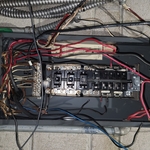
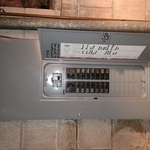
Is it time to upgrade your electrical panel? For the sake of safety, find out sooner than later by exploring our top signs that it’s time for an upgrade.