




Top-rated masons.

Best masons near Frankfort, OH

Enter your zip and get matched with up to 5 pros

Need a pro for your masonry work project in Frankfort, OH?

Select your specific project to find the pro for you.

TRUSTED BY FRANKFORT, OH HOMEOWNERS

  • Average homeowner rating star icon3.7
    Average homeowner rating
  • Verified reviews icon33
    Verified masonry services reviews

Top-Rated Masons in Frankfort - Updated Nov 2026

Avatar for Hastings And Sons, LLC
Hastings And Sons, LLC
3.9(
118
)
Retaining Wall - Install

Serving Frankfort, OH and surrounding areas

Approved

In business since 2008

Free estimates

Credit card accepted

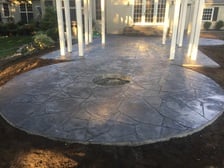
"Enjoyed working with this company. My new patio is amazing and Mason was very helpful and friendly to work with. My only issue was that they didn't let me know when they would be working and when they wouldn't; I had to ask."
Response time6 hrs
Response rate90%
7 neighbors recently requested a quote
Avatar for Reed's Spray Foam Insulation, Inc. (Belfry)
Reed's Spray Foam Insulation, Inc. (Belfry)
4.4(
75
)
Foundation, Basement or Crawlspace - Waterproofing / EncapsulationConcrete Foundation - RaiseConcrete Foundation - Repair+2 more

Serving Frankfort, OH and surrounding areas

Approved

In business since 2008

Free estimates

Warranties offered

"Reeds reinsulated our attic of 70 years. The former insulation had settled well below the rafters. The work crew vacuumed out the old, sealed around all openings to lights, fans, etc and then blew brand new fiberglass insulation to knee depth. We now have lofty, R-40 rated protection in a 2600 sq' house that heats evenly through out. Reeds will return to encapsulate our crawl space in one month!"
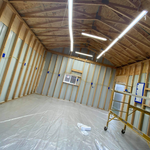
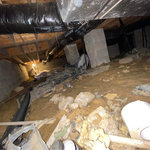
Work in progress-Repairs
Work in progress-cleaning
Finished Product
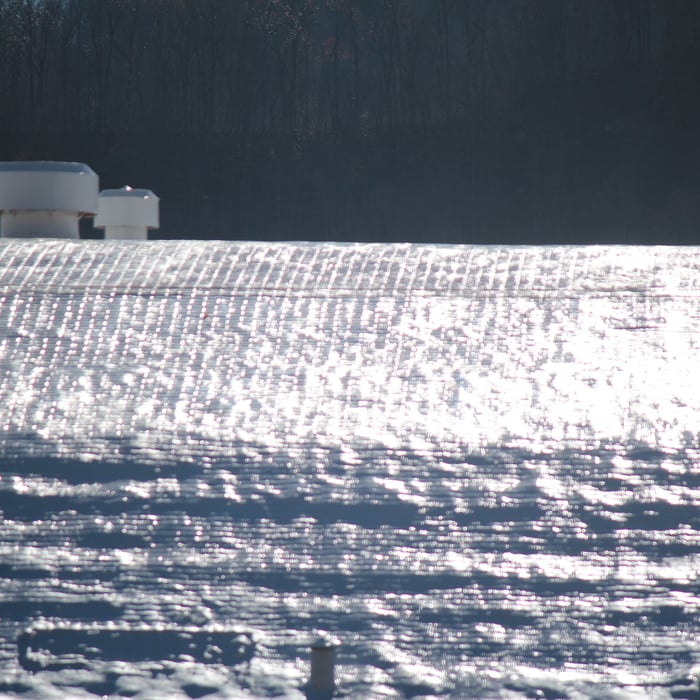
Re-cover, don't re-roof
Roof Coating

+40

Response time1 day
348 neighbors recently requested a quote
Recommended by87%of homeowners
...
Showing 1-10 of 145
Masonry FAQs, answered by experts

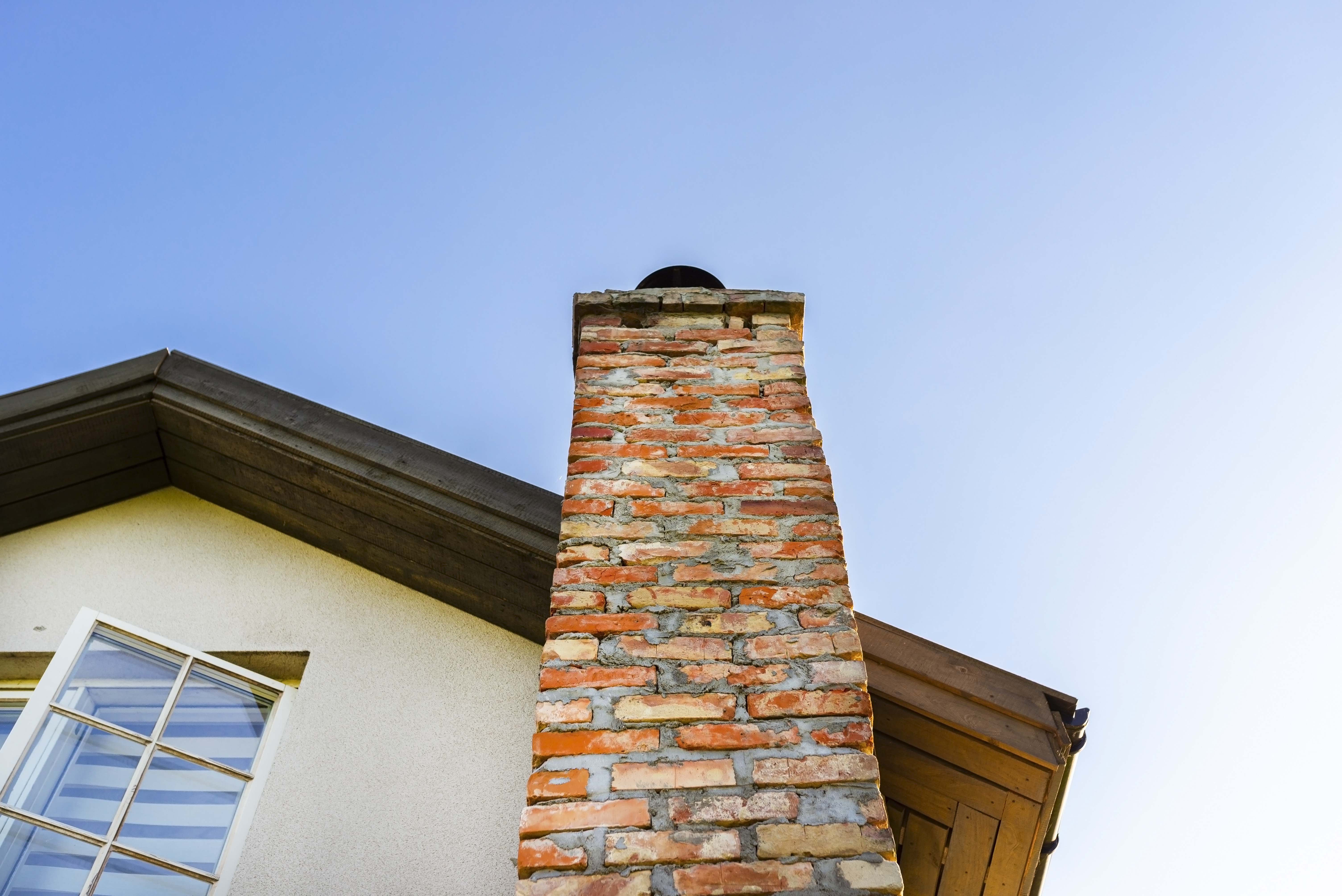
While painting can certainly change the look of a chimney, you should think twice about giving your brick chimney the old landlord special.

Painting brick is porous, meaning it’s full of tiny holes that can soak up moisture. Those holes also allow it to dry, though. So, when you paint it, you trap any moisture inside, providing an opportunity for mold, mildew, and water damage.

Paint also shows wear faster than naked brick. This means that once you paint a brick surface, you’ll have to keep painting it to maintain a clean look. A paint job is also harder to undo on brick because of its porous nature. Once you paint it, it’s hard to go back without some serious power washing—another added cost.

If your old bricks are in decent condition and you have the space to store them where they’ll be protected from the elements, keeping old bricks is often worthwhile. You’d spend anywhere from $70 to a few hundred dollars to have them removed from your property, in which case you won’t be able to use them for future projects. Holding on to old bricks in good condition means you can use them later for other DIY projects, potentially saving yourself some money on disposal and new materials down the road.

No, you don’t need to soak the brick before cutting it by hand. In fact, cutting a wet brick can make it harder to see your score lines and may cause the chisel to slip. Soaking is sometimes used with power tools to reduce dust, but for hand-cutting, it’s best to work with dry bricks for better control and visibility.

Yes, you can limewash surfaces other than brick. Plaster, stone, stucco, and concrete can all also be limewashed. Any porous surface that will absorb the wash is a good candidate for limewash, although it won’t help much with waterproofing. If you choose to limewash over paint, you’ll need to prep before applying it to avoid a powdery, chalky finish. Shiny surfaces like metal or glass can’t absorb limewash, so it’s not suited for these.

When painting brick, each application method has distinct advantages and disadvantages. Spraying is significantly faster but may not penetrate deeply beyond the surface layer. Rolling is effective for working paint into the brick's texture but can be less effective on mortar joints. If you opt for a roller, choose a thick nap of at least a half-inch to ensure paint gets into all the crevices for even coverage. Using a brush is generally not recommended as it is very time-consuming and provides poor surface penetration. Ultimately, a combination of spraying followed by back-rolling is often the best strategy for a durable and even finish.

The Frankfort, OH homeowners’ guide to masonry services

From average costs to expert advice, get all the answers you need to get your job done.