



Top-rated arborists.

Best arborists near Fayetteville, OH

Enter your zip and get matched with up to 5 pros

Need a pro for your arboricultural service project in Fayetteville, OH?

Select your specific project to find the pro for you.

TRUSTED BY FAYETTEVILLE, OH HOMEOWNERS

  • Average homeowner rating star icon4.4
    Average homeowner rating
  • Verified reviews icon216
    Verified arboricultural services reviews

Top-Rated Arborists in Fayetteville - Updated Nov 2026

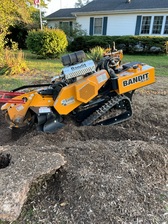
Quality Stump Removal
5.0(
32
)
Tree Stump - Remove

Serving Fayetteville, OH and surrounding areas

Approved

In business since 2015

Free estimates

Customers say: Quick response

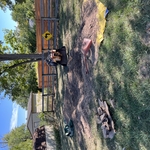
"Doug did a great job removing 3 stumps in our yard after the storm. We compared to other companies, and he was the most prompt and reasonable in giving the estimate. He is also the most knowledgeable. We got a quote right away and scheduled it for the following week. Our yard looks so much better!"
Homeowner
Homeowner
Homeowner
Homeowner
Homeowner

+1

Response time5 hrs
Response rate98%
3 neighbors recently requested a quote
Avatar for BSP Corp
BSP Corp
5.0(
1
)
Tree TrimmingTree RemovalTree Removal - For Business+3 more

Serving Fayetteville, OH and surrounding areas

Approved

Free estimates

Emergency services offered

Small jobs welcome

"Kenny was excellent!! I hired him to remove the bathroom demolition debris. He was very nice and polite. He responded right away to my request. The price was the best I got from different companies. He got the job done in few minutes and left the area complete clean. I 100% recommend him"
Tree Removal
Tree Removal
Tree Removal
Tree Removal
Tree Removal

+16

18 neighbors recently requested a quote
...
Showing 1-10 of 118
Arborists FAQs, answered by experts

After a big storm, you may not be sure if a tree was struck or not. Look for the telltale long scars, like strips or gouges in the bark of the tree, running in sometimes jagged lines down the length of the trunk. These scars will often show vulnerable living wood inside the tree. It’s also common to see scorched or wilted leaves on the side or top of the tree where lightning struck.

It is possible to cut down a tree on your property yourself, but it is generally not recommended unless specific conditions are met. You should only consider this project if the tree is small (e.g., under 4-5 inches in diameter and short enough that you don't need a ladder to reach the branches), and you are experienced in handling a chainsaw. The tree must also be located far from any power lines, fences, homes, or other structures. Even for small trees, the work can be dangerous, and it's always advisable to have a spotter to ensure the tree falls correctly and no branches fall on you.

For any tree that is large, requires a ladder to access, or is near electrical lines or structures, you should always hire a professional. Attempting to remove a large tree yourself is extremely dangerous, poses a risk of serious injury, and could result in significant damage to your property.

Before any tree removal, it's also important to check your local and state regulations to ensure the tree is not historic or otherwise protected by your city.

Often, it’s the homeowner’s responsibility to handle the aftermath when a neighbor’s tree falls on their property. But if a tree has been obviously dead for a significant period of time and caused damage when it fell, a case can be made that the owner should have removed it, especially if the neighbor wrote you a letter about the tree or asked you to take it down. This can be grounds for a successful lawsuit in claims court and is a good reason to always pay attention to your trees and remove dead trees before they fall.

Deciduous shade trees (the type of trees whose leaves fall off in autumn) need to be pruned in late winter—between February and March. That’s because it’s easier to find and remove sick or dead branches when no leaves are present. And wounds close and heal faster in colder temperatures so pruning them at this time also makes them less prone to infection.

Tree removal can be quite expensive, especially for larger projects, but you can use the following tips to help keep costs down:

  • Do the yard cleanup afterward yourself

  • Choose to leave the logs on your property and split them yourself

  • Opt to leave the stump in the ground and tackle stump grinding yourself

  • Pull permits for tree removal, if necessary, to avoid fines

  • Pay to have multiple trees removed at once

  • Remove tree in the late winter or early spring during off-season

The Fayetteville, OH homeowners’ guide to arboricultural services

From average costs to expert advice, get all the answers you need to get your job done.