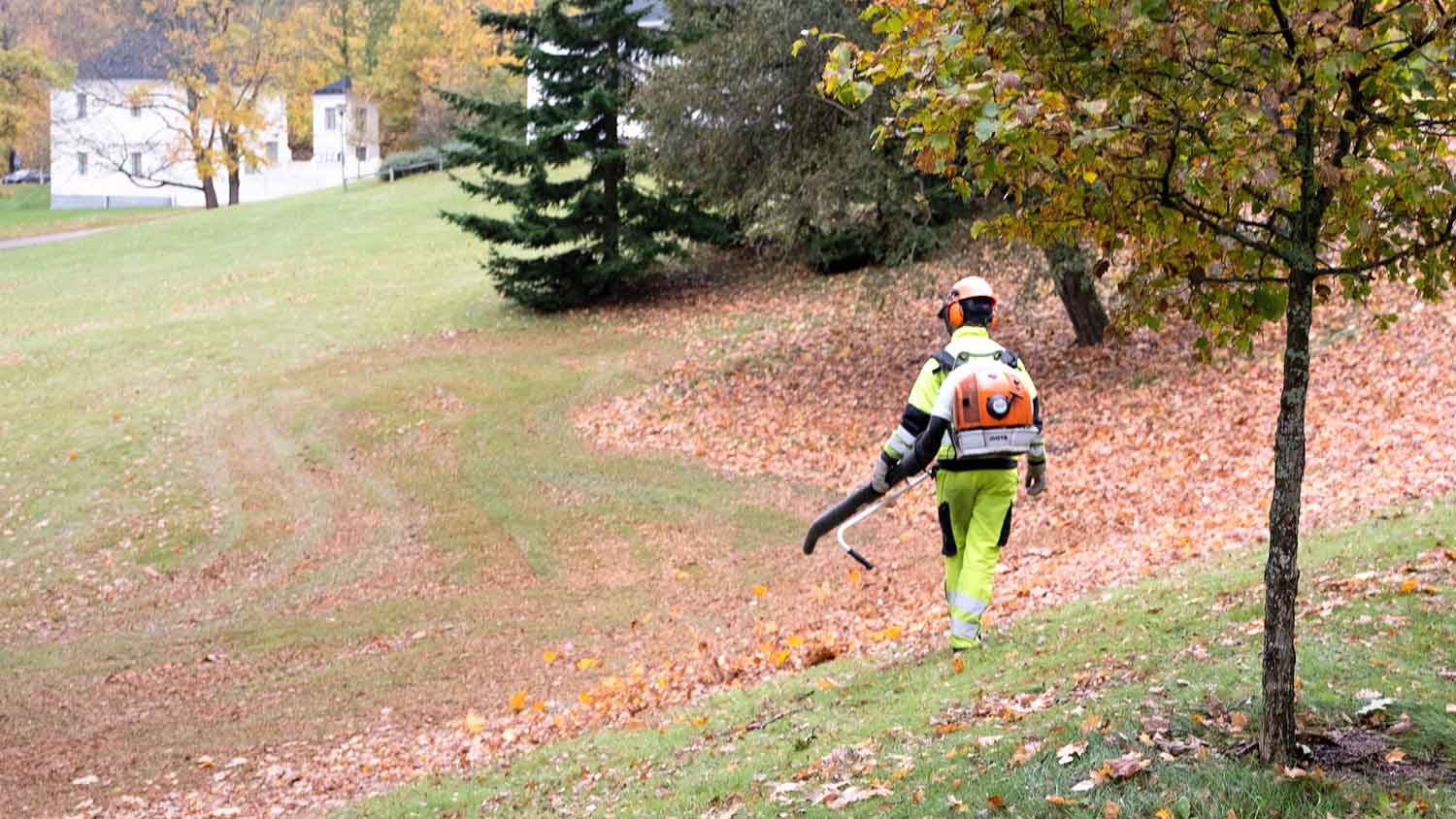
Top-rated leaf removal pros.

Best leaf removal pros near Dayton, OH

Enter your zip and get matched with up to 5 pros

Need a pro for your leaf removal project in Dayton, OH?

Select your specific project to find the pro for you.

TRUSTED BY DAYTON, OH HOMEOWNERS

  • Average homeowner rating star icon4.6
    Average homeowner rating
  • Verified reviews icon21
    Verified leaf removal services reviews

Top-Rated Leaf removal pros in Dayton - Updated Nov 2026

Avatar for GREENBUSH PROFESSIONAL SERVICES
GREENBUSH PROFESSIONAL SERVICES
4.9(
10
)
Lawn & Yard Waste Clean UpLawn Care - Fall / Spring Clean Up - For Business

Serving Dayton, OH and surrounding areas

Approved

In business since 1984

Free estimates

Credit card accepted

"Dave and his crew at Greenbush Professional Services did an exceptional job removing 7 trees and their stumps for me this past fall. Let me repeat exceptional. Yes they were the most expensive. However, they took the time to lay a road of composite material to minimize damage to the yard, cut down large trees next to the home and fence w/o damage, and removed the stumps thoroughly. That later step is what many companies fail to accomplish – which makes it difficult to grow grass afterwards. Once the tree work was done, he and his crew spread top soil and laid sod. Overall the yard looks good – but time will if/how much settling will occur. If you need trees removed and want it done right in a timely manner – give Dave a call."
1 neighbors recently requested a quote
Recommended by100%of homeowners
...
Showing 1-10 of 684
Leaf Removal FAQs, answered by experts

Lead toxicity comes from inhaling lead or consuming it. Before the 1980s, when the government banned lead from consumer use, it could be found in paint, plumbing, pipes, ceramics, and even gasoline. Lead paint is toxic for the same reason lead itself is toxic, which is why lead poisoning from paint presents the same as lead poisoning from water or food sources, with a slight increase in respiratory symptoms vs. digestive symptoms. Lead paint is most dangerous when it’s old and peeling, cracking, or otherwise disturbed. This increases the concentration in the air and, therefore, in breathable air. 

While the EPA provides guidelines for homeowners to perform DIY lead paint removal, it is a risky process and generally not recommended due to serious health risks and strict regulatory requirements. The process requires precise safety precautions, such as wearing a respirator and protective eyeglasses, creating sealed exits, and using a HEPA vacuum for cleanup. To ensure the job is done safely, effectively, and in compliance with regulations, it is highly recommended to hire a professional lead abatement company. Certified professionals have the necessary training, experience, and specialized equipment (like chemical strippers and HEPA vacuums) to handle and dispose of hazardous materials safely.

According to the Environmental Protection Agency (EPA), hazardous waste is generally classified into four main categories:

1. Characteristic Wastes: These exhibit at least one of four hazardous traits: ignitability (flammable, like gasoline), corrosivity (can rust or decompose materials, like car batteries), reactivity (unstable and can explode, like aerosol cans), or toxicity (harmful when ingested, like lead-based paint).

2. Listed Wastes: These are specific wastes from manufacturing and industrial processes that the EPA has officially designated as hazardous. They include byproducts from processes that use solvents, pesticides, and other chemicals.

3. Universal Wastes: These are commonly generated hazardous items that are subject to streamlined regulations. Examples include batteries, pesticides, mercury-containing equipment (e.g., bulbs), and some lamps.

4. Mixed Wastes: This category includes waste that contains both hazardous and radioactive components, making it subject to regulation by both the EPA and the Nuclear Regulatory Commission.
Chlorine has a shelf life of between six months and several years, depending on its type and formulation. Liquid chlorine can often lose its effectiveness in just a few weeks. Pool owners can find themselves with overstock that they need to get rid of. The best way to dispose of excess chlorine is to take it to a hazardous waste collection site and let the pros handle it.  

Unfortunately, lead dust does not look different from any other type of dust. You cannot detect it with the naked eye. To determine if you have lead dust in your home, you will need to hire a local company to take a sample from the paint and test it for you in a lab.

The Dayton, OH homeowners’ guide to leaf removal services

From average costs to expert advice, get all the answers you need to get your job done.