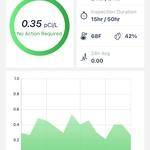
"Tim was quick to respond to my Anji request and came out within a couple days to set up the radon testing equipment. He was knowledgeable, communicated very well, and returned promptly to read the test and explain the results. I was very pleased with this radon pro. I would highly recommend him."
"This is the review. Let me know this is good before I send Prompt and on time service for the asbestos removal along with safe and proper poly containment. Also 3rd party testing confirmed safe air test. The workers were in suits, masks and had ASD machines running very professional and highly recommended for any asbestos work! We are very pleased the cleanup was nice, with no debris . I would definitely hire again if needed"
"I'm a realtor & have used Trust Worthy LLC many times!! Always great friendly service. Work always done as stated & on time or even sooner! Would definitely recommend!!"
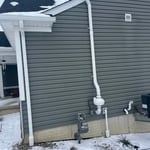
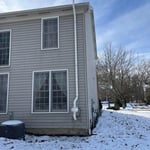
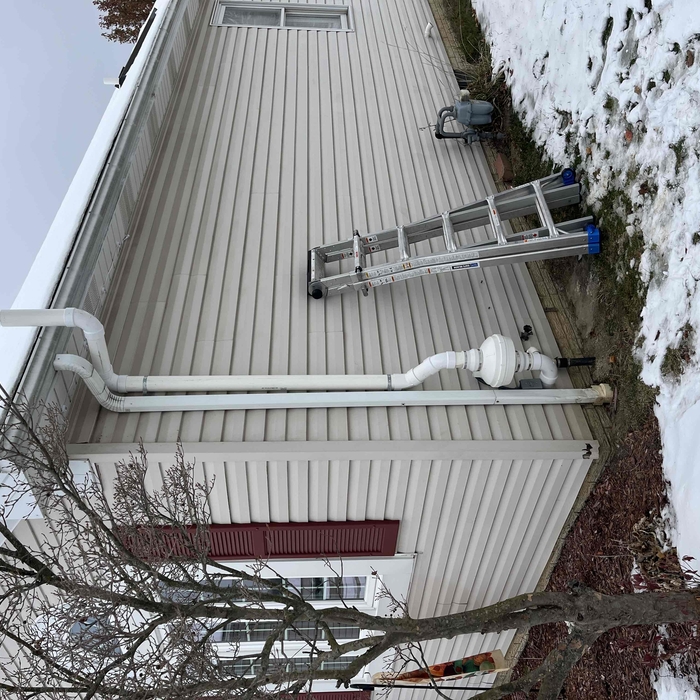
"We had our home checked for Radon since the levels were high in our area. Matt was able to come out and install/test the scavenging system in a very timely manner. He was very professional, and reasonable!"
"Very reasonably priced, professional, thorough and responsive. All we needed was a radon inspection, but I wouldn't hesitate to hire Bill again should a need arise -- and I highly recommend him."
"He pointed out everything that was good everything that I probably should look into and gave an evaluation of the overall house. Having never bought a house before this was greatly appreciated and valued."
Lion Guard Inspectors are highly trained, certified, experienced, and most importantly honest. Being both InterNACHI and HSTI certified professionals you will be assured that attention to detail is our top priority. A home inspection requires a lot of work and continuing education. We guarantee to give our very best effort with every inspection we do; as it is our passion.
Radon Detection and Reduction questions, answered by experts
Mitigation reduces radon levels, protecting your health and complying with safety standards.
Radon detection is crucial as prolonged exposure to radon gas, a leading cause of lung cancer, poses significant health risks in residential environments.
The lifespan of a radon mitigation system depends on the type of system and its maintenance. With proper care, a system can last for many decades. Passive systems tend to last longer as they have fewer components that require replacement. Active systems, which have more moving parts like fans, generally have a shorter lifespan. For instance, water filtration devices and active pressurization systems require more frequent maintenance. While the system as a whole is durable, the radon fan in an active system typically has a lifespan of 5 to 10 years and will need to be replaced. As long as the fan is working, the mitigation system should function correctly.
Radon is the number one non-smoking cause of lung cancer in the United States, but it can cause some other concerning side effects in the meantime. If you have a raspy voice, chest pains, trouble breathing, difficulty swallowing, or any of the above, don’t hesitate to perform radon testing and install a mitigation system as soon as possible.
If high radon levels are detected, steps include sealing entry points, installing a mitigation system, and retesting the air regularly to ensure reduced levels.
The Chippewa Lake, OH homeowners’ guide to radon detection and reduction services
From average costs to expert advice, get all the answers you need to get your job done.
Get clear answers on how much radon remediation costs, including average prices, key cost factors, and tips to save money on your home’s radon mitigation.
Find out what impacts radon testing costs, including average prices for DIY kits and professional services, so you can protect your home and budget confidently.
Radon is a gas that you can't see or smell and is harmful to your health. If your home has radon, you need to know who installs radon mitigation systems.