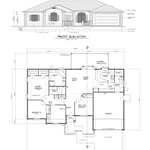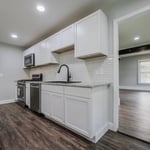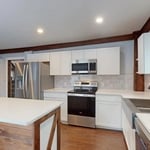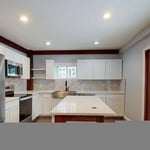






"Excellent! Came to the home did their inspection came up with a plan and all the prints needed to accomplish the goal. Very satisfied and they explained the reasons for what changes were needed definitely would refer them to anyone with structural engineering questions. Very serious people about their profession and extremely professional about their work."
Home repair contractor with 12 years experience in home improvements. Due to many years experience, lack of incompetency will never be an issue when you choose Montgomery Home Repair.
With 16 years of experience serving the area, we are your solution for all your needs. We take great pride in our extreme professionalism, timeliness and superior customer service on every job. We make sure to develop a lasting relationship so that the next time service is needed there will be no question on who to call. Check out our 5 star reviews from happy customers! Call us today so we can discuss your needs and make a plan that fits your budget. Satisfaction guaranteed!
Structural Engineering questions, answered by experts
In framing, studs are placed at 16-inch intervals to coincide with the typical spacing of wall materials such as drywall or plywood. This spacing is called "on-center" and is necessary for maintaining structural stability and efficient use of materials. The 16-inch spacing also helps to distribute the weight evenly across the building's structure. For those looking to cut material costs and improve energy efficiency, 24-inch stud spacing can be employed through a method called "advanced framing". This requires careful planning and adherence to local building codes to ensure structural integrity.
You should pick steel for your new support beam for a few reasons. While steel is more expensive than other materials, such as laminated veneer lumber or glulam, it offers the following benefits:
Fire-resistant
Unaffected by pests
Longer-lasting
Stronger against water damage (when galvanized against rust)
The National Association of Home Builders requires repair of any foundation crack of more than one quarter of an inch, although local regulations may vary. In general, any visible crack that is growing in size, allowing water through, or that you have just noticed, is a good reason to call a structural engineer. Cracks can be a sign of a sinking foundation, so an inspection is a good idea for your peace of mind.
Most lenders and homeowner’s insurance companies don’t mandate a structural engineer’s inspection, so in most cases, it’s not required. However, it’s a good idea to have one done anyway to ensure you know what you’re buying. You can use the report to carry out repairs after closing or even to negotiate the sale price before closing.
No, it’s not legal for unlicensed individuals to conduct structural calculations for buildings or building repairs. Not only do licensing requirements prevent DIYers from tackling this project, but mistakes can also be extremely dangerous and put your property and anyone inside or near it at risk of severe injury or even death. You should always hire a licensed and certified local structural engineer to make structural calculations.
The Bucyrus, OH homeowners’ guide to structural engineering services
From average costs to expert advice, get all the answers you need to get your job done.
A new steel I-beam is more durable than a wooden one. Learn what factors can affect steel I-beam installation costs and how to budget for this project.
A bowing basement wall needs immediate repair. Learn how much it costs to repair a bowing basement wall and what factors can affect the final price tag.
Your sill plate plays an important role in your home’s structural integrity. Learn how sill plate replacement works, when it’s needed, and more in this guide.