




Top-rated fire pit installation pros.

Best fire pit installation pros near Atwater, OH

Enter your zip and get matched with up to 5 pros

Need a pro for your fire pit installation project in Atwater, OH?

Select your specific project to find the pro for you.

TRUSTED BY ATWATER, OH HOMEOWNERS

  • Average homeowner rating star icon4.3
    Average homeowner rating
  • Verified reviews icon71
    Verified fire pit installation services reviews

Top-Rated Fire pit installation pros in Atwater - Updated Nov 2026

Avatar for Handyman Jay
Handyman Jay
4.7(
87
)
Handyman for Multiple Small Projects

Serving Atwater, OH and surrounding areas

Approved

Super Service Award Winner

In business since 2024

Free estimates

Credit card accepted

"I recently hired Jay for some small plumbing repairs. I needed a garbage disposal installed and a leaking toilet repaired. Jay was quick to respond to my inquiry and he was easy to make an appointment and received a quote over the phone. Jay was polite and curtious when he arrived. I had a concern with the garbage disposal after he left and he returned to my home within the hour to look at my concern and made changes for my peace of mind. If your looking for someone to help with projects in your home I highly recommend Jay."
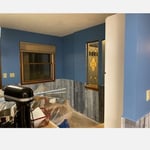
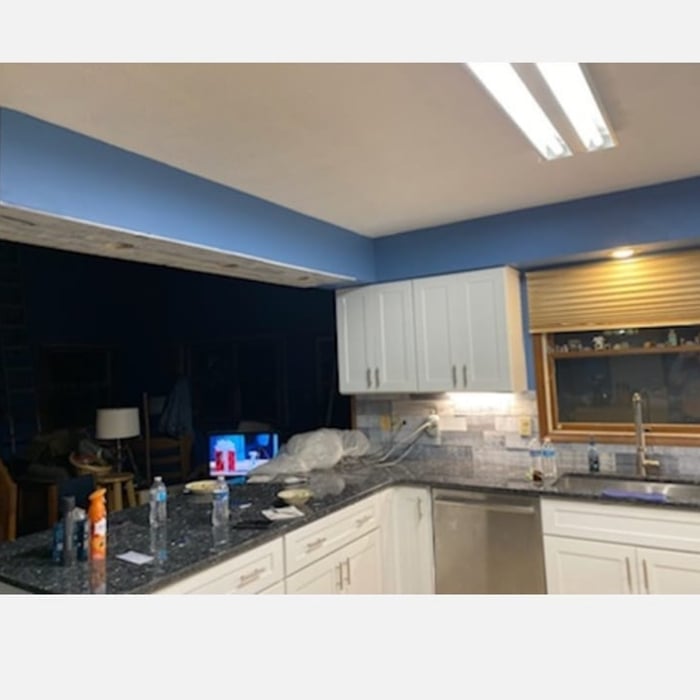
Kitchen backsplash/paint

+1

Response time10 hrs
Response rate94%
21 neighbors recently requested a quote
...
Showing 1-10 of 150
Fire Pit Installation FAQs, answered by experts

Generally, an oil furnace is considered safer than a gas furnace for several reasons. While both types of furnaces can produce carbon monoxide, a leak in an oil furnace is easier to detect due to the smell. Oil furnaces also don't connect to a gas pipeline, which reduces the chance of a fuel leak. Most importantly, heating oil is not combustible, whereas natural gas is highly flammable. This means there is a much lower risk of combustion or explosion with an oil furnace. However, an oil furnace can still pose a fire hazard if it tips over.

In addition to flashing, a roof cricket can help divert water around your chimney so that it drains properly off your roof. It’s shaped like a double triangle and is installed behind the chimney so that falling water spills evenly down each side. This helps prevent water from accumulating behind your chimney, which can increase water damage and the risk of leaks. 

The International Building Code (IBC) requires cricket installation if a chimney built after 2012 measures over 30 inches in width. Chimneys constructed before that date are typically grandfathered in and aren’t required to have crickets installed.

Disposable fire extinguishers are good for anywhere from 10 to 12 years, but check the documentation that accompanied your specific model to make sure. Additionally, there are rechargeable models out there that last 12 to 20 years, but they require a professional inspection every six years.

Chimneys should either be sealed or waterproofed, which is different from sealing off—closing at both ends—a chimney. Waterproofing and sealing are both crucial steps to take to prevent water damage and the chimney leaking inside the house. While waterproofing is more comprehensive, both help safeguard your chimney, extending its life span and preventing expensive repairs. 

No, it is not safe to use an outlet that sparked. A spark from an outlet could indicate a short circuit, loose or frayed wiring, or other serious damage. Continuing to use an outlet that sparks can increase the risk of electrical shock, electrical fires, and other hazards. It's important to turn off the power to the outlet at the circuit breaker if possible and avoid using the outlet until a licensed electrician has inspected and repaired it.

The Atwater, OH homeowners’ guide to fire pit installation services

From average costs to expert advice, get all the answers you need to get your job done.