
Top-rated excavation pros.

Get matched with top excavation pros in Atwater, OH

Enter your zip and get matched with up to 5 pros

Need a pro for your excavation project in Atwater, OH?

Select your specific project to find the pro for you.

TRUSTED BY ATWATER, OH HOMEOWNERS

  • Average homeowner rating star icon4.1
    Average homeowner rating
  • Verified reviews icon30
    Verified excavation services reviews

Find Excavation pros in Atwater

Top Notch Logging, LLC
5.0(
6
)
Building Site - Preparation and ClearingBuilding Site - Preparation and Clearing - For Business

Serving Atwater, OH and surrounding areas

Approved

In business since 2022

Free estimates

Credit card accepted

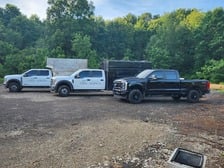
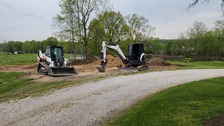
"Top notch land and lot clearing did a great job clearing my lots. They were very prompt in reaching out when I did an online inquiry. They had someone out to do an estimate the next day. I was able to book the job and they had equipment out with in the next two days to do the job. They were very reasonable with pricing that I was actually surprised. The two gentlemen that came out and did the work were very professional and seemed very experienced. I would recommend them to anyone."
Response time3 hrs
Recommended by83%of homeowners
...
Showing 1-10 of 132
Excavating questions, answered by experts

The best type of soil to build on is a mixture of sand and clay, known as loam soil. Loam soil has the best combination of these soil types to build a foundation on. The clay particles help with water retention, so it won’t erode like sandy soil might, and the sandy particles help with drainage, so you won’t see unsafe soil expansion or have an increased risk of leaks from water sitting against your foundation.

Call 811 to locate and mark the gas lines at least three days before digging. In many areas, you can dig within 18 inches of the lines, though in some locations, the distance may be further. Check local regulations, as you may need a utility company representative onsite when digging. Document your calls to 811 and precautions taken to avoid gas lines. A homeowner can be held liable for hitting a gas line in some cases, but contacting the proper authorities and following all guidelines can offer protection.

A trench that is less than 5 feet deep often doesn't require a protective system. Most residential trenches will not go this deep (the typical residential drainage trench is just 18 inches deep). In the event that an excavator needs to dig more than 5 feet beneath the surface, a protective system is required unless the excavation is in entirely stable rock.

A perc test can take anywhere from one to eight hours to complete. The total time depends on factors like the amount of excavation required, the depth and width of the holes, and whether multiple test holes are needed. For a single hole, the process of filling it with water and monitoring the drainage rate usually takes less than an hour. Professionals can often complete the entire test in a single day. While it's possible to get results the same day, some companies may take a few days to provide the official report.

If you have a broken sprinkler pipe underground, there will be some signs you can easily spot to locate it and take action. These include leaks, water spouts, flooding, consistently damp areas on your lawn, low water pressure, and grass around the sprinkler head that’s taller and darker than anywhere else in the yard. 

If there are no obvious signs of a broken pipe, you can use tools such as water leak mics, leak noise loggers, audio devices that record leaks, and acoustic testing links. 

Broken pipes can lead to uneven watering, plant damage, and higher utility bills. The longer you wait to fix them the more the repair cost may be.

The Atwater, OH homeowners’ guide to excavation services

From average costs to expert advice, get all the answers you need to get your job done.