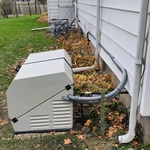
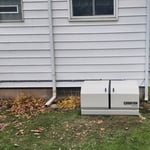
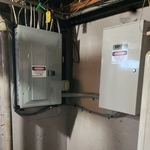
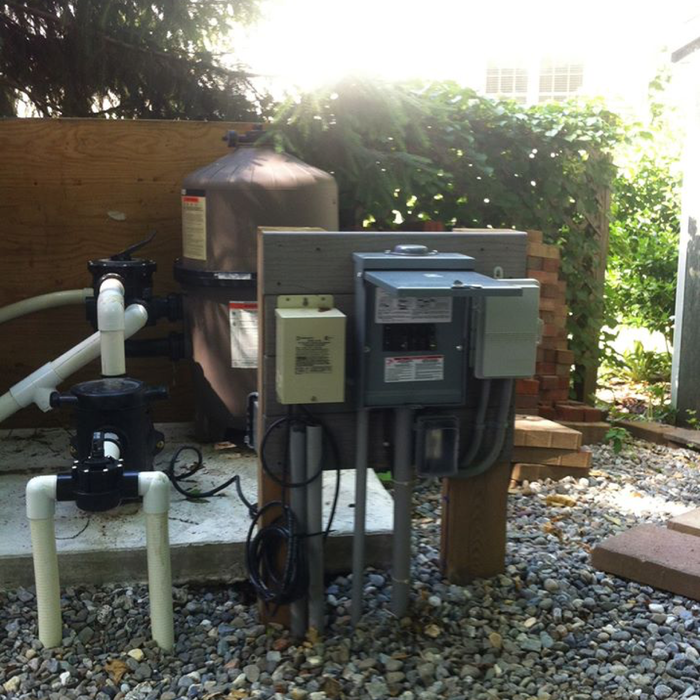
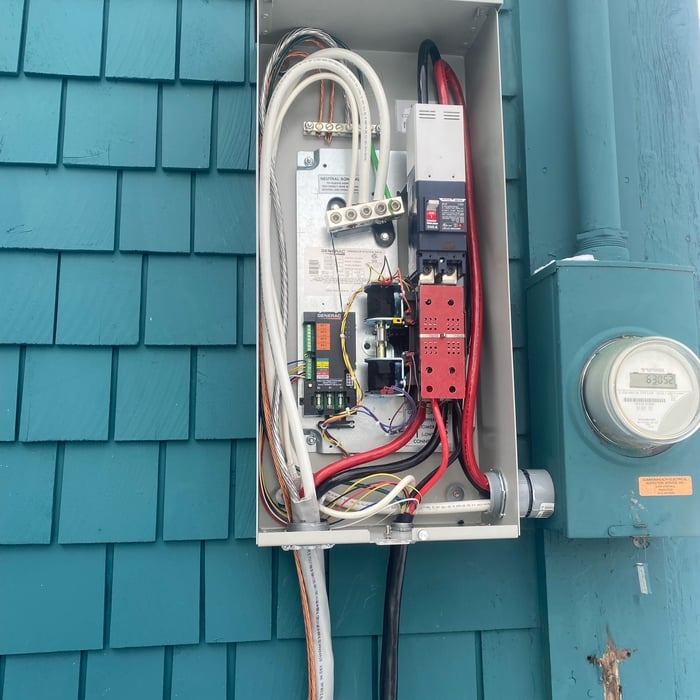
"From our initial request for an estimate to install of a Generac generator to the completion of the work, our experience exceeded our expectations. The estimate was detailed and professional. The technician, Bryan who did the work was knowledgeable, very organized, explained the job thoroughly and the end result clearly demonstrated his abilities through his excellent quality of work. The overall customer service of all the staff involved was commendable. We would highly recommend Sean, Jeanne and their excellent team."
"Krueger did the job professionally and quickly! They were friendly & easy to wwork with. They cleaned up after the job and the cost came in under the appraisal .Great Job guy's!! Frank Bennett"
For over 80 years, Crisafulli Bros. Plumbing & Heating Contractors, Inc. has provided plumbing, sewer and drain, heating and cooling design, installation, service, scheduled maintenance, and electrical services to our clientele. Founded in 1939, our company now spans three generations combining the pride and craftsmanship you expect from a locally owned and operated family business with the resources and knowledge available from a large national company.
\n
\nWith a growing workforce and a fleet of vehicles driving around every upstate NY neighborhood, Crisafulli Bros. is one of the largest mechanical contracting companies in the Capital Region. Our vast resources and commitment to quality led to us being recognized as the Best of the Capital Region for over 16 straight years and named a Top Work Place. We have set the standard for plumbing, heating, cooling, and electrical craftsmanship in the region.
Licensed and Insured Master Electrician.\nTaking on small jobs, panel changes, code compliance and troubleshooting. 40 years in trade with a diverse background.
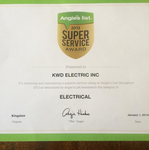
"We had a great experience with Ken, Owner of KWD. He was a pleasure to work with, very professional and knowledgable in this field. His quotes were reasonable compared to others and we had no issues generally with the additional crews brought in or finishing within our timeline."
"Ricco is an excellent electrician, Iâ m very please and impressed with his work . He always shows up when he said he will be there and is very reasonable with pricing. We have used him several times and have told people about his work. Heâ s awesome!!"
We offer over 10 years of experience in the electrical industry. We take on a wide range of electrical projects to include full installation for additions and remodels as well as generator installs, wiring and panel upgrades, and a variety of other jobs. We take pride in our quality of work and our commitment to outstanding results. We're committed to providing a personalized service for each individual project we take on. We look forward to building strong, long-term relationships with our clients and guarantee your satisfaction.
In many cases, yes. There are models called dual-fuel generators and fuel switches, but only between certain types of fuel. For example, with the right setup you can convert a generator from natural gas to propane. Some allow switching between diesel and gasoline. There are even tri-fuel generators available in some cases, which adds a large layer of security if you are worried about fuel availability in times of crisis. Always check your generator capabilities and manual instructions before trying to switch fuels. Some generators can use another fuel but may need a fuel conversion kit to prep them first.
You can determine what size generator you need for a transfer switch by matching the switch to the largest outlet on your generator. Larger generators can power up to 10 circuits, while most 5,000-watt generators can provide power to six circuits. So, if your generator’s largest outlet is 30 amps, you’ll need a 30-amp transfer switch.
A home that is 2,500 square feet will likely need a 20kW to 25kW generator. Consult your local generator installer to confirm the generator size needed to power your home before purchasing a new one. Be sure to consider how much power your necessary devices need to run.
In most cases, there are no tax credits available for home generators. However, that’s a general statement that applies to federal tax credits, so you might have access to state or local tax incentives. You can check the Database of State Incentives for Renewables & Efficiency (DSIRE) for more information about your area. If you hire a reliable home generator installer, they should also know if there are any state or local perks you can use to reduce your installation costs, including tax breaks and rebates.
A 1,500 square foot home will likely need a 15kW to 20kW generator. When deciding on whole-house generator size, add up the total wattage of the devices that you’d like to continue running during a power outage. That way, you can ensure you purchase a generator that can power your necessary appliances or medical equipment during an electrical emergency.
The Whitehall, NY homeowners’ guide to generator installs
From average costs to expert advice, get all the answers you need to get your job done.
Natural gas generators are whole-home standby generators that are connected to your home’s natural gas line. The average cost for a natural gas generator is $12,000.
Generators should give you peace of mind, but you’ll only get that if your installer knows what they’re doing. Learn how to hire a pro and what red flags to look for.
Thinking about a generator installation? Learn about backup power options, costs to expect, and how to hire the right local pro to keep your home running.