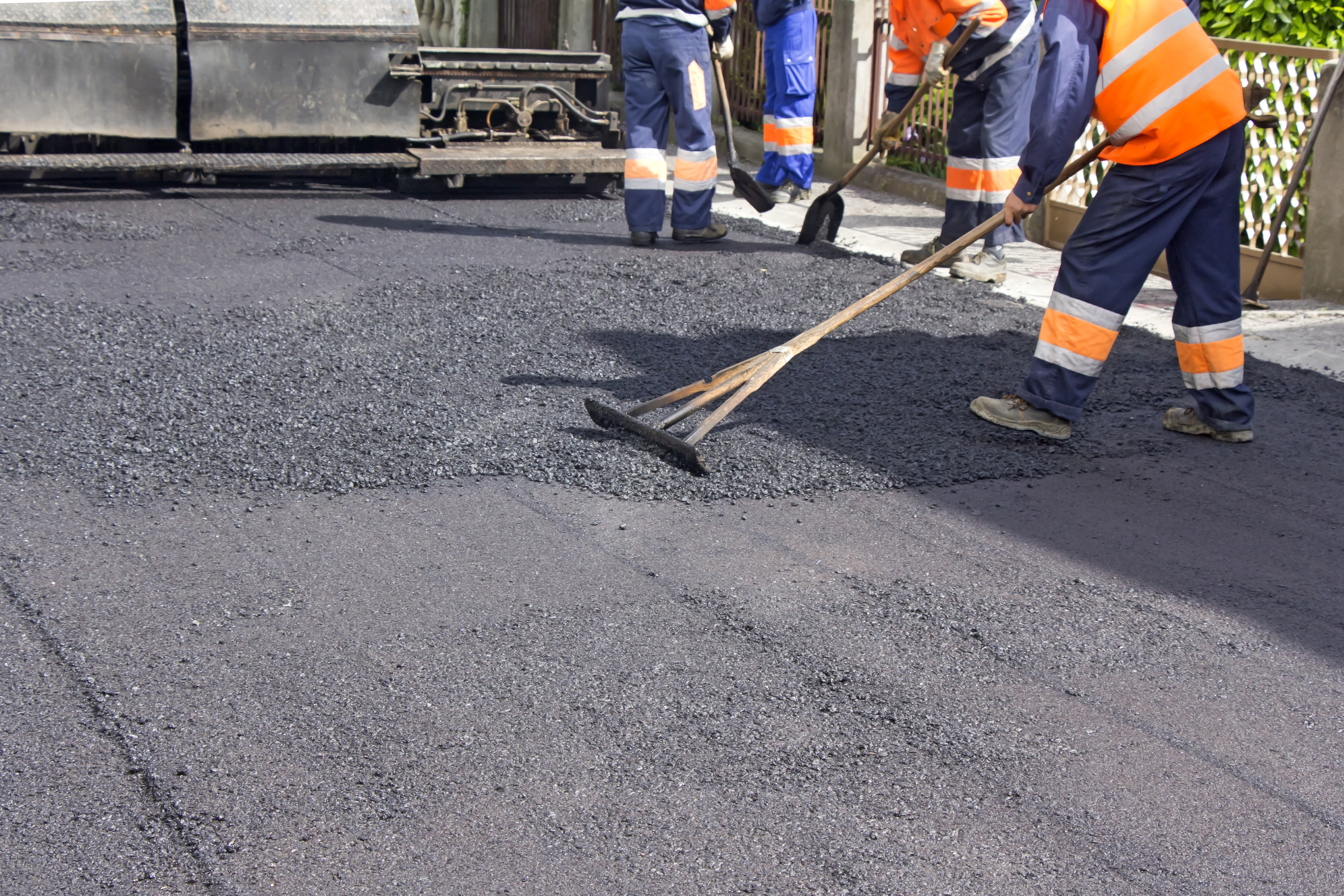


Top-rated asphalt driveway pros.

Best asphalt driveway pros near Sylvan Beach, NY

Enter your zip and get matched with up to 5 pros

Need a pro for your asphalt driveway service project in Sylvan Beach, NY?

Select your specific project to find the pro for you.

Top-Rated Asphalt driveway pros in Sylvan Beach - Updated Nov 2026

Avatar for JR HVAC Electric & Appliance Repair
JR HVAC Electric & Appliance Repair
4.6(
14
)
Asphalt Paving - InstallAsphalt Paving - Repair or PatchAsphalt Sealing+3 more

Serving Sylvan Beach, NY and surrounding areas

Approved

In business since 2025

Free estimates

Warranties offered

"Jeffrey did an excellent job diagnosing and fixing an intermittent electrical issue in my basement that others couldn’t resolve. He was professional, thorough, and took the time to clearly explain the problem and my overall electrical setup. He identified the root cause and implemented a clean, reliable fix. I really appreciated his attention to detail and how methodical he was throughout the process. Highly recommend Jeffrey if you’re looking for someone knowledgeable and dependable."
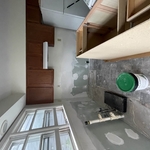
Kitchen remodel
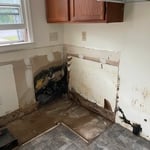
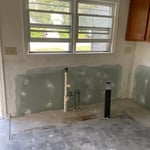
Mold damage
After mold remediation and treatment to prevent mo
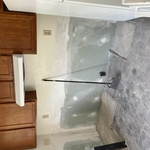
Kitchen remodel
Completed kitchen

+13

7 neighbors recently requested a quote
Avatar for LanzScapes
LanzScapes
3.0(
2
)
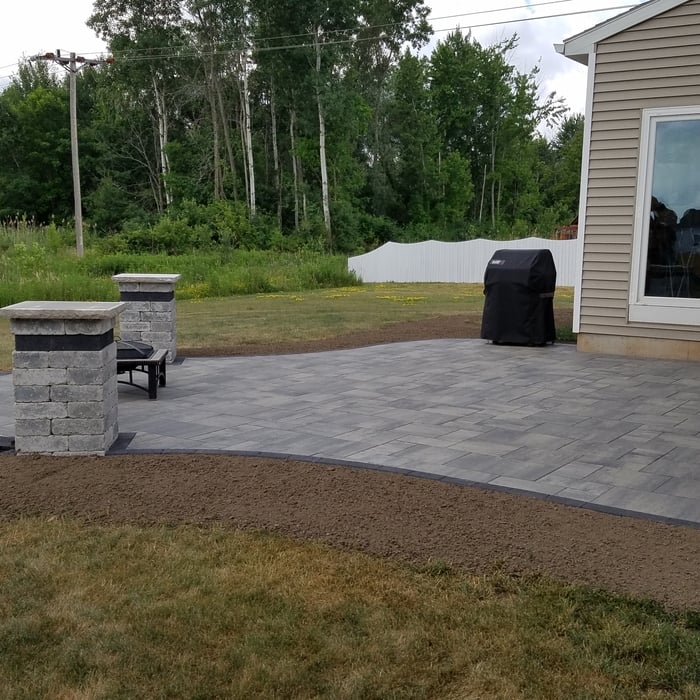
Interlocking Pavers for Driveways & Floors - InstallBrick and Stone Driveways & Floors - Install

Serving Sylvan Beach, NY and surrounding areas

Approved

In business since 2020

Free estimates

Credit card accepted

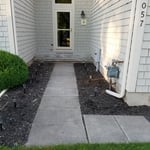
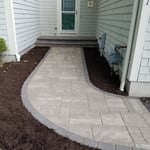
"Ryan did a great job with communication throughout the project. He worked with us when we decided to add our front walkway and an overlay and new front step on our front porch. The results were amazing! They did a fantastic job!"
Response time4 days
11 neighbors recently requested a quote
Recommended by100%of homeowners
...
Showing 1-10 of 85
Asphalt Driveways FAQs, answered by experts

The choice between asphalt and concrete depends on your priorities, budget, and climate.

Concrete is generally more durable, lasting up to 50 years with minimal upkeep, and offers more customization options like staining and stamping, which can add more to a home's value. However, it is more expensive upfront and can be prone to cracking in cold climates where water can freeze and expand.

Asphalt is typically cheaper and quicker to install and is easier to repair. It performs better in colder climates. However, it requires more maintenance, including regular resealing, has a shorter lifespan, and can get hot and sticky in intense sunlight.

Ultimately, if durability and long-term value are key, concrete is often the better choice. If upfront cost and performance in cold weather are more important, asphalt may be preferable.

When asphalt cures, it typically changes from a very dark black hue to a lighter, more matte gray color. Cured asphalt also won’t be tacky or sticky to the touch or emit any odors from the asphalt mix. Additionally, the surface of fully cured asphalt won’t deform under any pressure.

Gravel is one of the few driveway materials that can handle rain the second it’s installed. Unlike asphalt, which needs days to set, or concrete, which requires weeks to cure, gravel is ready as soon as it’s compacted. It’s naturally permeable, allowing water to drain straight through—with no risk of pooling or surface damage. Gravel driveways are one of the most affordable, at $1 to $3 per square foot, and can also last upward of 100 years.

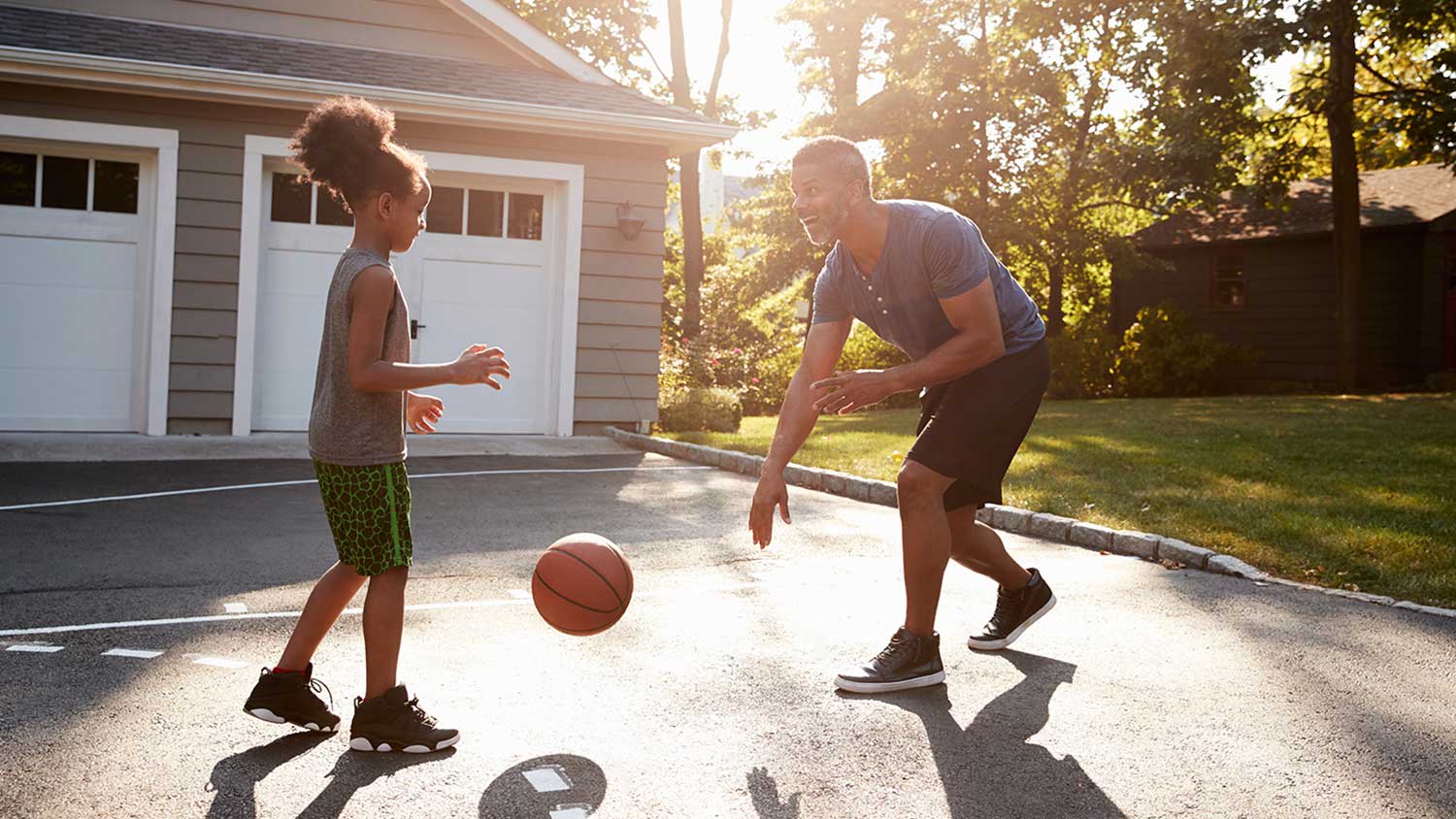
Asphalt, which is stone mixed with tar, is the most common material for outdoor basketball courts because it’s so sturdy and versatile. However, you don't have to use it: another option is polymeric rubber, which has shock pads that can prevent injury. This option is a little more expensive, ranging between $16 and $25 per square foot.

Materials used for indoor basketball courts, such as hardwoods, aren’t really an option outdoors.

While blacktop is a type of asphalt, the terms should not be used interchangeably, as not all asphalt qualifies as blacktop. The primary differences are in their composition, production process, and ideal applications. Blacktop contains more stone than other types of asphalt and is heated to a higher temperature during production—300°F or more—while hot-mix asphalt is heated to between 275°F and 300°F. The ratio of bitumen (a tar-like crude oil) is a key differentiator, though sources vary: some state blacktop has less bitumen, making it less durable, while others claim it has a higher ratio. Due to these differences, asphalt is generally more durable and better for high-traffic areas like highways and streets, while blacktop is more suitable for playgrounds and residential driveways. For a driveway project, it is best to consult a professional to determine the most appropriate material.

The Sylvan Beach, NY homeowners’ guide to asphalt driveway services

From average costs to expert advice, get all the answers you need to get your job done.