
Top-rated electricians.

Get matched with top electricians in Uniondale, NY

Enter your zip and get matched with up to 5 pros

Need a pro for your electrical service project in Uniondale, NY?

Select your specific project to find the pro for you.

TRUSTED BY UNIONDALE, NY HOMEOWNERS

  • Average homeowner rating star icon4.6
    Average homeowner rating
  • Verified reviews icon939
    Verified electrical services reviews

Find Electricians in Uniondale

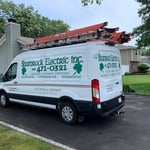
Avatar for Shamrock Electric Co Inc
Shamrock Electric Co Inc
4.9(
324
)
Electric Vehicle Charging Station Installation - Materials Not ProvidedElectric Vehicle Charging Station InstallationElectric Vehicle Charging Station Installation - For Business+10 more

Serving Uniondale, NY and surrounding areas

Approved

Super Service Award Winner

In business since 1992

Free estimates

Emergency services offered

"We have used Shamrock Electric Electric a few times over the last 5 years…. Wiring a new electric oven that replaced a gas oven…. Fixing our high hat in our kitchen… and replacing an outdoor light motion detector … each time Mike did excellent work….Always fair pricing.. We highly recommend Mike and Shamrock and will call him for any future electrical repairs ."
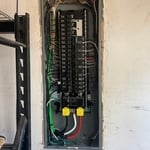
Electrical Project
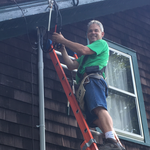
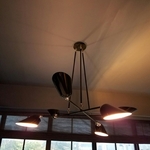
Additional Photos
Additional Photos
Additional Photos
Additional Photos

+5

Response time6 hrs
1 neighbors recently requested a quote
Recommended by97%of homeowners
...
Showing 1-10 of 1105
Electrical questions, answered by experts

The most common type of electrical outlet is a 3-prong outlet, which has two flat blades (one is wider than the other) and a round grounding pin. Older homes typically have 2-prong outlets that aren’t as safe as more modern options and are generally not up to current electrical codes.  Other outlets you can find in your home include 20A, 125 volt varieties for larger appliances like refrigerators or washing machines. 

There are also GFCI outlets, which protect against electrical shock in wet areas, such as bathrooms and kitchens, and arc fault circuit interrupter (AFCI) outlets, which protect against electrical fires caused by arcing.

If you’re moving wires, installing new wires, or installing new fixtures in the space you’re insulating, then you will need to hire a licensed electrician to do that portion of the job for you. However, if you just intend on replacing old insulation or adding new insulation over existing insulation, then you don’t need to hire one. Your insulation installer will work around wiring, fixtures, outlets, and switches, even if they’re installing fiberglass batts in the voids where wires run. However, you will need an electrician if you suspect a problem with your wiring during the insulation work.

Replacing the panel itself takes four to eight hours of work by a professional. However, if associated wiring and related components also require replacement, the labor time increases to 20 to 30 hours. Your electrician can speed up the process by bringing in a team of pros to handle ancillary tasks.

Inverter generators are designed to turn on the engine when your appliances demand more energy. This is in contrast to running at full capacity as soon as they’re turned on, like a standard portable generator does. So long as the wattage rating is high enough, an inverter can power a refrigerator just as well as a traditional generator.

Choosing between 12- or 14-gauge wire for your house depends on the electrical requirements of the circuit. A 12-gauge wire is thicker and can handle more power, making it better suited for devices such as kitchen appliances, air conditioning units, or electric heaters.

A 14-gauge wire is thinner and can handle less electrical current than a 12-gauge wire. It's ideal for circuits with lower power requirements, such as lighting or general-purpose outlets in bedrooms or living rooms.

The Uniondale, NY homeowners’ guide to electrical services

From average costs to expert advice, get all the answers you need to get your job done.