
Looking to size up your electrical system to cover higher usage and improve efficiency? Use this guide to see the cost to upgrade an electrical panel.
More amps, fewer problems

Electrical panel upgrades increase your home's electrical capacity, letting you safely power modern appliances and reducing the risk of overloads or electrical fires.
Expect to pay $1,200 to $2,000 for professional electrical panel replacement, with costs varying based on your home's size and the amperage you need.
Your panel needs an upgrade if breakers trip constantly, you notice burning smells or discoloration, or your home relies on a panel over 25 years old.
Hiring a local electrical professional provides reliable guidance on capacity needs and safe installation, helping you avoid electrical hazards and code violations.
Think of your electrical panel as the heart of the home, maintaining the flow of electricity so you can live efficiently and comfortably. Replacing your home’s electrical panel can boost safety and efficiency, and prepare your home for the latest and greatest appliances and other energy-heavy devices. Let’s review the key benefits to upgrading your electrical panel and why it’s a smart investment.

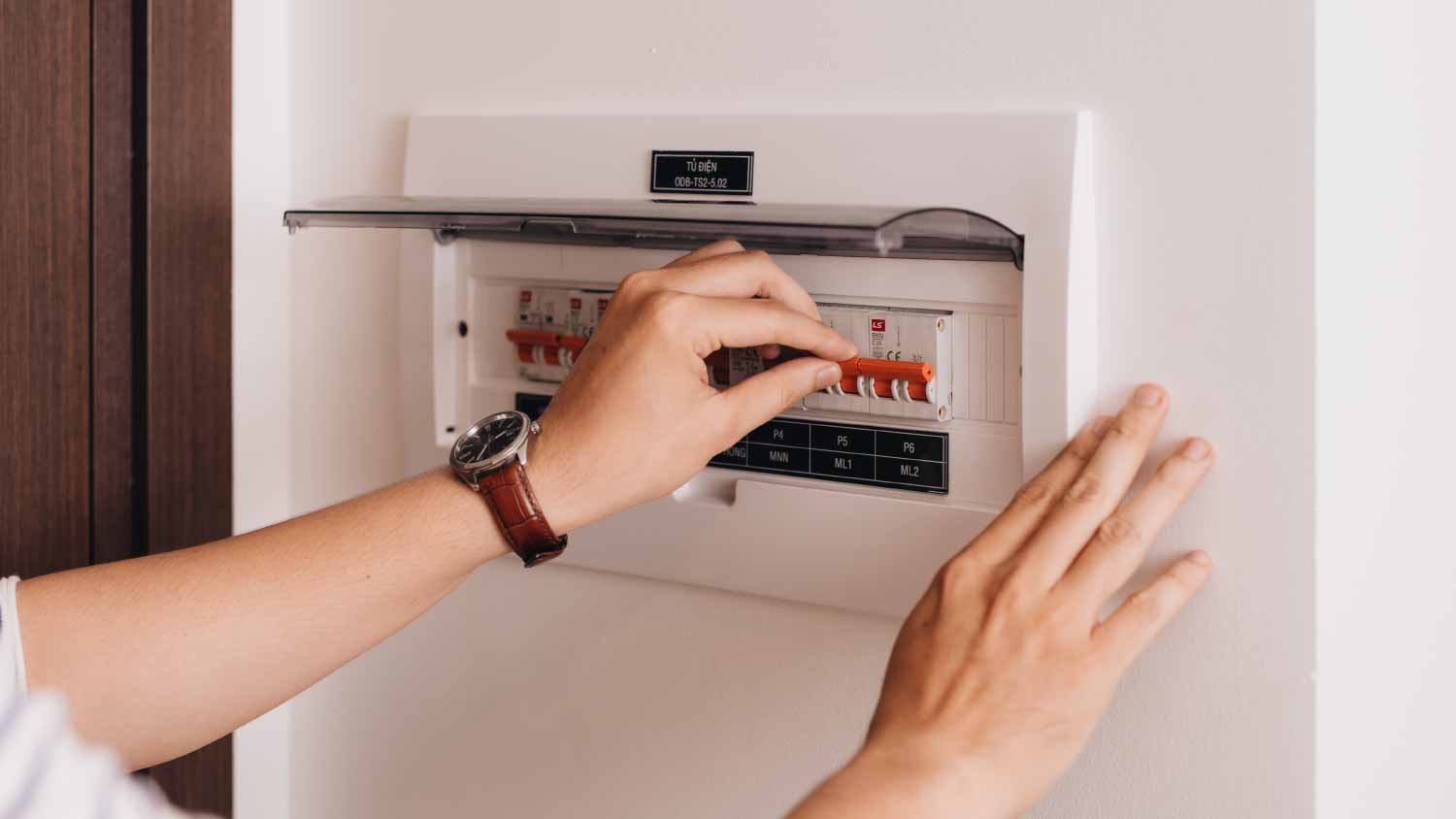
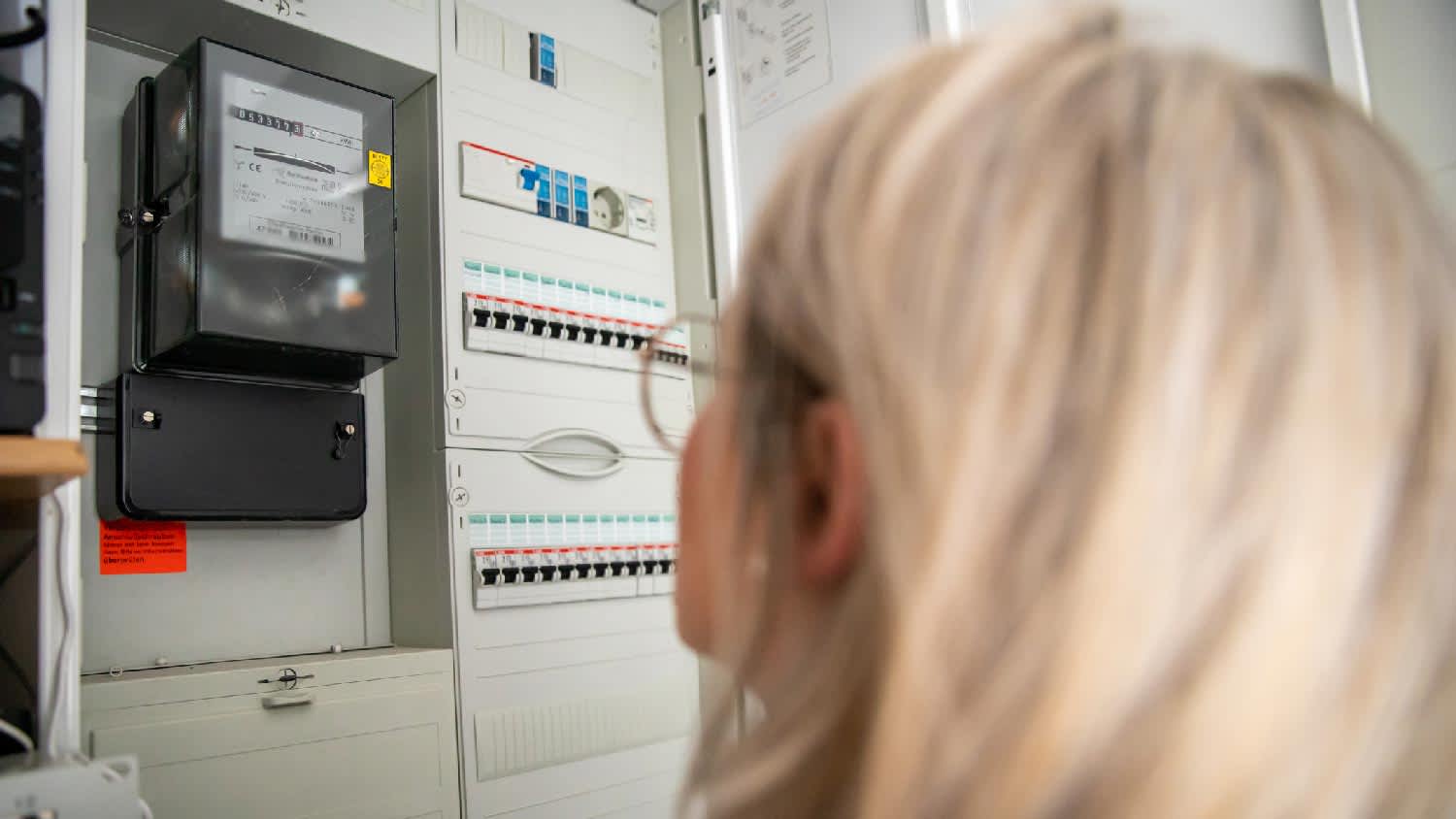
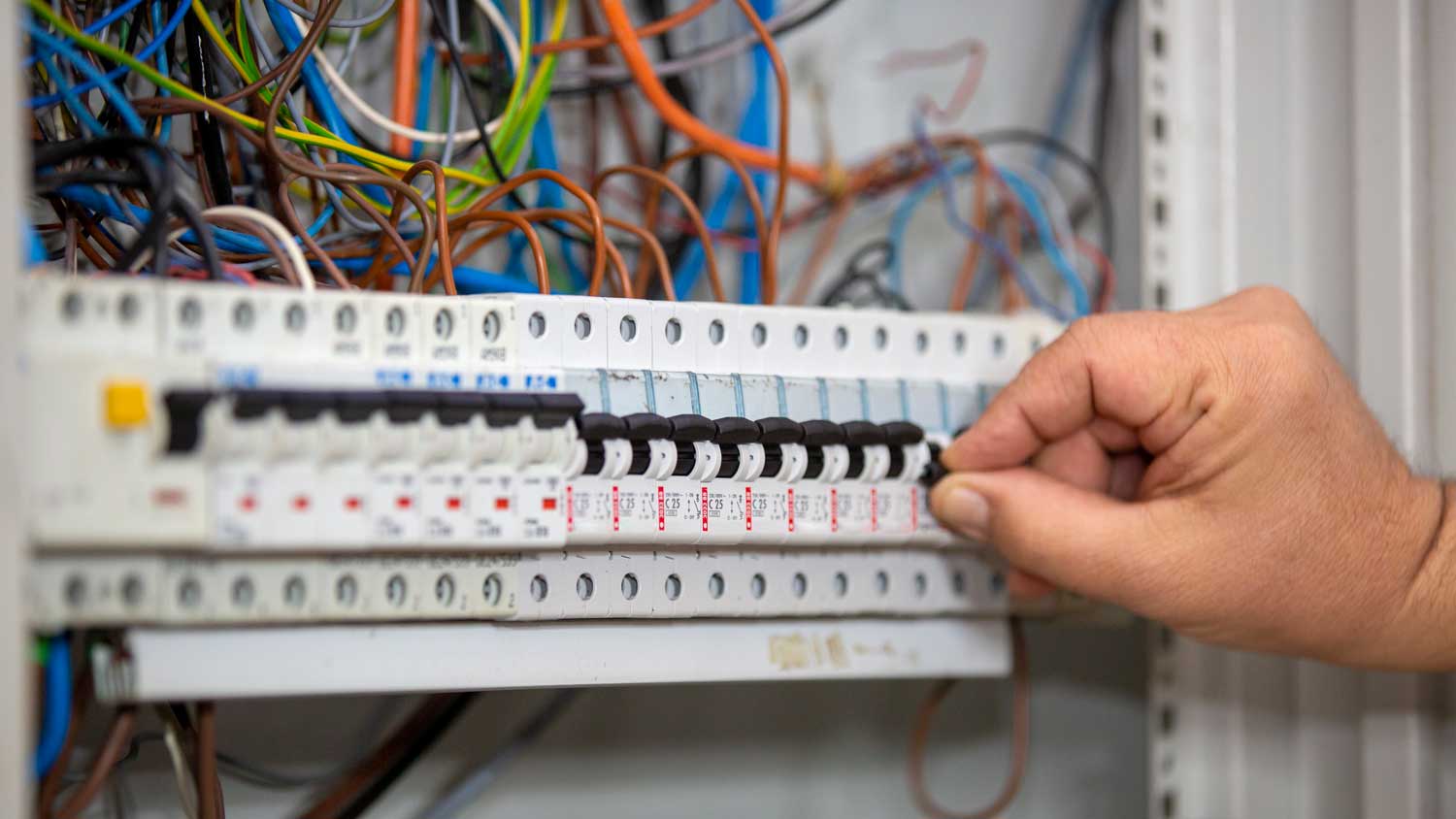
Commonly referred to as a breaker panel or distribution board, your home electrical panel is the hub that distributes power to different circuits. It’s a metal box with a series of circuit breakers or fuses that controls the flow of electricity to lights, outlets, and appliances.
Check out the advantages of upgrading the size and output of your electrical panel.
One of the major benefits of upgrading your electrical panel is the ability to better meet the demands of new appliances or systems. This is especially true if your home has been recently renovated and you’ve put modern high-power appliances or an HVAC unit that requires more power.
Older electrical panels don’t come equipped with the safety features of today’s models. Upgrading your electrical panel can reduce the risk of short circuits, electrical overloads, and electrical fires so your belongings and your loved ones stay safe.
Whether you’re updating an older home in preparation to sell it or investing in your current home, updating your electrical panel can add some serious home value to potential buyers who likely won’t want to invest in that kind of change after enduring the costs of moving and purchasing a home. An electrical panel has a return-on-investment (ROI) of about 53 percent.
You can reduce energy waste and your monthly electrical bill by investing in an electrical panel that optimizes your home’s electrical flow. Newer panels often come with technology, such as advanced circuit breakers, that can improve the efficiency of your home’s power distribution.
Say sayonara to flickering lights or inconsistent voltage—a new electrical panel means even your most sensitive electronics will receive consistent power so you don’t have to flip a breaker halfway through heating up a meal in your air fryer.

Your electrical panel and the electrical function of your home will show these telltale signs that suggest replacement is in your near future:
Your panel is over 25 to 30 years old and no longer meets electrical standards.
Burning smells or discoloration around the panel are present.
Your breakers are constantly tripping.
Visible rust or water damage is seen on or near the panel.
You notice flickering lights or inconsistent voltage on a regular basis.
Power surges, short circuits, or sparking outlets are common.
You can also reach out to your local electrician to perform an inspection and see if an upgrade makes the most sense for your home.
I recently had Mosby Electric perform an electrical installation on 8-14-2026, and I couldn’t be more satisfied with the service. From the moment I called, their team demonstrated fast arrival and professionalism. The electricians were highly knowledgeable, completing the installation...
 Mosby Electric
Great company! Price was competitive, technician showed up on time and completed the job (exterior electric Radon fan replacement) quickly. Would hire them again.
 MaGen Property Inspections and Radon Mitigation
I conferred with 2 other contractors before Armstrong Electric. Nick and his crew showed me that the project was not as convoluted as the other contractors made it appear to be. They completed the entire project on time. They were professional, friendly and cleaned up after at completion. I...
 ARMSTRONG ELECTRIC, LLC
The techs on my project, Shawn and Cliff, were great. They were prompt, courteous, and efficient. I am very happy with the results and would definitely contact Mr. Electric for any future electrical projects.
 Mr. Electric of Columbus
Victor was wonderful. He was on time, professional, and explained everything he was doing. He was thorough and figured out that the problem was electrical instead of with my HVAC system. Very knowledgeable. I will be using this company in the future for any HVAC needs. Thanks!
 Hubbs Heating & Air LLC
They were excellent. They did a great job. I was totally satisfied. They put tremendous effort in making sure the work was completed. They were great. They provided immediate response to any inquires I made. I would hire them again. I would recommend them to anyone who needs electrical work....
 JCB & Associates, LLC DBA Property-Tech Industries
Initially, the repairman could not find the problem. Apparently, there was some electrical shortage, but he could not find the definite problem. He left, but called back later to say he had a new idea. He returned and replaced the light switches on the doors. The refrigerator seemed to return...
 Appliance Pro LLC
The initial quoted price from a walk-through seemed high, but we discussed that the quote represented worst case scenario (re-wiring to two floors) and we were excited about the opportunity to have the work done in a timely manner with closing for fire safety reasons, etc. When the job was...
I have to tell you I am all about customer service - I will go out of my way and even pay more for it if you give me great customer service. <br> <br>In a world where this is hard to find, these guys were awesome! I can not sing their praises enough. They were prompt, personable, funny, got...
 Waibel Electric
When I challenged the markup on the generator, Bruder Electric withdrew its bid. They only want naïve customers.
From average costs to expert advice, get all the answers you need to get your job done.
Looking to size up your electrical system to cover higher usage and improve efficiency? Use this guide to see the cost to upgrade an electrical panel.

Electrical panel replacement costs $530 to $2,100, depending on the location, the type of hardware, and any required building materials.
Your budget for moving an electrical panel depends on the type, labor, and more. Find out the average cost to move an electrical panel.

Is it time to upgrade your electrical panel? For the sake of safety, find out sooner than later by exploring our top signs that it’s time for an upgrade.
Discover how to upgrade your electrical panel for added convenience and to help increase the safety of the electrical system in your home.
Need to upgrade your electrical panel or rewire your home? Ask yourself these six electrical wiring questions before hiring an electrician.