
Top-rated arborists.

Get matched with top arborists in Sherman, NY

Enter your zip and get matched with up to 5 pros

Need a pro for your arboricultural service project in Sherman, NY?

Select your specific project to find the pro for you.

TRUSTED BY SHERMAN, NY HOMEOWNERS

  • Average homeowner rating star icon3.9
    Average homeowner rating
  • Verified reviews icon24
    Verified arboricultural services reviews

Find Arborists in Sherman

Avatar for O'Connor  Landscaping
O'Connor Landscaping
5.0(
10
)
Tree RemovalTree Trimming

Serving Sherman, NY and surrounding areas

In business since 2020

Free estimates

Small jobs welcome

"Great to work with. Shawn has great ideas for drainage issues in areas that need it. Iv had a water build up issue for years in the corner of my house. Shawn came up with a great idea and itâ s working well. Well worth the money. He even touched up the area with mulch and stone to match my porches. I couldnâ t be more happy with the look.. I highly recommend Shawn Oâ Conners work."
Response time2 days
Recommended by100%of homeowners
Avatar for Zekes Roofing & Home Services
Zekes Roofing & Home Services
4.2(
17
)
Tree RemovalTree Removal - For BusinessTree Trimming+1 more

Serving Sherman, NY and surrounding areas

In business since 2021

Free estimates

Emergency services offered

"The 2 young men who came were polite, pleasant, hard-working and very capable. They installed a complicated bird feeder into the ground, moved a heavy potted fig tree into my garage and winterized 2 hoses. I would hire them again."
Metal
Metal over wood and shingles
Metal over shingles
Tear off
Tear off

+11

Response time6 days
Recommended by70%of homeowners
Showing 1-10 of 32
Arborists questions, answered by experts

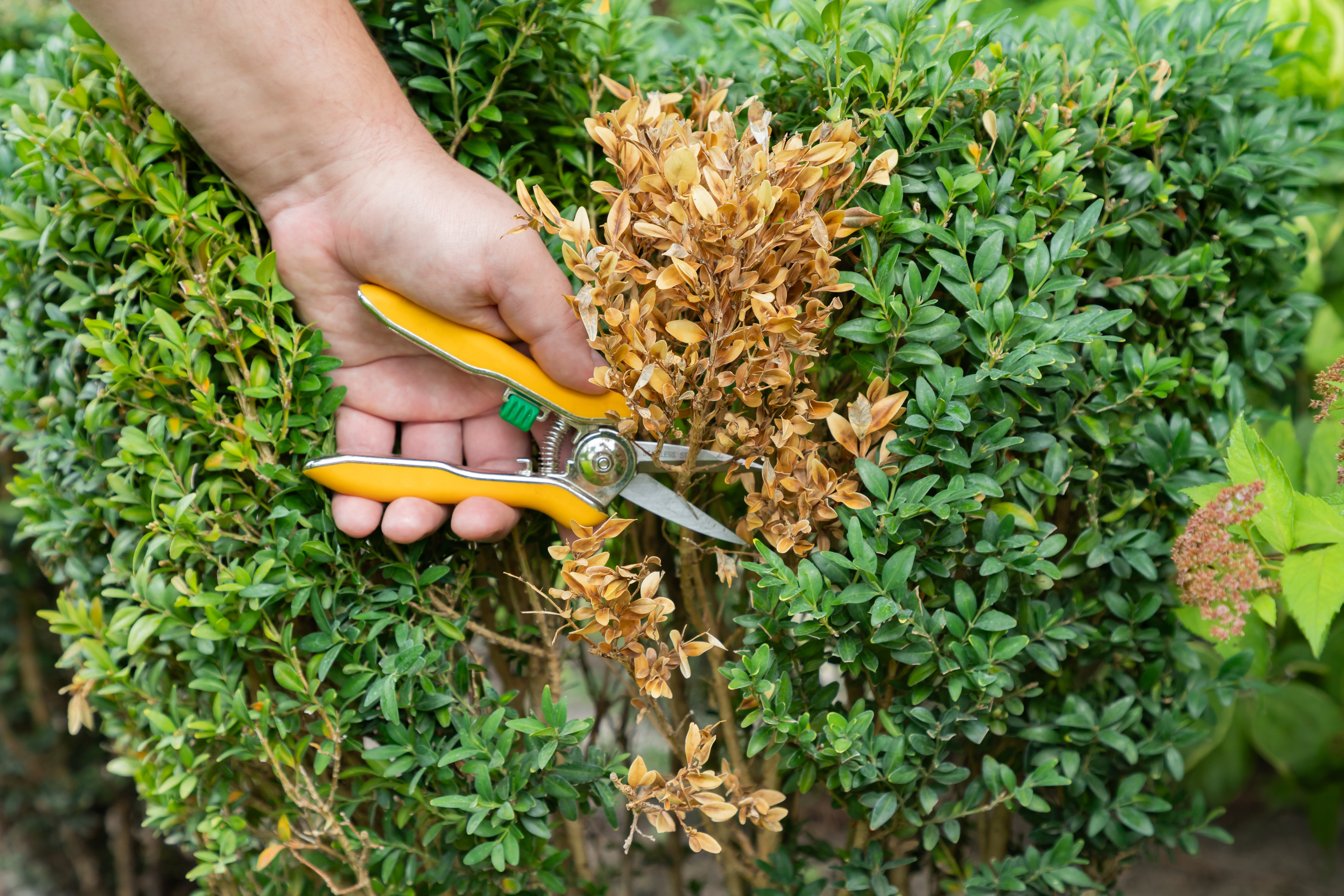
There are four common ways to prune a tree correctly: crown thinning, crown reduction, crown raising, and crown cleaning. The method you choose depends on the purpose of pruning. However, making the correct cuts is a vital part of the process, regardless of your method. Pruning incorrectly can damage or even kill the tree. So, you may want to hire a professional tree-trimming company to tackle the task. 

Palm trees aren’t much different than your typical tree removal. Removing a palm tree is a standard procedure as long as pros have the proper tools and supplies. For DIYers, however, there are some risks associated with palm tree removal. Palm trees have spiky fronds, bark, and patches of hefty wood. So, it’s best to let an experienced tree service pro remove a palm tree.

In most cases, you should not use a pruning seal on trees after trimming. Applying a sealant can interfere with the tree's natural healing process, and it does not guarantee protection from pathogens. Instead of sealing the cut, the best practice is to support the tree's natural recovery by providing it with plenty of water and a dormant-style fertilizer. However, there are exceptions. Pruning seals may be recommended for very vulnerable species, like elm trees, in areas where dangerous diseases such as Dutch elm disease are prevalent. In these specific situations, the protection offered by a sealant can outweigh its downsides. For advice tailored to your situation, especially after cutting large branches, it is best to consult a local tree trimming professional.

The cost of professional tree service, such as trimming, is $460 on average, but the price can range from $75 to $1,800. A more typical range is between $200 and $760. The final price depends on several factors, including the size and type of the tree. For example, trimming Crepe Myrtle trees costs an average of $80 to $400, while giant pine trees can range from $200 to $1,800. Other factors that influence the cost include the time of year, as services are often more expensive in the spring. Your location can also play a role; costs may be higher if you live in a remote area or if the tree is difficult to access. However, some professionals may offer a discount if you have multiple trees that need service.

You may be looking to identify maple trees to use for home improvement projects. In that case, you can tell hard maples by looking at their leaves. Leaves will have a U-shaped dip, or sinus, between the points, or lobes, of the leaves. Leaves of soft maples tend to have V-shaped sinuses.

If you already have the cut wood in front of you, look for a light, uniform color to identify hard maple wood and check for variations of red, gray, or brown streaks and an overall darker color in soft maple wood.

The Sherman, NY homeowners’ guide to arboricultural services

From average costs to expert advice, get all the answers you need to get your job done.