


Top-rated arborists.

Get matched with top arborists in Jamestown, NY

Enter your zip and get matched with up to 5 pros

Need a pro for your arboricultural service project in Jamestown, NY?

Select your specific project to find the pro for you.

TRUSTED BY JAMESTOWN, NY HOMEOWNERS

  • Average homeowner rating star icon4.5
    Average homeowner rating
  • Verified reviews icon102
    Verified arboricultural services reviews

Find Arborists in Jamestown

Avatar for Zekes Roofing & Home Services
Zekes Roofing & Home Services
4.2(
17
)
Tree RemovalTree Removal - For BusinessTree Trimming+1 more

Serving Jamestown, NY and surrounding areas

In business since 2021

Free estimates

Emergency services offered

"The 2 young men who came were polite, pleasant, hard-working and very capable. They installed a complicated bird feeder into the ground, moved a heavy potted fig tree into my garage and winterized 2 hoses. I would hire them again."
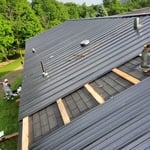
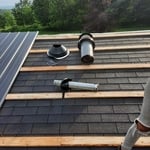
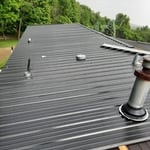
Metal
Metal over wood and shingles
Metal over shingles
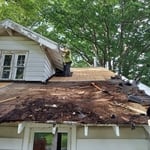
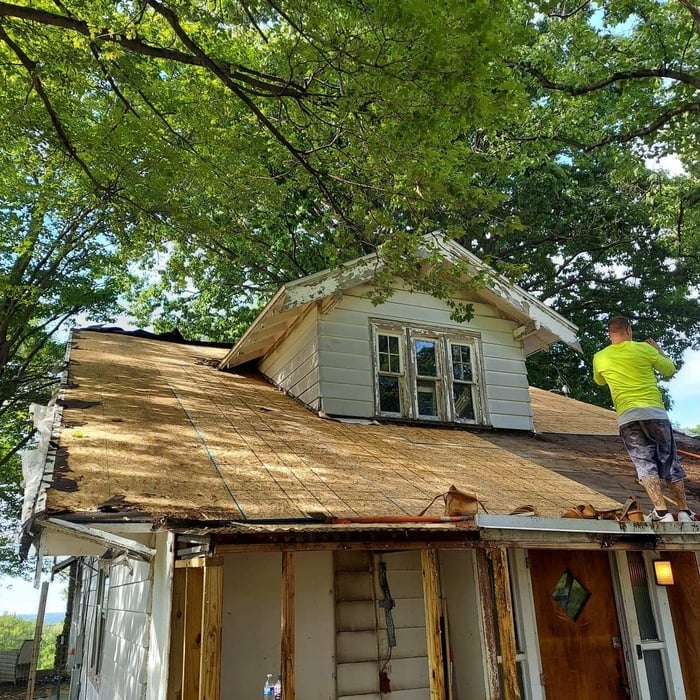
Tear off
Tear off

+11

Response time6 days
Recommended by70%of homeowners
Showing 1-10 of 49
Arborists questions, answered by experts

When a palm tree no longer produces new fronds and old fronds start turning yellow-brown, that’s a sign the tree is dying. However, transplanted palm trees can show these signs for the first several months as they re-establish themselves. It’s best to keep watering and not give up on the palm tree until a couple of seasons have passed and you’re sure it’s not coming back to life.

Sometimes, knowing when you need tree-trimming services is straightforward, and other times, you have to do some investigating. Some tell-tale signs that you should have your tree trimmed include:

  • A poorly-formed tree with unruly branches, which makes the tree appear odd-shaped. 

  • A tree with tall or large branches that interfere with power lines or your home’s exterior.

  • A tree that provides too much shade in the yard due to branch overgrowth.

You should avoid cutting off the top of mature cherry trees. This process is called tree topping, and it’s not recommended for cherry trees—or any trees, for that matter. Tree topping removes between one-third to half of the length of the tree trunk, resulting in structurally unsound, fruitless suckers. The only exception is for saplings. Young pie, sour, and tart cherry trees that are over 30 inches tall in the fall or winter before the tree blooms can benefit from heading cuts.

Completely topping a plum tree is a risky business. Cut too much, and you’ll kill your tree. That said, you do need to trim the top of your tree to encourage bushy growth, maintain your tree’s vase shape, and limit size. 

A plum tree's central leader (or trunk) should never extend more than 3 feet above the highest branch. When you first plant your tree, cut the central leader so it’s 2 to 3 feet tall. As it grows, cut it back 12 to 20 inches until it reaches its desired height. Never prune more than one-third of the new growth.

Some trees will bounce back just fine, and others will struggle and possibly die. Evergreens, for instance, have a very difficult time recovering after droughts and usually die after periods of extreme dryness. Usually, you’ll have to just wait and see—if the drought occurs in wintertime, it’s possible that your tree will recover during the gentler springtime.

The Jamestown, NY homeowners’ guide to arboricultural services

From average costs to expert advice, get all the answers you need to get your job done.