




Top-rated boiler installation pros.

Get matched with top boiler installation pros in Seward, NY

Enter your zip and get matched with up to 5 pros

TRUSTED BY SEWARD, NY HOMEOWNERS

  • Average homeowner rating star icon4.4
    Average homeowner rating
  • Verified reviews icon64
    Verified boiler installation services reviews

Find Boiler installation pros in Seward

Avatar for The Climate Chief LLC
The Climate Chief LLC
3.9(
13
)
Boiler or Radiator Heating System - Install or ReplaceElectric Boiler or Radiator Heating System - InstallGas Boiler or Radiator Heating System - Install+3 more

Serving Seward, NY and surrounding areas

In business since 1986

Free estimates

Credit card accepted

"House was built in 1890, 2800 SF, 3 bed room 2 bath and heating and cooling it was a struggle. I had enough, enough of wasting my money on fuel(350 gallons + a month), pellets (2 pellet stoves), and trying to keep the thermostat set on 78-80 degrees in hopes it would be 64 degrees upstairs where my kids, and newborn sleep. I entered all my information into Home Advisor(Angi) and I found Mark Reed and his company on this website. I then read all the reviews this company had, then read the reviews on the other companies the website recommended. I found that Mark and his crew were best suited for the undertaking that was about to take place in my home. Mark and his son Gary met me at my house within a couple days and we spent 3 hours walking my home, studying the problems and climbing in the attic. I received a quote from Mark in person and I asked them to start as soon as possible. The crew was great, kept a clean work space and understanding about all my concerns of them working in the house at the same time my family and I were living there. The project took over 2 weeks to complete, and as the project was nearing the end I could feel the changes almost immediately. I could walk up the stairs and it was the same temp though out the house, even though it was 20 degrees outside. All my thermal barriers were met, and exceeded. Out with all the old insulation(and much more), and in with all new blown-in -R60! The crew exceeded my expectations, and Mark was there on and off checking in. While I was at work, I received pictures and updates throughout the day and the communication was nice. Even with the crews in my house working for the month of February I burned over 90 less gallons of fuel at month. That was with over a week and half of no insulation in the attic at all, holes in my walls, a hole in my gable end for access, crew guys in and out all day, and outside temperatures between 12*-31* degrees. I would contract with The Climate Chief again. I hope this helps the next person looking to save money long term, and I hope everyone has the same blessed experience that my family and I had as well."
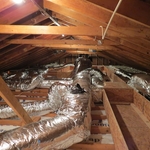
Duct Work Done Right!
FREE Energy Audit
Design, Build, and Insulate
Recommended by80%of homeowners
Showing 1-10 of 24
Install Boiler questions, answered by experts

Most home boilers will need an expansion tank. That’s because these boilers are closed-loop systems, where the water is trapped. An expansion tank is needed when the boiler heats the water and it expands, allowing air to condense in the tank to make room for the water. Other types of boilers don’t use an expansion tank, such as traditional steam boilers, but these aren’t as common. And hot water tanks may be able to use a pressure release valve instead. When in doubt, call in a pro to take a look.

DIY is not recommended due to safety risks and technical expertise required. Hire licensed professionals.

Heat pumps are significantly more efficient than boilers, typically providing three to four times the amount of heat for the electricity they consume. While boilers run on fossil fuels, heat pumps use only electricity. This efficiency can lead to long-term savings on operating and maintenance costs. However, heat pumps have a higher upfront installation price compared to boilers. Despite their lower efficiency, boilers remain a popular choice for many homeowners, with 8 million in the United States alone, due to their lower initial cost and less intensive installation process. Ultimately, the best choice depends on your home's infrastructure, your budget, and your personal heating priorities.

The absence of heating or hot water, unusual noises like banging or gurgling, and visible water leakage are key signs. Abnormal boiler pressure, flame irregularities (for gas boilers), or pilot light issues may also signal trouble. Frequent cycling, soot or staining, and unusual odors, particularly gas-like smells, should not be ignored. Modern boilers often display error codes or lockout mode upon detecting issues. Uneven heating across radiators and rising energy bills without increased usage can further point to problems. Prompt attention to these signs is essential to prevent further damage and ensure safety.

The best time of year to purchase or replace an HVAC system, including components like an air conditioner or furnace, is during the off-season—spring and fall. During these periods, HVAC professionals are less busy than in summer and winter, when extreme temperatures create urgent demand. Shopping during the off-season can lead to savings of 10% to 15% on an AC unit and allows you more time to find the best deal and other cost-saving incentives. Typically, air conditioning units go on sale in the fall after demand drops, while furnace prices tend to decrease in the spring.

The Seward, NY homeowners’ guide to boiler installation services

From average costs to expert advice, get all the answers you need to get your job done.