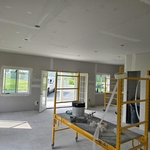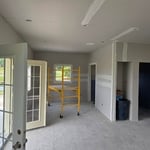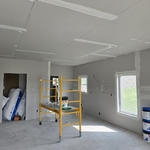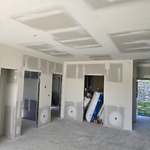




Top-rated drywall pros.

Best drywall pros near Point Lookout, NY

Enter your zip and get matched with up to 5 pros

Need a pro for your drywall service project in Point Lookout, NY?

Select your specific project to find the pro for you.

TRUSTED BY POINT LOOKOUT, NY HOMEOWNERS

  • Average homeowner rating star icon4.6
    Average homeowner rating
  • Verified reviews icon344
    Verified drywall services reviews

Top-Rated Drywall pros in Point Lookout - Updated Nov 2026

Avatar for Marotta Home Improvements
Marotta Home Improvements
4.4(
24
)
Drywall - RepairDrywall - Repair - For Business

Serving Point Lookout, NY and surrounding areas

Approved

In business since 1983

Free estimates

Emergency services offered

"Marotta did an amazing job. My closet space was restored. He arrived promptly each day to get the job done. He is found to be relatable and pleasant. Thank you for referring Marotta to me"
grasso
grasso
burllo
joan
conter

+20

Response time5 hrs
Response rate94%
12 neighbors recently requested a quote
Avatar for BuildingLI.com - BLI Facilities LLC
BuildingLI.com - BLI Facilities LLC
5.0(
32
)
Drywall - InstallDrywall - Install - For BusinessDrywall - Repair+1 more

Serving Point Lookout, NY and surrounding areas

Approved

In business since 2017

Free estimates

Emergency services offered

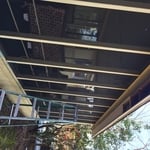
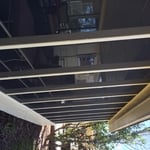
"Hector and Moises were excellent! Hector came with one other of their crew and assembled my permanent gazebo. I have stone pavers and they were very careful in cutting them and digging Deep enough to establish a good anchor. They even installed railings for my back stoop. I would highly recommend them! Clean... affordable and professional."
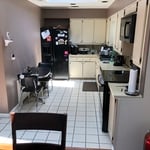
before demo
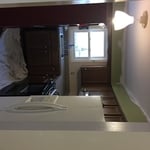
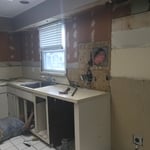
kitchen demolition
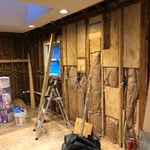
demolition complete
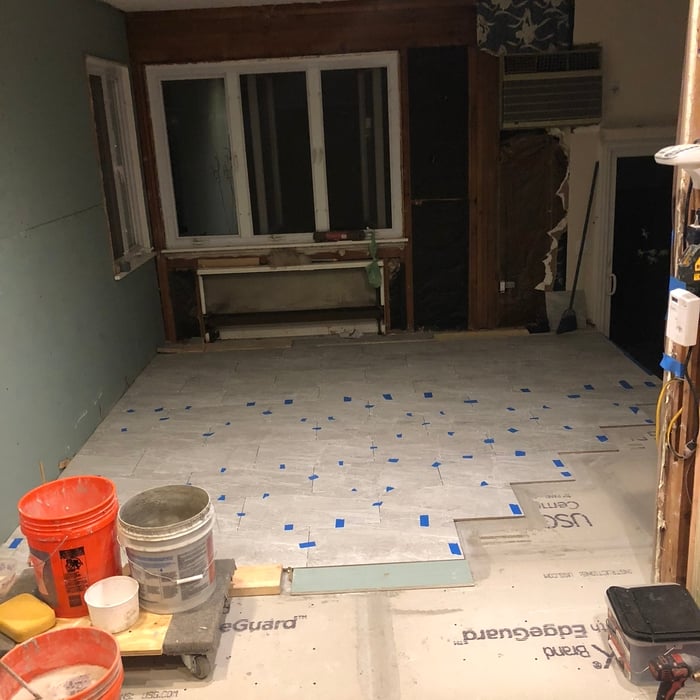
kitchen tile job in progress
kitchen tile

+172

Response time7 hrs
Recommended by76%of homeowners
...
Showing 1-10 of 539
Drywall FAQs, answered by experts

If you already have plaster walls and ceilings, adding new plaster costs $2 to $10 per square foot. For an average-sized room, that would come out to $1,200 to $10,000. However, the cost to replace plaster with drywall is higher—running between $720 and $1,250 for a 10-by-8-foot wall or ceiling (not including drywall finishing).

You can put drywall mud over paint to even out the surface or entirely resurface it. Sand the surface with 280-grit sandpaper, vacuum the debris and dust with a shop vac, and clean it with a slightly damp cloth. Allow the surface to dry. Apply drywall primer, especially if you’re skim-coating an entire wall. Apply the right type of drywall mud over the surface and smooth it with a trowel. Allow the layer to cure fully, then sand it before applying another layer or painting it.

Whether to repair or replace water-damaged plaster depends on the scale of the damage. For small, limited areas, you can often perform a repair yourself. If you choose to paint over small patches, ensure the surface is completely dry and apply a coat of antifungal primer first to prevent mold growth. However, simply painting or plastering over the damage is only a temporary solution that doesn't address the core problem. For more extensive or long-term damage, the plaster may be compromised, and there is a risk of mold. In these cases, it is recommended to remove the damaged section of plasterboard and replace it. You may consider hiring a professional for the repair, and it's worth noting that water damage is often covered by home insurance.

Whether a drywall anchor can be reused depends on its material, type, and the method of removal. Plastic anchors, including expansion and self-drilling types, are generally designed for single use as they tend to break or deform upon removal. Metal anchors, such as toggle bolts, are more durable and may be reusable if they are not damaged during extraction. However, with toggle bolts, the toggle piece can fall into the wall cavity when the bolt is removed, making it difficult to retrieve. If an anchor is damaged during removal, for instance by having its head cut off, it cannot be reused regardless of the material.

You should stagger drywall sheets to help prevent cracking. The joints between drywall sheets are the weak spots, so if you install drywall with seams aligned, you’ll create weak lines that run across the length of the wall and extend from floor to ceiling. But when you stagger drywall, the solid sections of panels will support the joints. This can prevent seams from cracking or separating due to fluctuating temperature and humidity, vibrations from movement inside the home, and gravity.

The Point Lookout, NY homeowners’ guide to drywall services

From average costs to expert advice, get all the answers you need to get your job done.