




Get matched with top drywall pros in Hempstead, NY

Hempstead homeowners rate drywall pros in our network

4.7

(86 reviews)

Top-rated drywall pros.

Need a pro for your drywall service project in Hempstead, NY?

Select your specific project to find the pro for you.

Find Drywall pros in Hempstead

Avatar for Wilbers Painting
Wilbers Painting
4.8(
402
)

Serving Hempstead, NY and surrounding areas

Approved

In business since 2016

Free estimates

Emergency services offered

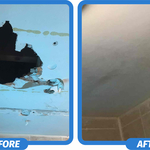
"The service was incredible. The response time was quick. He came out and gave an estimate within a day. The paint job and drywall repair looks amazing! They took care to protect our furniture and floors from drywall dust. I highly recommend them."
Additional Photos
Additional Photos
Additional Photos
Additional Photos
Additional Photos

+166

Response time2 days
2 neighbors recently requested a quote
Recommended by95%of homeowners
Avatar for Marotta Home Improvements
Marotta Home Improvements
4.4(
24
)

Serving Hempstead, NY and surrounding areas

Approved

In business since 1983

Free estimates

Emergency services offered

"Tom did a tremendous job. We needed our peak done in our back room as well. We did not have the right tape on it the first time and it was bubbling and coming off, he used the correct mesh tape and I have to tell you it looks amazing. Always gave me a heads up when on his way and very fair priced. Walls came out amazing highly recommended."
grasso
grasso
burllo
joan
conter

+20

Response time5 hrs
Response rate94%
12 neighbors recently requested a quote
Avatar for BuildingLI.com - BLI Facilities LLC
BuildingLI.com - BLI Facilities LLC
5.0(
32
)

Serving Hempstead, NY and surrounding areas

Approved

In business since 2017

Free estimates

Emergency services offered

"Moises and Edward and the crew did a repair of my facia. They told me to get PVC so it would last longer. They also repaired cracked walls and ceiling and painted. They did perfect work. Did so good I kept finding more work for them because it looked so good. They are so polite and respectful and right on time. Also they are very fair with their prices and don't push for or more work. I now consider them friends. Don't waste you're time because you won't beat their prices. They can do anything too. Bathroom, kitchen, floors. I will hire them again they are the best."
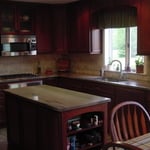
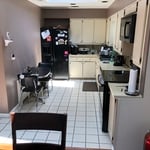
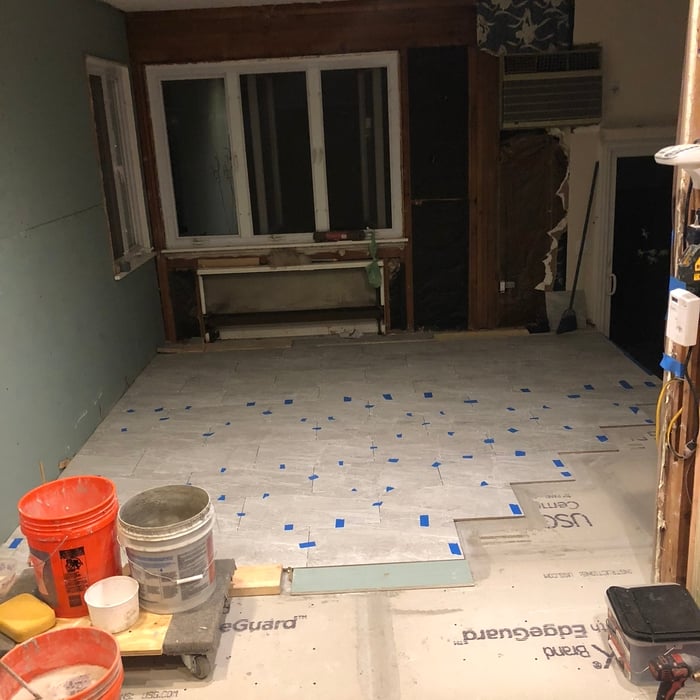
before demo
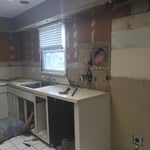
kitchen demolition
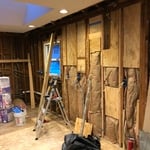
demolition complete
kitchen tile job in progress
kitchen tile

+172

Response time7 hrs
Recommended by76%of homeowners
...
Showing 1-10 of 869
Drywall questions, answered by experts

Although they are used for similar tasks, spackle and joint compound are not the same. Joint compound, also known as drywall mud, consists of limestone and gypsum and is primarily used for large-scale projects like taping and finishing seams on new drywall. Spackle is composed of gypsum and binding agents, making it a thicker compound best suited for small wall repairs like filling nail holes or cracks, as it dries quickly and is easy to sand. For small repairs, either product can be suitable. However, you can use joint compound for small jobs in place of spackle, but you cannot use spackle for large-scale taping and mudding projects.

Plastering and skimming are two different techniques for finishing walls. Plastering involves applying a thick layer of a plaster mixture—typically containing gypsum, lime, cement, sand, and water—to create a new surface. This process often requires multiple coats and is used for repairing significant damage or creating decorative textures. Skimming, on the other hand, is a technique that involves applying a thin layer of drywall compound or joint compound over an existing surface to smooth it out, covering minor imperfections, small cracks, or uneven textures for a polished look. Plastering is generally more costly and labor-intensive than skimming. Although some people use the terms interchangeably, they refer to different processes and materials.

Yes, you can apply new plaster over an existing plaster surface, such as a wall or ceiling, provided the old plaster is in good condition. Before you begin, check the stability of the existing plaster. The surface must be clean, free of loose material, and have no peeling paint. It is also recommended to roughen the surface slightly to promote adhesion. For older plaster, applying a base coat like a PVA emulsion or a specific bonding agent or primer is crucial. This step makes the existing plaster less porous and ensures the new and old layers adhere properly for a smooth, long-lasting finish.
In framing, studs are placed at 16-inch intervals to coincide with the typical spacing of wall materials such as drywall or plywood. This spacing is called "on-center" and is necessary for maintaining structural stability and efficient use of materials. The 16-inch spacing also helps to distribute the weight evenly across the building's structure. For those looking to cut material costs and improve energy efficiency, 24-inch stud spacing can be employed through a method called "advanced framing". This requires careful planning and adherence to local building codes to ensure structural integrity.

The easiest way to remove texture from walls is the soak-and-scrape method. You’ll need to spray a section of the wall with water and let the water soak in and soften the texture. Then, you need to scrape the texture off using a drywall taping knife. This method works best with unpainted walls since paint prevents water from saturating the textured joint compound.

The Hempstead, NY homeowners’ guide to drywall services

From average costs to expert advice, get all the answers you need to get your job done.