








Top-rated drywall pros.

Get matched with top drywall pros in Lawrence, NY

Enter your zip and get matched with up to 5 pros

Need a pro for your drywall service project in Lawrence, NY?

Select your specific project to find the pro for you.

TRUSTED BY LAWRENCE, NY HOMEOWNERS

  • Average homeowner rating star icon4.5
    Average homeowner rating
  • Verified reviews icon73
    Verified drywall services reviews

Find Drywall pros in Lawrence

Avatar for BuildingLI.com - BLI Facilities LLC
BuildingLI.com - BLI Facilities LLC
5.0(
32
)
Drywall - InstallDrywall - Install - For BusinessDrywall - Repair+1 more

Serving Lawrence, NY and surrounding areas

Approved

In business since 2017

Free estimates

Emergency services offered

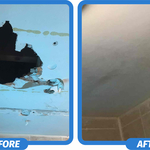
"Eddie was great to work with! We had a limited time frame to adhere to town inspections and Eddie and his team knew exactly what we needed and quickly got the job done. The results were great and even the inspector acknowledged the impressive repair. They were able to put a knocked out garage wall back on the foundation and repair the interior dry wall. I would recommend this company for any professional contract work due to their reasonable price, ease to work with and quality of work."
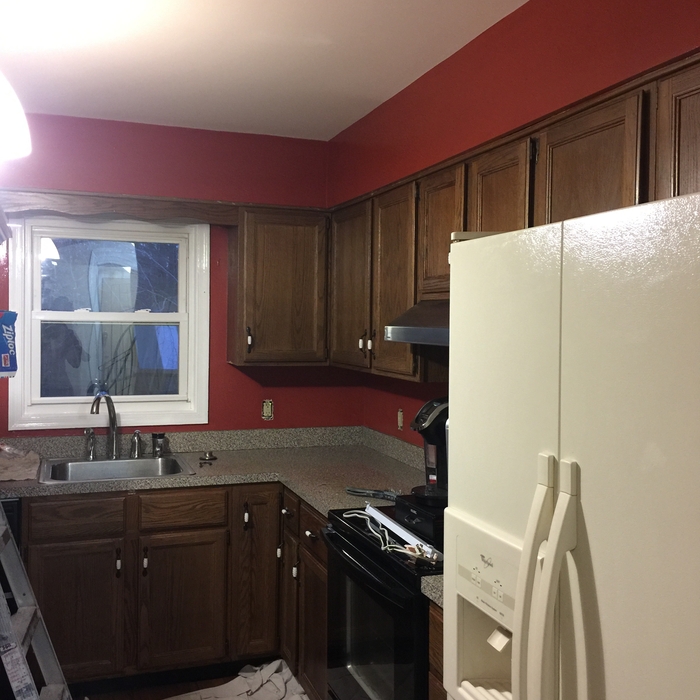
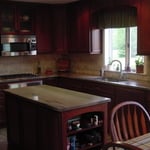
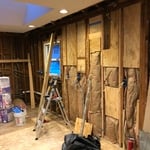
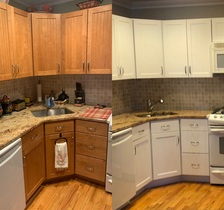
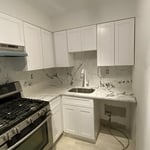
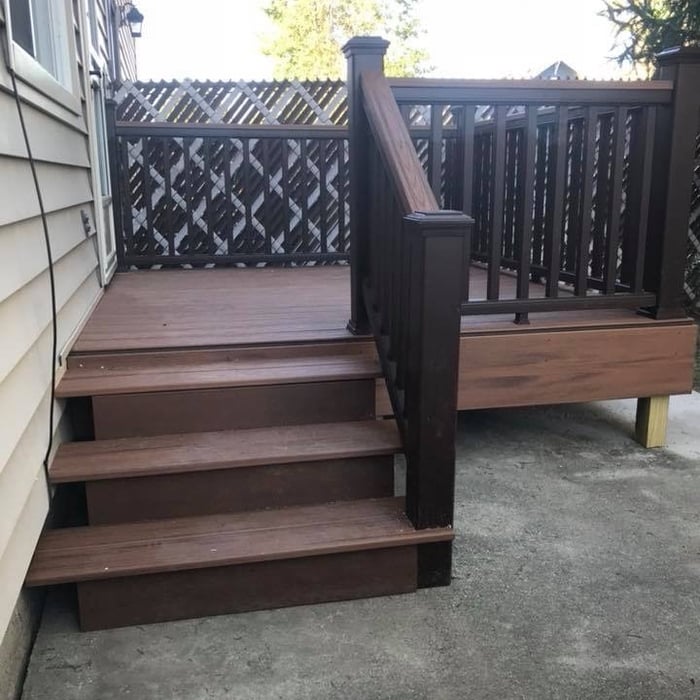
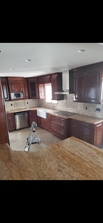
before demo
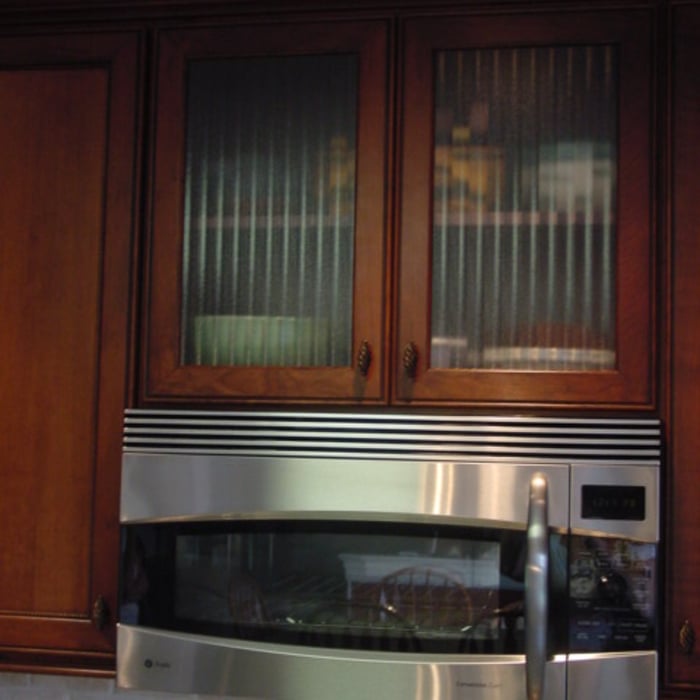
kitchen demolition
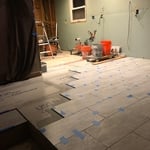
demolition complete
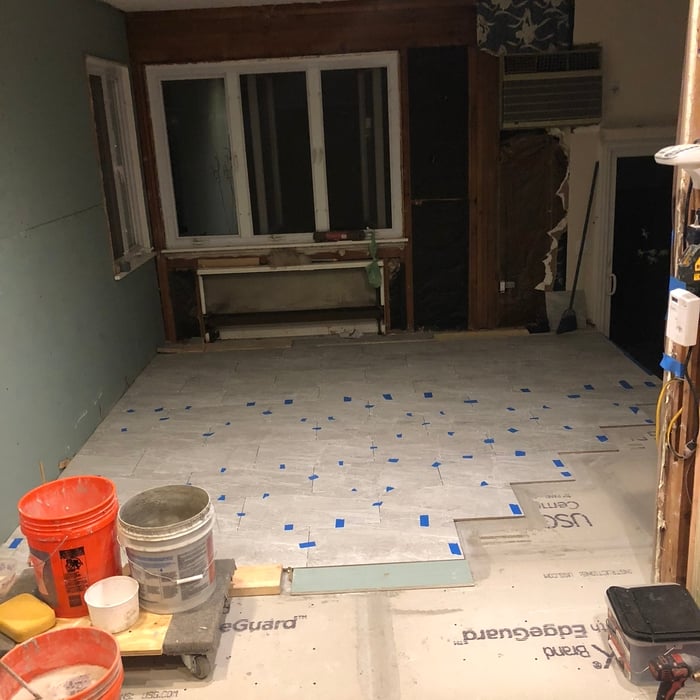
kitchen tile job in progress
kitchen tile

+172

Response time7 hrs
Recommended by76%of homeowners

...
Showing 1-10 of 683
Drywall questions, answered by experts

In framing, studs are placed at 16-inch intervals to coincide with the typical spacing of wall materials such as drywall or plywood. This spacing is called "on-center" and is necessary for maintaining structural stability and efficient use of materials. The 16-inch spacing also helps to distribute the weight evenly across the building's structure. For those looking to cut material costs and improve energy efficiency, 24-inch stud spacing can be employed through a method called "advanced framing". This requires careful planning and adherence to local building codes to ensure structural integrity.

Water-damaged drywall should almost always be replaced. Not only does it look bad, it’s a breeding ground for toxic mold. Even if you think the area is dry and there’s no active leak, the only way to be sure is to cut out the damaged area and see for yourself.

You’ll want to inspect your plaster walls for signs of damage before painting. If you notice soft spots, deep cracks, bubbling, or areas where the plaster is crumbling or pulling away from the wall, it likely needs repair. While small hairline cracks are common and likely cosmetic, you should address larger issues before painting to ensure a quality, smooth finish.

You should leave a gap between drywall sheets because they naturally expand and contract along with the building framing as temperature and humidity change. Most pro drywall installers leave a gap of about ⅛ inch between drywall sheets, allowing the sheets to expand, contract, and shift without cracking or becoming damaged. If you don’t leave enough gaps between slabs, the edges will press against each other when they expand, and the pressure can cause visible cracks.
When choosing materials for finishing basement walls, consider factors such as moisture resistance, durability, and fire resistance. Opt for materials specifically designed for basement environments, like moisture-resistant drywall or cement board. Insulation with vapor barriers can help regulate temperature and prevent condensation. Consider using mold-resistant paints or coatings. 
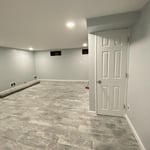
Research and consult with experts to select materials that are suitable for your specific basement conditions and intended use. Prioritize quality and compatibility to achieve long-lasting and aesthetically pleasing results.

The Lawrence, NY homeowners’ guide to drywall services

From average costs to expert advice, get all the answers you need to get your job done.