
Top-rated drywall pros.

Get matched with top drywall pros in New Windsor, NY

Enter your zip and get matched with up to 5 pros

Need a pro for your drywall service project in New Windsor, NY?

Select your specific project to find the pro for you.

TRUSTED BY NEW WINDSOR, NY HOMEOWNERS

  • Average homeowner rating star icon4.6
    Average homeowner rating
  • Verified reviews icon89
    Verified drywall services reviews

Find Drywall pros in New Windsor

Avatar for Veterans Tile
Veterans Tile
4.9(
71
)
Drywall - Repair

Serving New Windsor, NY and surrounding areas

Approved

In business since 2018

Free estimates

Emergency services offered

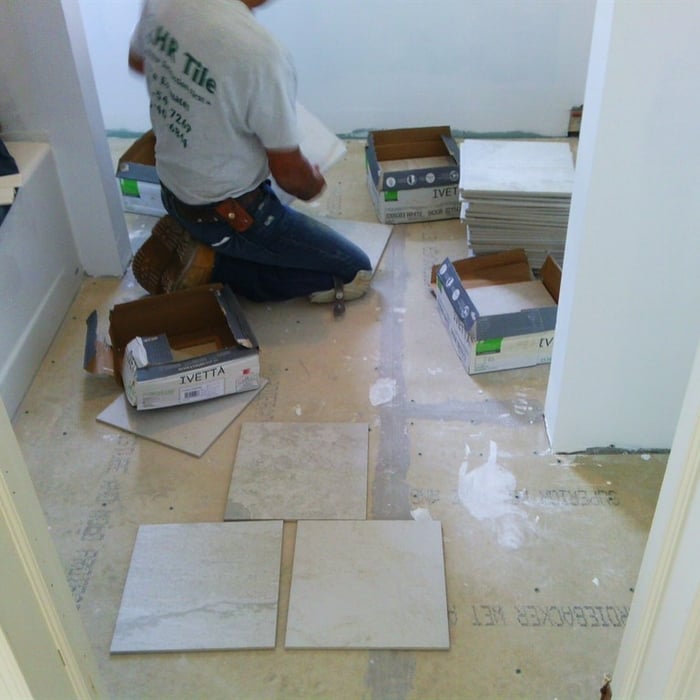
"I hired this company to install a tile floor in my kitchen. They did an awesome job!!! They were very professional and knowledgeable. I have already recommend them to a friend, and plan on hiring them for my next project.."
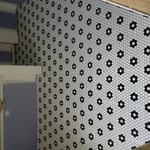
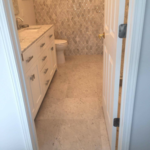
Bathroom remodel
Bathroom remodel
Bathroom remodel
Bathroom remodel
Bathroom remodel

+8

Response time1 day
4 neighbors recently requested a quote
Recommended by91%of homeowners
Avatar for Z&O Home Improvement Corp.
Z&O Home Improvement Corp.
4.6(
106
)
Drywall - InstallDrywall - Repair

Serving New Windsor, NY and surrounding areas

Approved

In business since 2016

Free estimates

Credit card accepted

ZNO HOME IMPROVEMENT, is your locally owned and operated business with over 15 years experience. We pride ourselves on giving the best customer service along with paying extreme attention to detail. Call us today for an estimate.

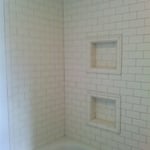
installing Tile bathroom
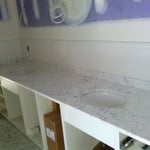
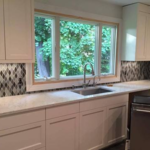
kitchen remodition
2 neighbors recently requested a quote
Recommended by91%of homeowners
...
Showing 1-10 of 398
Drywall questions, answered by experts

You should leave a gap between drywall sheets because they naturally expand and contract along with the building framing as temperature and humidity change. Most pro drywall installers leave a gap of about ⅛ inch between drywall sheets, allowing the sheets to expand, contract, and shift without cracking or becoming damaged. If you don’t leave enough gaps between slabs, the edges will press against each other when they expand, and the pressure can cause visible cracks.

All plaster walls will crack over time due to normal house settling and expansion and contraction from temperature and moisture changes. Small, thin hairline cracks are generally not serious and are mostly a cosmetic issue. However, larger or more significant cracks can indicate structural problems.

Here's how to tell the difference:

  • Cosmetic Cracks: Cracks that are 0.5 cm (0.2 inches) or thinner are typically cosmetic.

  • Structural Cracks: Cracks wider than 0.5 cm, excessive or deep cracks, multiple cracks in the same area, or cracks that span around corners can signify a structural or foundation issue. Cracks along the joints where walls meet the ceiling also warrant attention.

For cracks wider than 0.5 cm, structural repair is needed. If a crack is 2.5 cm (1 inch) or wider, or if you notice any signs of a structural problem, it is best to contact a plaster repair professional to assess the damage.

You can skim coat plaster, but it’s better to repair the plaster itself. A skim coat is a thin coat of drywall joint compound spread over the surface of a wall. The result is a flat finish that looks pleasing, but part of the appeal of plaster is its imperfections and aesthetic. Skim coating is best when limited to drywall applications.

Very little. One inch of water can stain walls, warp wood, and create a perfect environment for mold growth. One to two inches of water can do significant damage to drywall, insulation, and electrical systems. Anything over that is considered an extensive flood, often resulting in severe structural damage.

Plastering and skimming are two different techniques for finishing walls. Plastering involves applying a thick layer of a plaster mixture—typically containing gypsum, lime, cement, sand, and water—to create a new surface. This process often requires multiple coats and is used for repairing significant damage or creating decorative textures. Skimming, on the other hand, is a technique that involves applying a thin layer of drywall compound or joint compound over an existing surface to smooth it out, covering minor imperfections, small cracks, or uneven textures for a polished look. Plastering is generally more costly and labor-intensive than skimming. Although some people use the terms interchangeably, they refer to different processes and materials.

The New Windsor, NY homeowners’ guide to drywall services

From average costs to expert advice, get all the answers you need to get your job done.