With several years experience, we work hard to bring each customer the best possible service and quality available. We look forward to working with you on your next project. We take great pride in our experience, expertise, quality, and customer service that we provide to meet the consumer's needs. It is our mission to provide excellent workmanship and complete customer satisfaction from start to completion of a project. In order to understand the needs and expectations of our customers, we take great care to work and communicate with every customer in a professional manner. Our reputation is based on service, safety, and quality, regardless of how large or small the job. We welcome your questions and thank you for your interest. Call today!
"EXCELLENT service is an understatement! All of my issues were resolved and any questions I had about certain electrical issues were all looked at and/or fixed. I could not be happier with the work! Definitely will call them again in the future for any of my needs!"
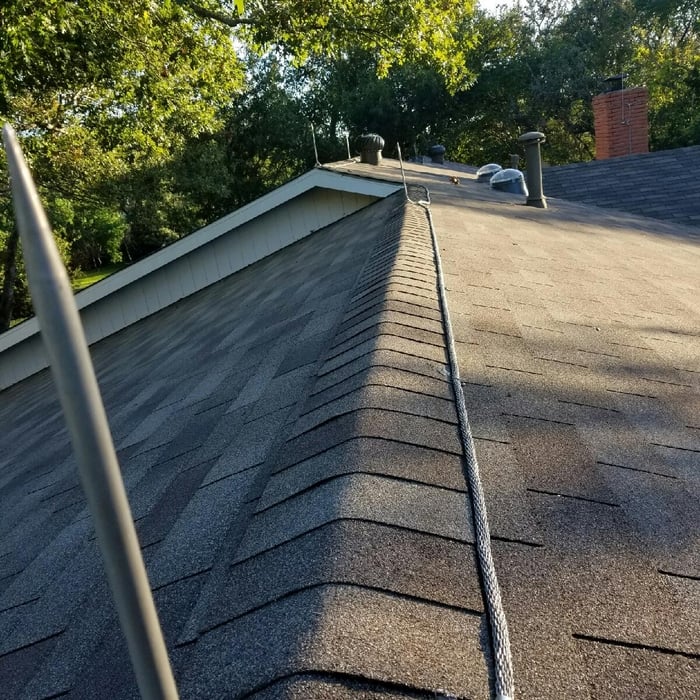
"Jim for Donhohues Lightning Rods installed the lightning rod system in my home. When the work was done I was very happy as their installer came as per promised time, and perform the work. Before giving them the work Jim completely sold me their work ethics, quality, and service. There was a minor issue and his team took complete ownership of this issue and talked to me in detail. They provide a very good explanation to satisfy me. I am a happy customer."
"WB Lightning is focused on customer service. The company provided good communication and responded very quickly to my inquiry for a quote. WB Lightning is a respected company, I had another electrical service provider tell me I made a good choice when I hired WB Lightning Rods."
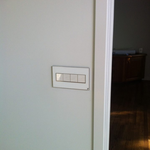
"The problem turned out to be a burned out small electric door switch. I believe the price was way too expensive for the service performed and the price of the door switch. What more can I say? It got done."
"Far and away the best service I've ever received. I've contacted several companies attempting to solve my electrical issues, and couldn't get anyone to come out. Not only did he arrive on a Saturday, but fixed the issue without a problem and with a quickenss. If I could leave 10 stars, I would. Highly recommend him for all your electrical needs!"
"They were called on a Sunday, because we had no power upstairs. They came less than 2 hours after calling, and fixed our wiring issues! They were prompt, courteous, and very polite. I will DEFINITELY refer family and friends to New Beverly Electrical! Thank you for your hard work guys!!!!"
"Electrical work was done well in advance of the roofing job. Electrician returned at the end of the ice melting cable installation job to make an alteration to the outlets which was a decision made during the roofing and installation job. Electrician was very neat and accomodating. "
"Job was done as requested and then some; services included additional recommendations for outlet placements, outdoor lighting and purchase of required smoke detector to meet code. Great job, great people, excellent communication throughout."
If wiring in a relatively modern home is damaged due to sudden events like a fire, a tree falling into the house, or a flood, then homeowners insurance is very likely to cover the cost of replacing the wire.
However, if it’s determined that wiring failed or started the fire because of age, neglect, or not meeting current electrical standards, then insurance won’t be covering any replacement. Also, insurance policies may charge more for particularly old kinds of wiring like aluminum wiring or deny applications altogether.
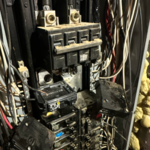
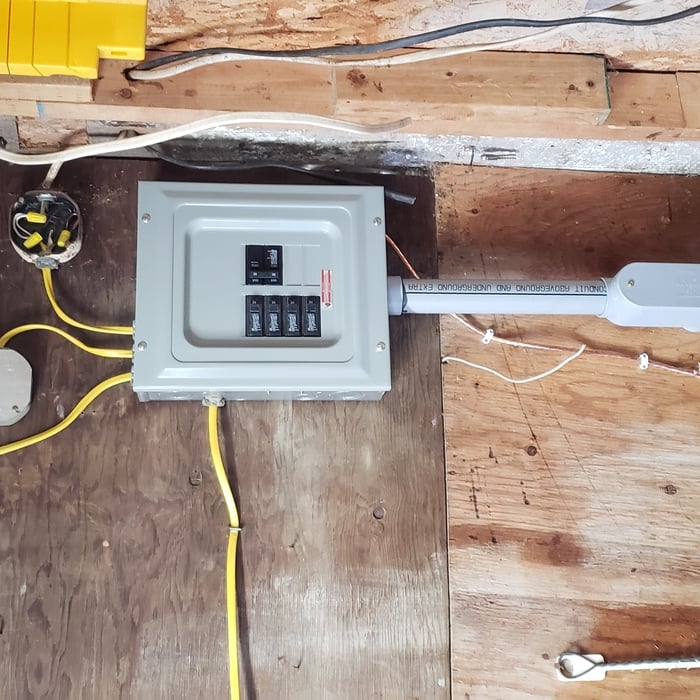
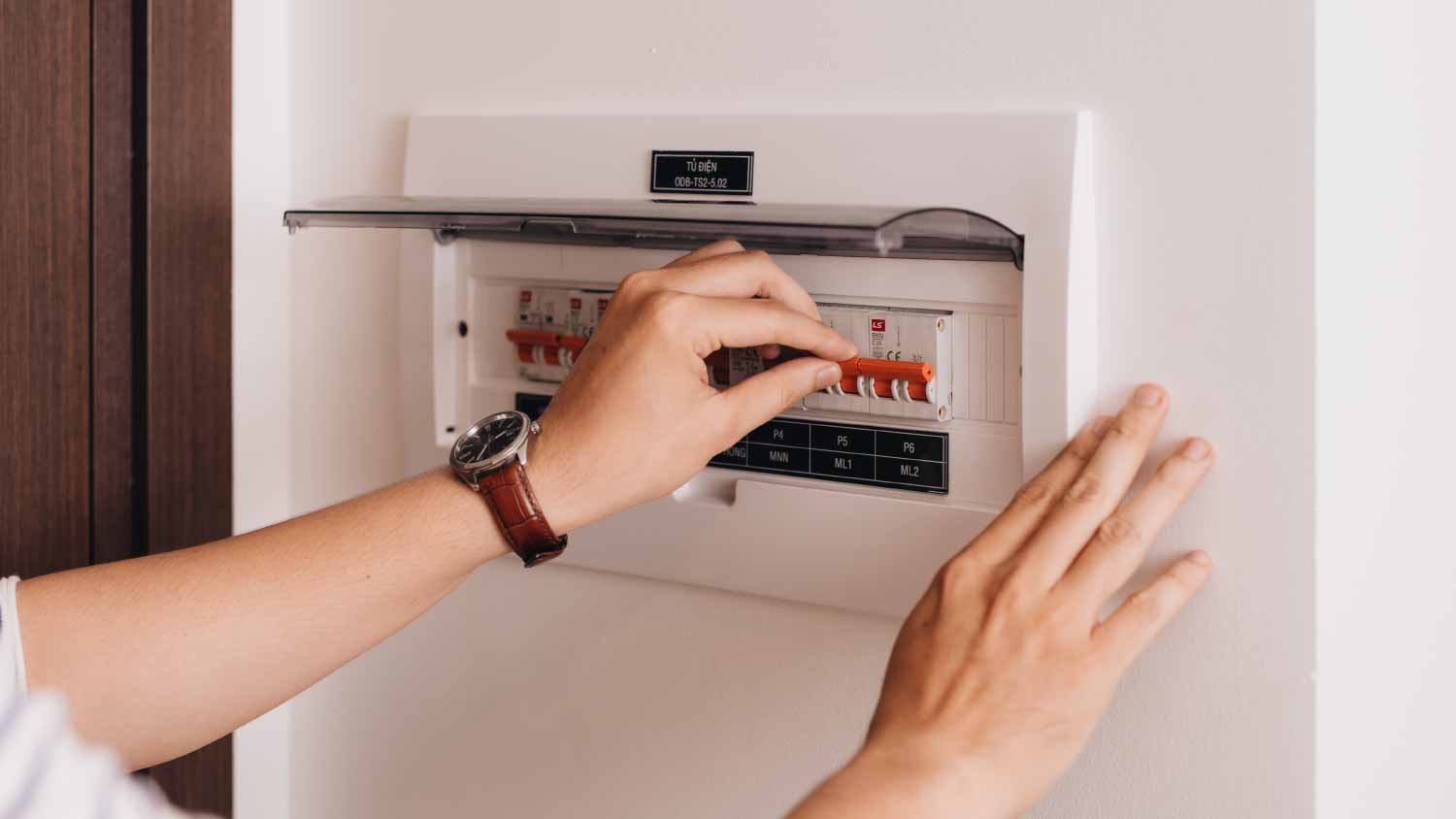
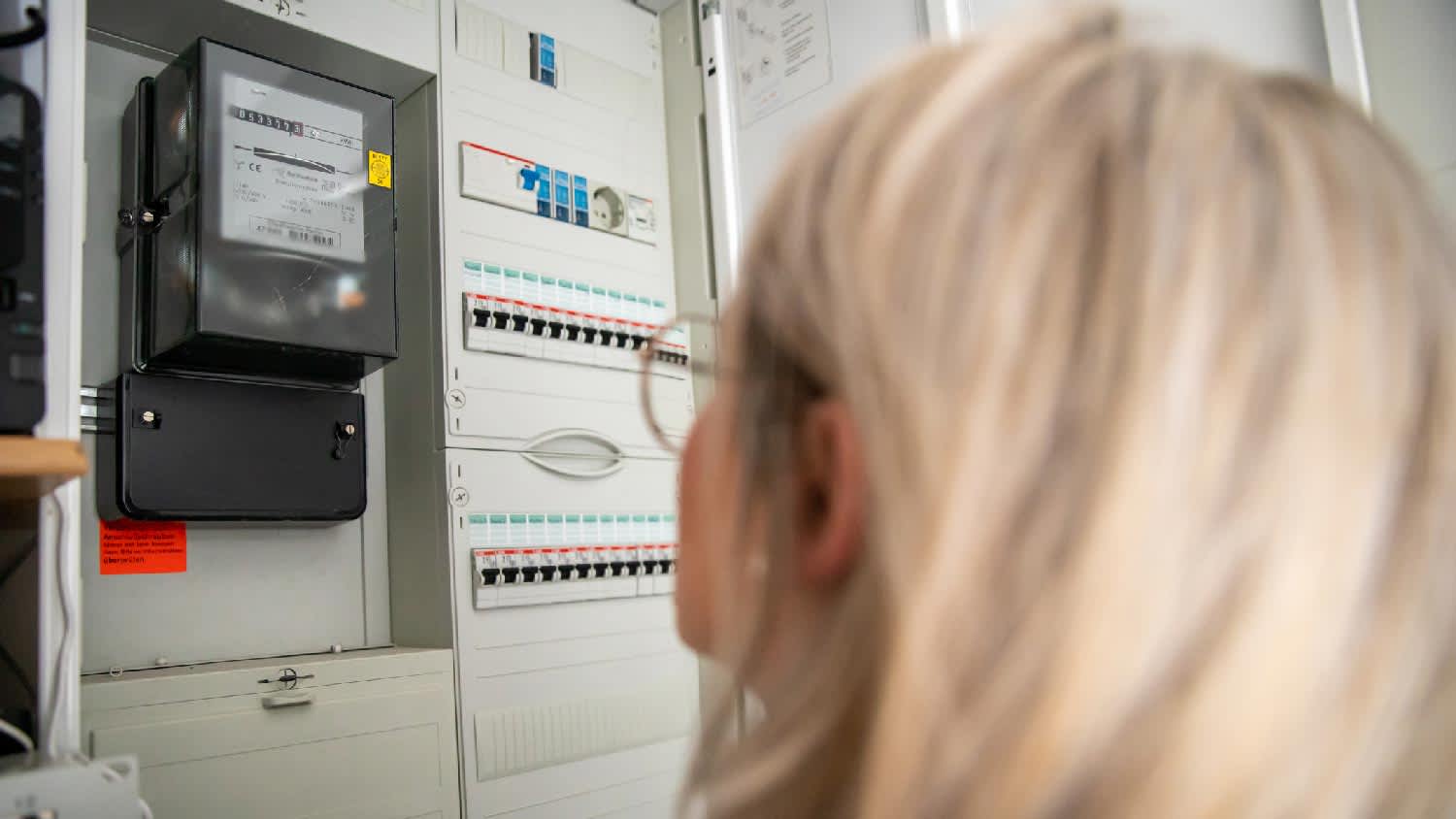
There are many signs it is time to replace an electrical panel, starting with flickering lights. Other tell-tale signals include overheating appliances, light fixtures that cause an electric shock, hissing or crackling from the breaker box, burned or blackened spots near the breaker box, and breakers that trip whenever activating power-hungry appliances like microwaves.
Yes, but our analogy with the water hose doesn’t really work here. You see, electrical flow isn’t constant: It ebbs and flows like waves, coming in pulses of power. Hertz measures the rate of change in the flow of electricity, or how often it ebbs and flows. For example, 60Hz means that the electrons pulse through wiring 60 times per second. When they are pulsing, they’re in a brief retreat. Almost all United States equipment is rated for 60Hz.
A gas stove doesn't always need a dedicated circuit. Unlike an electric range, which uses 240 volts and requires a 240-volt receptacle, a gas stove only uses 120 volts. In some cases, your electrician will need to replace the existing two-pole circuit breaker with a single-pole circuit breaker as well as swap out the existing 240-volt receptacle with a 120-volt replacement.
It’s a great idea to replace and update outlets, especially if an outlet stops working. New outlets work well with modern appliances and devices. Over time, outlets become old and worn—they can even become damaged, cracked, and burnt if the wiring is old and outdated. Old outlets and wiring can cause smoke, sparks, flickering lights, and an electrical fire.
The Meredith, NY homeowners’ guide to electrical services
From average costs to expert advice, get all the answers you need to get your job done.
Is it time to upgrade your electrical panel? For the sake of safety, find out sooner than later by exploring our top signs that it’s time for an upgrade.