


Top-rated painters.

Get matched with top painters in Lyons Falls, NY

Enter your zip and get matched with up to 5 pros

Need a pro for your painting project in Lyons Falls, NY?

Select your specific project to find the pro for you.

Find Painters in Lyons Falls

Avatar for GOKEYs Painting & Const
GOKEYs Painting & Const
5.0(
6
)
Exterior Home or Structure - Paint or StainExterior Home or Structure - Paint or Stain: LargeInterior Home or Surfaces - Paint or Stain+7 more

Serving Lyons Falls, NY and surrounding areas

In business since 1998

Free estimates

"Chris was very motivated and started the job promptly. His work ethic was great, staying late a couple of days late to complete job on time as agreed. He reviewed any issue found and was flexible when extra work was needed. The quality of the work was great in making the breezeway siding look the same as the garage, so with the paint job the house/garage improvement was dramatic. His pricing was reasonably and his clean-up appreciated. We would definitely recommend Chris to others and would engage him for work ourselves."
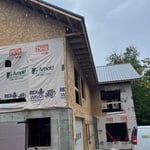
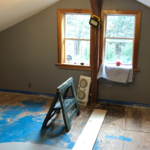
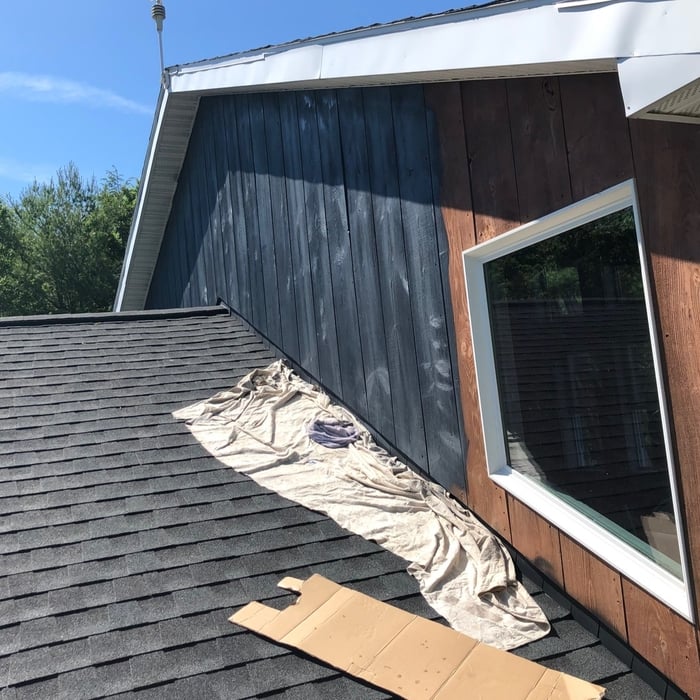
second story done with painting and before pictures of first level of house
SIMPLE MSI FLOORING INSTALL
Framing Walls & stairs assist
After carpet removal
finished roof and painting exterior of house

+53

Recommended by100%of homeowners
...
Showing 1-10 of 82
Painting questions, answered by experts

Limewash and whitewash are two techniques used to give brick a light, matte finish, but they differ in composition, application, and permanence. The best choice depends on your aesthetic goals and the specific surface.

Composition

  • Limewash: A natural and environmentally friendly option made from limestone, water, and sometimes pigments. It is breathable and soaks into porous surfaces like brick.

  • Whitewash: Traditionally made from lime, water, chalk, and binders, but a similar look can be achieved with watered-down white paint. It is paint-based and sits on top of the surface.

Appearance and Finish

  • Limewash: Provides a natural, textured appearance that allows the brick's character to show through. It offers a more traditional finish.

  • Whitewash: Creates a softer, more opaque finish, often used for a rustic or shabby-chic style.

Application and Permanence

  • Limewash: Is semi-permanent and can be removed, making it a good choice if you might want to change the look in the future. It requires more skill to apply and cannot be used on previously painted brick.

  • Whitewash: Is a more permanent solution. It is more forgiving to apply and can be used on painted brick. However, because it sits on the surface, it can trap moisture.

Ultimately, if you want a breathable, natural, and reversible finish for unpainted brick, limewash is a great option. If you need a more permanent, opaque coating that can be applied over painted surfaces, whitewash is the better choice. Whitewashing may also be more economical, costing approximately $1.40 to $4.20 per square foot.

Wood stains last anywhere from two to five years, depending on exposure to the elements, your local climate, the type of stain, and the surface it’s on. For instance, vertical surfaces last longer than horizontal surfaces. Some types of woods, like dense hardwoods, will require a recoat yearly, as they are too dense for the stain to absorb. In any event, apply a recoat every 2 to 4 years. As for storage, a can of unopened stain can last up to 5 years, though results may vary.

Yes, you can and should paint or stain pressure-treated wood, as this helps prevent the surface from cracking. However, it is crucial to wait for the wood to dry out completely from the chemical treatment process before applying a finish. If the wood is still wet, the paint will not adhere properly. The drying time can range from weeks to six months. To test if the wood is ready, drip some water onto a board. If the water is absorbed, the wood is dry enough for painting or staining. If the water beads up on the surface, it needs more time to dry. You can build with the wood while it's still wet, but you must wait for it to dry before painting.

When applying multiple coats, wait four to six hours for each coat to dry. Not waiting long enough can result in streaks, peeling, and uneven color. Plus, it will be more difficult to discern where the second coat has already been applied.
The best way to prepare your vinyl fence for a paint job is to clean it with warm, soapy water and rinse it with a hose or pressure washer on a low setting. Be sure to let it totally dry, then sand the surface before applying an epoxy-based primer. After the primer, you're ready to paint your vinyl fence.

The Lyons Falls, NY homeowners’ guide to painting services

From average costs to expert advice, get all the answers you need to get your job done.