



Top-rated electricians.

Get matched with top electricians in Little Neck, NY

Enter your zip and get matched with up to 5 pros

Need a pro for your electrical service project in Little Neck, NY?

Select your specific project to find the pro for you.

TRUSTED BY LITTLE NECK, NY HOMEOWNERS

  • Average homeowner rating star icon4.6
    Average homeowner rating
  • Verified reviews icon574
    Verified electrical services reviews

Find Electricians in Little Neck

Avatar for Iron Wire Electric
Iron Wire Electric
4.8(
25
)
Electrical Switches, Outlets & Fixtures - Install or RepairElectric Vehicle Charging Station Installation - Materials Not ProvidedElectrical Wiring or Panel Upgrade+4 more

Serving Little Neck, NY and surrounding areas

Approved

In business since 2017

Free estimates

Credit card accepted

"Awesome, caring, and knowledgeable Electrician. Very trustworthy and will wire your home like his mother lived in it. Will wire your home above par and never below par. Is in depth at helping you even design or choosing the most appropriate , wire panel, etc. Nice person and very customer service oriented."
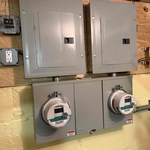
Electrical panel
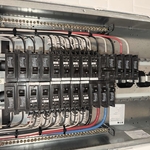
Electrical panel
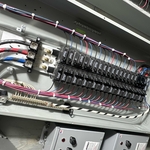
Electrical panel
Electrical panel
Lighting fixtures

+4

40 neighbors recently requested a quote

Recommended by4%of homeowners
JLV Electrical
5.0(
15
)
Electrical Switches, Outlets & Fixtures - Install or RepairCeiling Fan - InstallElectric Vehicle Charging Station Installation - Materials Not Provided+12 more

Serving Little Neck, NY and surrounding areas

Approved

Super Service Award Winner

In business since 2010

Free estimates

Emergency services offered

"Nice guy who was prompt,courteous, and did a perfect job. The price was fair. I now have an electrician for future needs. Hire him at once if you need electrical work done."
Response time1 day
Response rate91%
19 neighbors recently requested a quote

Avatar for Home Improvement Advisor
Home Improvement Advisor
4.9(
194
)
Electrical Wiring or Panel Upgrade

Serving Little Neck, NY and surrounding areas

Approved

Free estimates

Credit card accepted

Customers say: True professional

"I used Home Electric Advisor to install a new outlet under my sink. Ali came in and did an excellent job. Pricing was upfront and very reasonable. Would highly recommend for any electrical work!"
Advisor
2 neighbors recently requested a quote

Recommended by87%of homeowners
...
Showing 1-10 of 1237
Electrical questions, answered by experts

The dials on an electrical meter simply represent the number of kWh you have used since it was installed. In a five-dial setup, the left-most dial represents tens of thousands of kWh, while the next dial to the right represents thousands of kWh. The following dials going to the right represent hundreds, tens, and ones.

Choosing between 12- or 14-gauge wire for your house depends on the electrical requirements of the circuit. A 12-gauge wire is thicker and can handle more power, making it better suited for devices such as kitchen appliances, air conditioning units, or electric heaters.

A 14-gauge wire is thinner and can handle less electrical current than a 12-gauge wire. It's ideal for circuits with lower power requirements, such as lighting or general-purpose outlets in bedrooms or living rooms.

Typically, refrigerators should not be plugged into GFCI outlets. This is another appliance with a motor that can be prone to a little current leakage. Using a standard outlet saves nuisance tripping and the potential of waking up to a refrigerator full of warm food. The only exception is when the refrigerator is in a garage, where all outlets must be GFCI.

The light that your ceiling light gives off will largely depend on the type of light bulb that’s installed in it. If you’re looking to brighten a dark room, LED bulbs are the way to go. LED bulbs will emit the most light while also using less energy than standard bulbs. They can last up to 50,000 hours and will need to be replaced much less often than standard bulbs.

The key difference between a circuit breaker versus a surge protector is that circuit breakers shield your entire electrical system from overcurrents and faults, while surge protectors defend your electronic devices against voltage surges and spikes. A circuit breaker interrupts the flow of electricity in a circuit when it detects an overload or short circuit, protecting the wiring from damage and preventing fires. In contrast, a surge protector shields electronic devices from voltage spikes, such as those caused by lightning strikes or power surges, preventing damage to the device’s inner mechanics.

The Little Neck, NY homeowners’ guide to electrical services

From average costs to expert advice, get all the answers you need to get your job done.