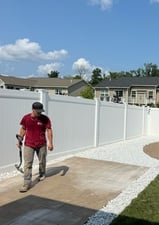
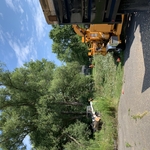
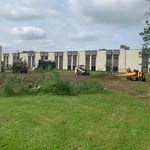
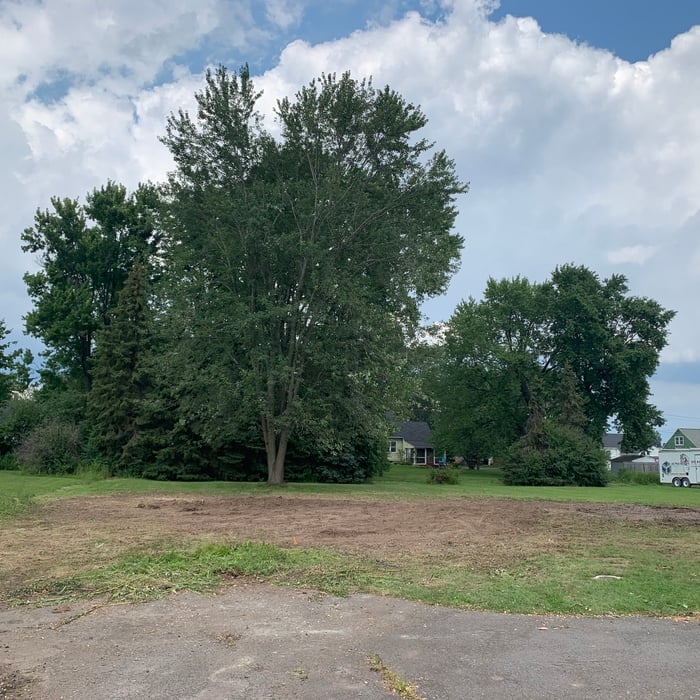
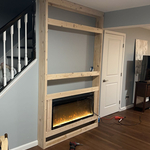
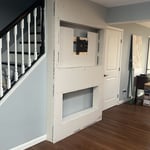
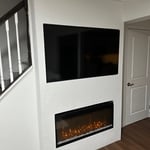
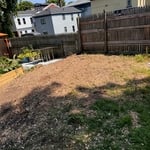
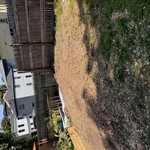
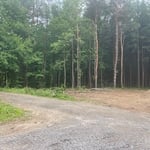
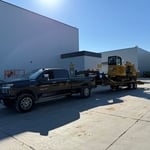
"They were good to work with, coordinated with my well company, cleaned the place up and even hand racked the area afterwards. They were just fabulous."
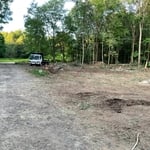
"Very Professional , they did a fantastic job removing dead ash trees and cleaning up after .... They accommodated my specific times of coming to give me the quote and then as promised they called ahead and showed up and worked the whole time they were here. ... Very satified with the job.... and the price...... my neighbors noticed the work they did also and they were impressed.... I found them in the Clipper Magazine and glad of it.... What a great team working well together..... Thank you!!!!!!"
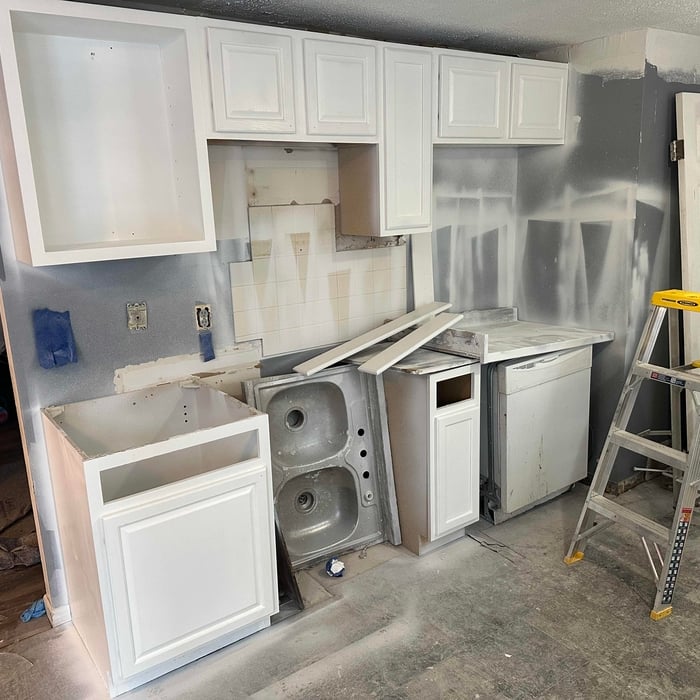
"I need my house repainted. I?m very happy with Sergey?s work. He was easy to communicate with, showed up on time and did the work efficiently and professionally! Everything turned out great. Highly recommend!"
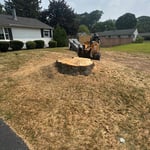
"Rapid response to my request for a large stump removal on my property. Took less than a half hour. Very efficient, professional and reasonably priced. I highly recommend this service!"
"Showed up very professional, got the job done in a timely fashion and checked up through the process of the job to make sure it was getting done the way I wanted. Would highly reccommend to others looking for any prep work or landscaping needs"
Hi I’m Tyler owner/operator of Hohm Tree Removal & Excavation LLC. I have over 12 yrs experience in the industry of skills I’m providing. My goal is to do the job safely and in a timely manner. With the customer completely satisfied with the completion of there project.
The best way to protect tree roots is to avoid the roots entirely by excavating outside the root radius of the tree. For nearby projects, it’s a good idea to construct a temporary retaining wall. But that’s not always possible, depending on the project and the root system. In these cases, consider using alternative equipment like an auger to tunnel under the ground.
Remember, tree roots can damage nearby cement foundations as they grow. If a tree is close enough to interfere with large excavations, it may be better to remove the tree than risk future problems.
Yes. A metal detector is one of the quickest and easiest ways to find your septic tank. However, metal detectors can be too expensive (costing upward of $300 in some cases), and not everyone has a metal detector just lying around. If that’s the case for you, you can also take a long metal rod and poke it into the ground at regular intervals until you hit something—likely your septic tank lid.
Excavation is priced in cubic yards, so you’ll need to find the volume of the area in order to calculate costs. Multiply the length, width, and proposed depth of your excavation site, then convert it into yards to get the volume. Multiply this figure by the price per cubic yard.
Most homeowners can measure by hand to get a rough estimate, even if it’s tedious. You may want to pull out a tape measure or use a string to help mark the area.
Most residential basements are 8 to 10 feet deep. You can dig deeper depending on building codes, but it does become more difficult. You’ll likely need to install stronger foundation walls and additional supports to handle the increased load. Depending on the water table, you may also need a water management system. Clay soil can support a deeper foundation than sandy soil. A structural engineer will be able to tell you the maximum, feasible depth.
Most states do not require excavation companies to hold specific licenses, but many require at least a contractor’s license. Additionally, heavy equipment operators require a special commercial equipment license to operate machinery required for excavation. You can use Angi’s contractor licensing tool to confirm that an excavation company you’re considering hiring is fully licensed. You should also make sure that the excavation team is fully insured before allowing them to work on your property.
The Lee Center, NY homeowners’ guide to excavation services
From average costs to expert advice, get all the answers you need to get your job done.
Excavation costs $1,500 to $6,300 for most residential projects—but it depends on factors like the size of the area. This guide will help you plan a budget.
You can't have an in-ground pool without digging into the ground. How much does pool excavation cost, and can you take it on yourself? Our guide explains.