




Top-rated excavation pros.

Get matched with top excavation pros in Blossvale, NY

Enter your zip and get matched with up to 5 pros

Need a pro for your excavation project in Blossvale, NY?

Select your specific project to find the pro for you.

Find Excavation pros in Blossvale

Avatar for Ames Tree Service, Inc.
Ames Tree Service, Inc.
4.9(
21
)
Building Site - Preparation and ClearingBuilding Site - Preparation and Clearing - For Business

Serving Blossvale, NY and surrounding areas

Approved

In business since 2015

Free estimates

Emergency services offered

"Very Professional , they did a fantastic job removing dead ash trees and cleaning up after .... They accommodated my specific times of coming to give me the quote and then as promised they called ahead and showed up and worked the whole time they were here. ... Very satified with the job.... and the price...... my neighbors noticed the work they did also and they were impressed.... I found them in the Clipper Magazine and glad of it.... What a great team working well together..... Thank you!!!!!!"
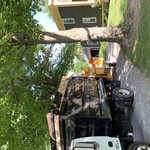
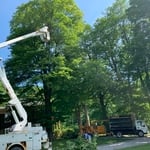
Tree trimming
Tree trimming
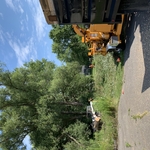
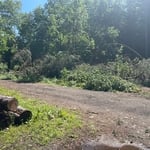
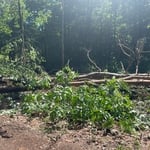
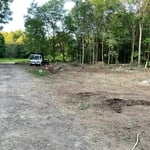
Lot clearing start
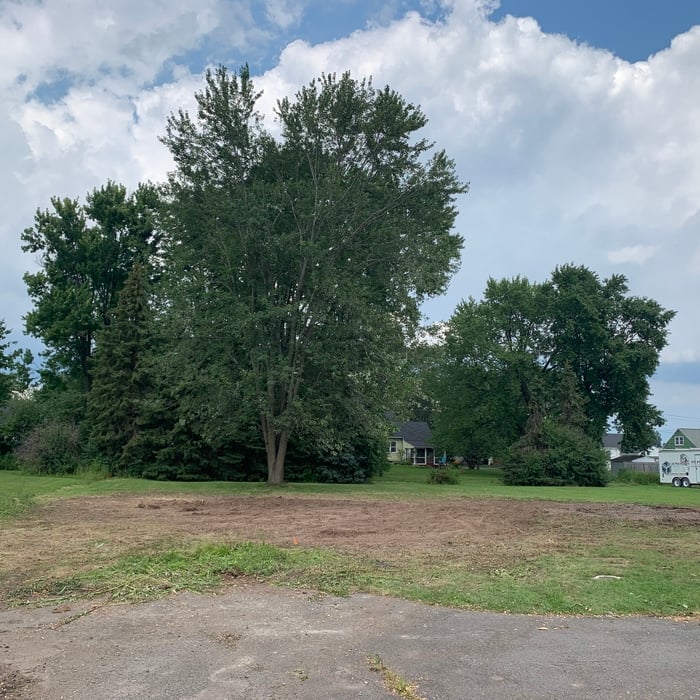
Lot clearing middle
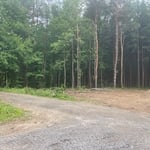
Lot clearing finished

+17

Response time10 hrs
1 neighbors recently requested a quote
Recommended by100%of homeowners
...
Showing 1-10 of 77
Excavating questions, answered by experts

The digging depth will depend on the size of the trencher you use. Even smaller units can dig up to 4 feet deep, which is plenty for a DIY job. However, much larger trenchers can reach a depth of 18 feet and are better used by a team of pro contractors, not a single DIYer. As with all home improvement projects, use the right tool for the job and proceed with caution.

Preparation involves site assessment, clearing debris, grading surfaces, and compacting soil to support stable construction.

We recommend removing the stump, and grinding is a popular way to do it. You can also dig out small stumps or stumps that have fully decayed instead of grinding them. However, don’t try using acids or fire for killing a tree stump, which is a fire hazard and illegal in many areas.

Leaving the stump alone invites eventual problems, including attracting termites, mold, and fungi.

There is no standard depth for burying a septic tank; they are typically buried anywhere from 4 inches to 4 feet underground. The final depth depends on several factors, including the depth of your main sewer line, the height of the bedrock, soil type, local regulations, and the property's landscape. If you plan to grow grass or plants over the tank, a depth of at least 4 to 6 inches is recommended. Deeper tanks can be more difficult to locate, but a septic professional can help find it for you.

No, a ditch isn’t a trench. A ditch is an open, relatively shallow channel that’s carved out of the ground and used for drainage purposes. In contrast, a trench is a deeper excavation that’s entirely underground. Trenches have many uses, including gas lines, sewage systems, and electrical wiring. Unlike trenches, ditches don’t get filled back in with dirt after they’re dug.

The Blossvale, NY homeowners’ guide to excavation services

From average costs to expert advice, get all the answers you need to get your job done.