



Top-rated excavation pros.

Best excavation pros near Kirkland, NY

Enter your zip and get matched with up to 5 pros

Need a pro for your excavation project in Kirkland, NY?

Select your specific project to find the pro for you.

Top-Rated Excavation pros in Kirkland - Updated Nov 2026

Avatar for AJM LAND PROS LLC
AJM LAND PROS LLC
5.0(
6
)
Landscape - Minor Grading or ReslopingBuilding Site - Preparation and ClearingBuilding Site - Preparation and Clearing - For Business+2 more

Serving Kirkland, NY and surrounding areas

Approved

In business since 2025

Credit card accepted

Offers commercial services

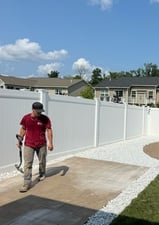
"This business is built on customer service and getting the job done right, very pleased with the work that was done which included a few stumps removed and brush clearing and grading for a driveway. I would recommend this business to anyone who wants the job done right in a timely manner. 10/10 experience."
20 neighbors recently requested a quote
Avatar for Untamed Property Care
Untamed Property Care
New to Angi
Landscape - Minor Grading or Resloping

Serving Kirkland, NY and surrounding areas

Approved

Free estimates

Small jobs welcome

Offers commercial services

At Untamed Property Care, our goal is simple: Take Your Property Back!\n\nBased in the Blossvale and Rome, NY area, we provide dependable property services to help homeowners clean up, maintain, and improve their properties. Our services include lawn mowing and trimming, leaf cleanup, brush and small-tree clearing, woods-edge and trail cleanup, driveway maintenance, and residential snow removal.\n\nWe welcome small jobs and take pride in honest communication, fair pricing, reliable service, and treating every property with care and respect. Whether you need a one-time cleanup or seasonal maintenance, we’re ready to help your property look its best.\n\nLocally based and serving Blossvale, Rome, Camden, Lee, Taberg, Verona, Floyd, and surrounding areas.\n\n

Small land clearing
Small land clearing
...
Showing 1-10 of 87
Excavating FAQs, answered by experts

In most areas, you will need a permit for excavation work, even for projects that only involve grading or yard leveling. Permit requirements depend on your local government and the scope of the project, but they are especially common for significant digging or work that could affect utilities or public property. These permits help protect the local topography and prevent drainage issues. An experienced excavation company will typically know whether permits are needed and can often handle the process of pulling and closing them for you. You can also verify permit requirements by contacting your local building department and describing your project.

The best method for digging a trench depends on the scope of the project. For a short, shallow trench (less than 2 feet deep) in light, soft soil, digging by hand may be sufficient. However, digging by hand is labor-intensive, so consider the effort required. A machine trencher is the better option for longer trenches (over 100 feet), deeper ones, or when dealing with difficult soil conditions, such as rocky or hard ground, or obstructions like tree roots. A machine can save significant time and energy in these situations.

We recommend removing the stump, and grinding is a popular way to do it. You can also dig out small stumps or stumps that have fully decayed instead of grinding them. However, don’t try using acids or fire for killing a tree stump, which is a fire hazard and illegal in many areas.

Leaving the stump alone invites eventual problems, including attracting termites, mold, and fungi.

There is no standard depth for burying a septic tank; they are typically buried anywhere from 4 inches to 4 feet underground. The final depth depends on several factors, including the depth of your main sewer line, the height of the bedrock, soil type, local regulations, and the property's landscape. If you plan to grow grass or plants over the tank, a depth of at least 4 to 6 inches is recommended. Deeper tanks can be more difficult to locate, but a septic professional can help find it for you.

To locate an underground downspout, you should start by identifying where the above ground gutter drains. Look for an entry point, such as a pipe or elbow leading into the ground. Follow the surface path for signs like depressions, landscaping disruptions, or wet areas after rain. You can use a metal detector or plumber’s snake to trace the pipe underground. For deeper pipes, a professional locator tool or camera inspection may be necessary. Visual markers or utility maps can also guide the search.

The Kirkland, NY homeowners’ guide to excavation services

From average costs to expert advice, get all the answers you need to get your job done.