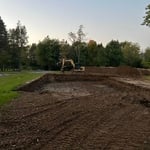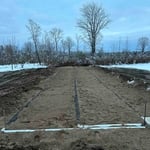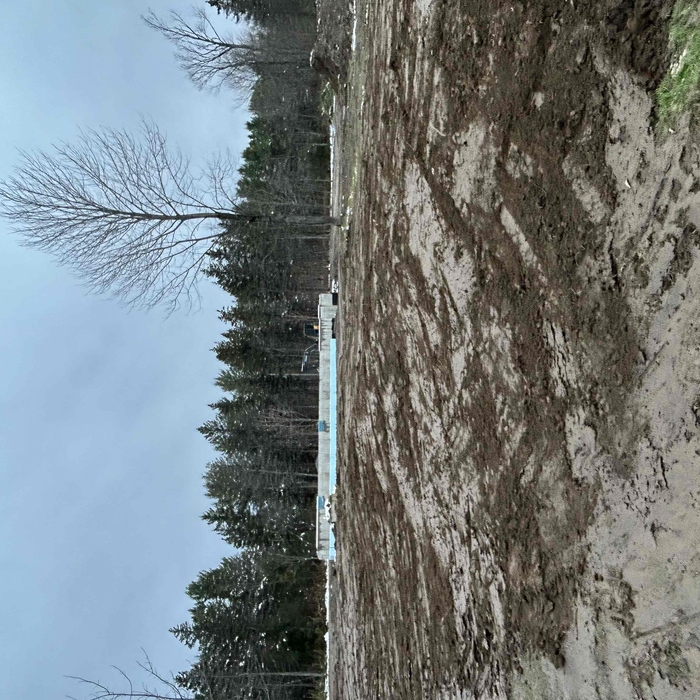
Top-rated excavation pros.

Get matched with top excavation pros in Boonville, NY

Enter your zip and get matched with up to 5 pros

Need a pro for your excavation project in Boonville, NY?

Select your specific project to find the pro for you.

Find Excavation pros in Boonville

Over the Top Unlimited, Inc.
New to Angi
Building Site - Preparation and ClearingBuilding Site - Preparation and Clearing - For Business

Serving Boonville, NY and surrounding areas

Approved

In business since 2023

Free estimates

Credit card accepted

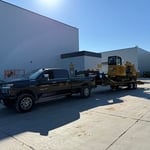
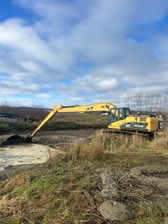
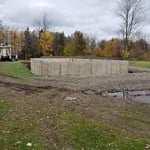
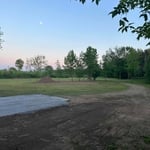
Over The Top Unlimited Inc. is a fully incorporated, licensed and insured excavation and proudly serving Parish, NY and the surrounding areas. Owned and operated by Michael Peters, the company brings over 20 years of hands-on industry experience to every residential and commercial project.\n\nWith a full fleet of heavy equipment and the expertise to handle projects of all sizes, Over The Top Unlimited Inc. specializes in excavation, septic system installation and replacement, foundations, basement and crawl space work, waterproofing, and encapsulation services. Whether preparing a site for new construction, replacing aging infrastructure, or solving drainage and foundation issues, Michael and his team deliver dependable workmanship built to last.\n\nFrom start to finish, clients can expect professionalism, efficiency, and quality results backed by decades of experience in the field.\n

1 neighbors recently requested a quote
...
Showing 1-10 of 65
Excavating questions, answered by experts

Completion time ranges from days to weeks, contingent on project size, environmental conditions, and regulatory approvals.

Septic drain lines (or leach lines) are typically buried between 18 and 36 inches underground, and should be at least 6 inches below the surface. These pipes are perforated and surrounded by filtering materials like sand or gravel. Burying the lines at this depth helps minimize odors and allows bacteria and other biological processes in the soil to effectively treat the wastewater. Burying lines too close to the surface can cause issues unless the soil is very compact and stable.

Most residential basements are 8 to 10 feet deep. You can dig deeper depending on building codes, but it does become more difficult. You’ll likely need to install stronger foundation walls and additional supports to handle the increased load. Depending on the water table, you may also need a water management system. Clay soil can support a deeper foundation than sandy soil. A structural engineer will be able to tell you the maximum, feasible depth.

As a general rule, the protected area should be about 1½ times as wide as the canopy of the tree’s leaves. This digging measurement can vary by tree species and the age of the tree. Of course, that can be a lot of fencing for larger trees, which is why our first step is about making difficult decisions on which trees to save.

Yes, you can technically make a crawl space liveable, but the only way to do so is by converting it into a basement. While some crawl spaces are big enough to walk through and store large items, they lack appropriate insulation and space to be liveable.

The Boonville, NY homeowners’ guide to excavation services

From average costs to expert advice, get all the answers you need to get your job done.