



Top-rated excavation pros.

Get matched with top excavation pros in Sangerfield, NY

Enter your zip and get matched with up to 5 pros

Need a pro for your excavation project in Sangerfield, NY?

Select your specific project to find the pro for you.

Find Excavation pros in Sangerfield

Avatar for Ames Tree Service, Inc.
Ames Tree Service, Inc.
4.9(
21
)

Serving Sangerfield, NY and surrounding areas

Approved

In business since 2015

Free estimates

Emergency services offered

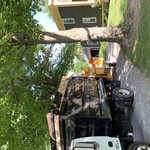
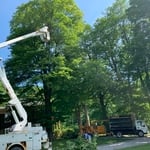
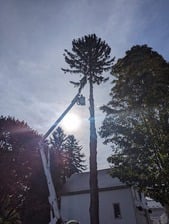
"We had a large group of very tall dead ash trees removed. The trees were located in a difficult location, but they did a fantastic job of removing all the trees, with everything cleaned up. Also, the price was reasonable, especially considering the magnitude of the job."
Tree trimming
Tree trimming
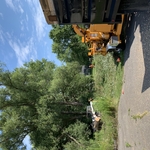
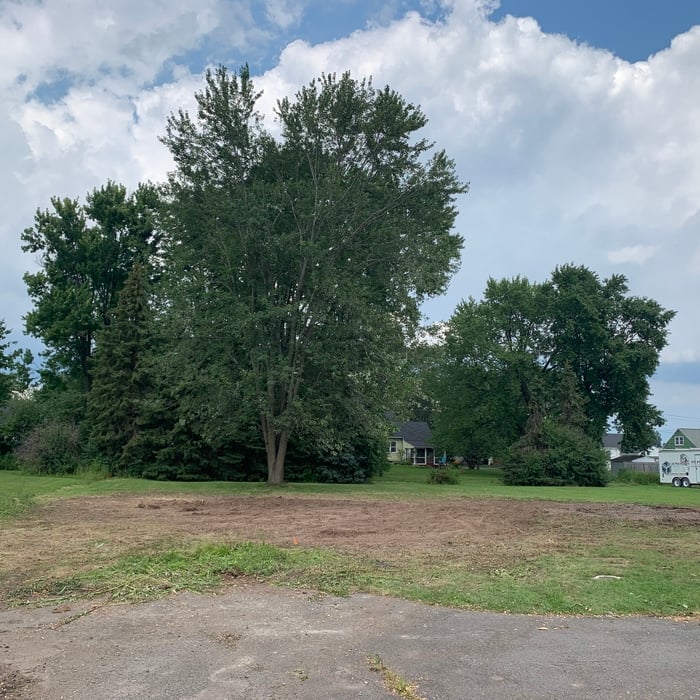
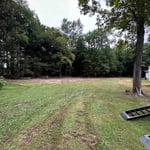
Lot clearing start
Lot clearing middle
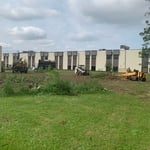
Lot clearing finished

+17

Response time10 hrs
1 neighbors recently requested a quote
Recommended by100%of homeowners

Avatar for AJM LAND PROS LLC
AJM LAND PROS LLC
5.0(
5
)

Serving Sangerfield, NY and surrounding areas

Approved

In business since 2025

Credit card accepted

Offers commercial services

"Showed up very professional, got the job done in a timely fashion and checked up through the process of the job to make sure it was getting done the way I wanted. Would highly reccommend to others looking for any prep work or landscaping needs"
12 neighbors recently requested a quote
Avatar for Double M Industries LLC
Double M Industries LLC
5.0(
4
)

Serving Sangerfield, NY and surrounding areas

Approved

In business since 2019

Free estimates

Credit card accepted

"Double M did a fabulous job with the work we needed including excavation , site work,and a concrete pad. They were professional , knowledgable and had excellent customer service . We would highly recommend them and were very happy with the completed work ."
Driveways
Driveways
Driveways
Horton's Services, Inc.
New to Angi

Serving Sangerfield, NY and surrounding areas

Approved

In business since 2000

Free estimates

Offers commercial services

We take great pride in our experience, expertise, quality, and customer service that we provide to meet the consumer's needs. It is our mission to provide excellent workmanship and complete customer satisfaction from start to completion of a project. In order to understand the needs and expectations of our customers, we take great care to work and communicate with every customer in a professional manner. Our reputation is based on service, safety, and quality, regardless of how large or small the job.

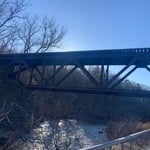
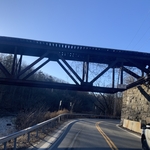
Rail
Rail
Rail
Rail
Response time1 day
5 neighbors recently requested a quote
...
Showing 1-10 of 69
Excavating questions, answered by experts

Digging a bush up by the roots is the most natural DIY method for removing a bush stump. Start by identifying the shrub type and revealing its roots. Cut the shrub to its base and loosen the soil, ensuring no utility lines are nearby. Optionally, treat the base with herbicide, then dig around the roots and cut a circle around the shrub using various tools. Dig a trench, cut the base of the root ball, and finally fill the hole to prevent regrowth. This thorough process ensures complete removal without damaging surrounding areas.

Hard soil could be a sign of overly dry dirt, either from poor drainage or drought. It's important to test the nutrient levels, density, and drainage capacity of your soil to see if it's absorbing water properly. Begin by adding a light layer of water and observing how long the soil retains moisture. If you experience a good deal of runoff, you may need to aerate your lawn, apply a wetting agent, or hire a professional for a closer look.

Depth is not a qualifying component of evacuation. Any human-made cut, cavity, or depression in the earth’s surface is considered excavation. The hole from excavation can be any size, shape, or depth. Excavation is used to create foundations, reservoirs, drainage ditches, and roads. Long, narrow excavations are called trenches and are often used for underground utilities.

How deep your septic system needs to be into the ground depends on several factors. In extremely cold environments, the tank needs to rest below the maximum frost line, which can be up to six or eight feet deep. The standard burying depth for most systems is between a few inches and four feet below ground level. Depth can also depend on the slope of the landscaping and other property variables. 

The physical constraints of hand-drilling a well limit the depth you can achieve. Manually digging with picks and shovels may only lead to shallow wells of up to 60 feet in depth. To reach greater depths, you need more specialized equipment. The diameter of your well and the tools you’re using will determine how far down you can dig.

The Sangerfield, NY homeowners’ guide to excavation services

From average costs to expert advice, get all the answers you need to get your job done.