




Top-rated excavation pros.

Get matched with top excavation pros in Keene, NY

Enter your zip and get matched with up to 5 pros

Need a pro for your excavation project in Keene, NY?

Select your specific project to find the pro for you.

Find Excavation pros in Keene

Avatar for Knickerbocker enterprises
Knickerbocker enterprises
New to Angi
Excavation - Major Grading or ReslopingBuilding Site - Preparation and Clearing

Serving Keene, NY and surrounding areas

Approved

Small jobs welcome

Credit card accepted

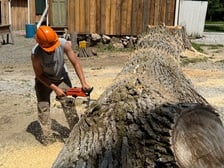
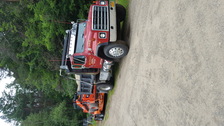
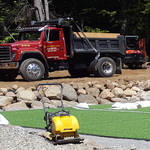
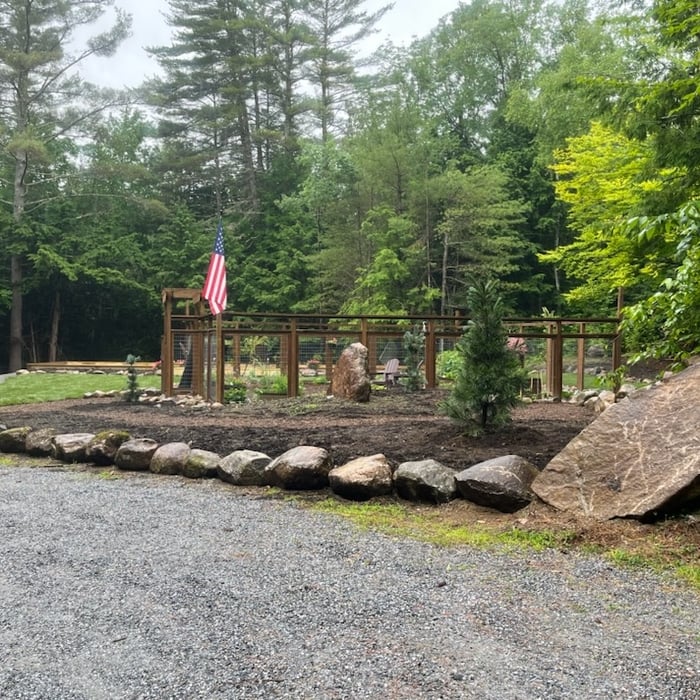
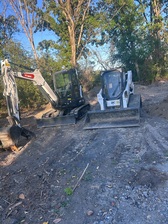
Self employed since 2007. excavation and land clearing. dumpster rental and clean outs. boulder retaining walls and hardscaping. underground electrical services. willing to deliver small and large quantities of sand, gravel and topsoil.

Tennis court
Tennis court
Tennis court
Tennis court
Court and garden

+9

1 neighbors recently requested a quote

Ward Logging, LLC
4.9(
9
)
Building Site - Preparation and ClearingBuilding Site - Preparation and Clearing - For BusinessExcavation - Major Grading or Resloping+1 more

Serving Keene, NY and surrounding areas

In business since 1995

Free estimates

Emergency services offered

"Spoke with Mike one day, excavation and new road complete two days later! A price, beyond fair, that I could afford! Honorable, decent men! Hire again for foundation! Great company!"
Response time2 days
Recommended by100%of homeowners
Hilltop Custom Landscape & Design - Home Facebook
4.5(
50
)
Building Site - Preparation and ClearingBuilding Site - Preparation and Clearing - For BusinessExcavation - Major Grading or Resloping+2 more

Serving Keene, NY and surrounding areas

In business since 2015

Free estimates

Credit card accepted

"Darin and his crew at Hilltop were professional, courteous, knowledgeable and timely. Hilltop handled the excavation, permits, concrete pour, framing, electrical, roofing, siding, and finish of the garage project. It will definitely be an added value to my home. Hilltop did an excellent job, especially in the adverse winter conditions. I would absolutely hire Darin/Hilltop again. Darin was also excellent in communicating via email, text, and/or voice. This was a convenience to me as I do not have cell reception at work."
Response time2 days
Recommended by97%of homeowners
Showing 1-10 of 42
Excavating questions, answered by experts

Trenches are typically 12 to 24 inches deep and 8 inches wide. However, the required depth depends on the specific project and local ordinances. For example, a French drain may need to be 18 inches deep, while a water pipe might require a depth of 24 inches and a drainage pipe 36 inches. Your city or county may have specific regulations, so it's wise to consult with an excavation professional to determine the correct depth for your project.

The rules for trenching and excavation include setting up and following safety protocols, learning how to use tools and machines properly, and ensuring there is a safe exit for all workers. Keep heavy equipment and materials away from the edge of the hole or trench. Call the 811 dig line before starting any excavation or trenching project to ensure you don’t hit any electrical or gas lines.

After you successfully remove your boulder, you have a few options for what to do to get rid of it. You can rent a dumpster if your yard has many boulders or if you’re planning a larger project. You can even save the boulder and reuse it elsewhere on your property to save on landscaping costs. A few ideas include using the boulder as a natural, abstract statue, breaking it into smaller pieces to line your garden bed, or offering it to a landscaping company that could reuse it for another project.

Sewer lines can be buried anywhere from 18 inches to 8 feet deep, with a common average depth between 18 and 30 inches. The exact depth depends on local factors like climate and soil type. In colder regions, pipes must be buried deeper (below the frost line) to prevent freezing, sometimes as deep as 8 feet. The digging depth can also impact the cost of sewer line replacement. To find the specific depth for your property, you can check the building plans for your system, which should be on file with your city or local sanitation department since permits are required for installation.

Septic drain lines (or leach lines) are typically buried between 18 and 36 inches underground, and should be at least 6 inches below the surface. These pipes are perforated and surrounded by filtering materials like sand or gravel. Burying the lines at this depth helps minimize odors and allows bacteria and other biological processes in the soil to effectively treat the wastewater. Burying lines too close to the surface can cause issues unless the soil is very compact and stable.

The Keene, NY homeowners’ guide to excavation services

From average costs to expert advice, get all the answers you need to get your job done.