

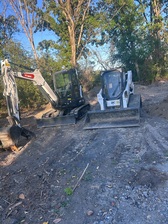
Top-rated excavation pros.

Get matched with top excavation pros in Crown Point, NY

Enter your zip and get matched with up to 5 pros

Need a pro for your excavation project in Crown Point, NY?

Select your specific project to find the pro for you.

Find Excavation pros in Crown Point

Avatar for D.R Guilmette Landworks
D.R Guilmette Landworks
New to Angi

Serving Crown Point, NY and surrounding areas

Approved

In business since 2010

Free estimates

Credit card accepted

D.R Guilmette Landworks has extensive experience working with various areas of land developing. From building site preparation, to new patios for an existing home, our company can do it all.

22 neighbors recently requested a quote
Avatar for Knickerbocker enterprises
Knickerbocker enterprises
New to Angi

Serving Crown Point, NY and surrounding areas

Approved

Small jobs welcome

Credit card accepted

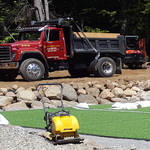
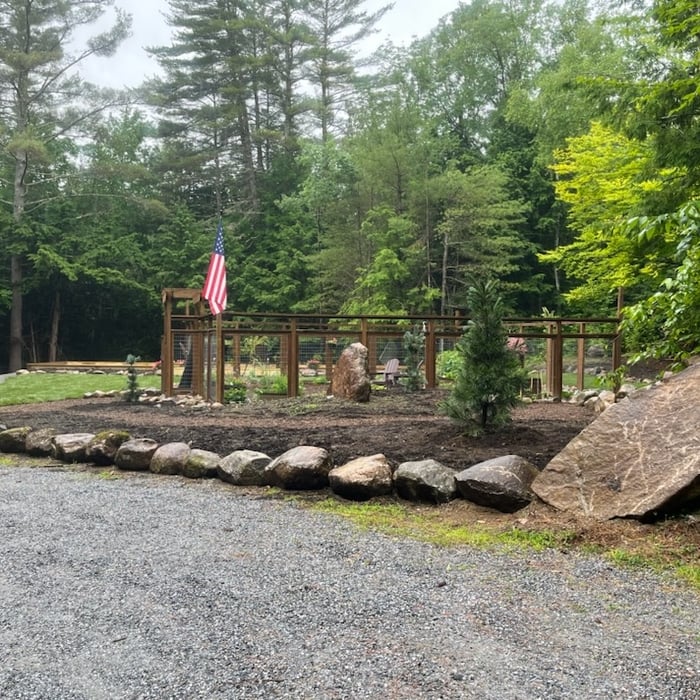
Self employed since 2007. excavation and land clearing. dumpster rental and clean outs. boulder retaining walls and hardscaping. underground electrical services. willing to deliver small and large quantities of sand, gravel and topsoil.

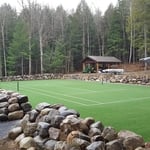
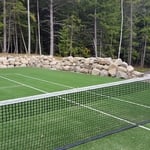
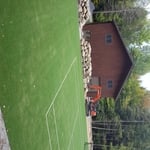
Tennis court
Tennis court
Tennis court
Tennis court
Court and garden

+9

1 neighbors recently requested a quote
Avatar for TruPoint Property Management LLC
TruPoint Property Management LLC
4.7(
6
)

Serving Crown Point, NY and surrounding areas

In business since 2025

Free estimates

Small jobs welcome

"He is exceptional young man, did what I asked him to do. Excellent cleaned up. Put everything away, was neat, he was friendly and just nice to deal with. I'm going to have him come back."
65 neighbors recently requested a quote

Showing 1-10 of 40
Excavating questions, answered by experts

Trenches are typically 12 to 24 inches deep and 8 inches wide. However, the required depth depends on the specific project and local ordinances. For example, a French drain may need to be 18 inches deep, while a water pipe might require a depth of 24 inches and a drainage pipe 36 inches. Your city or county may have specific regulations, so it's wise to consult with an excavation professional to determine the correct depth for your project.

Landscape edging is more DIYable than trenching. You can DIY your own digging projects, but proceed carefully and only with proper knowledge of the equipment and appropriate safety measures in place. Keep in mind the project's scope and estimate how long it will take you to do it on your own. While you can certainly save money by DIYing home improvement projects, you can’t exactly hide an unfinished—or worse, ruined— landscaping job from the neighbors. It’s always safer to call an excavation pro near you to get an estimate.

Your contractor should handle dust control during the project. It's best to speak with your contractor beforehand to check if they plan to cover your furniture, protect your vents, or use fans to redirect dust. Eliminating drywall dust is a particularly large challenge during construction, so always take this into account during your planning phase.

Depth is not a qualifying component of evacuation. Any human-made cut, cavity, or depression in the earth’s surface is considered excavation. The hole from excavation can be any size, shape, or depth. Excavation is used to create foundations, reservoirs, drainage ditches, and roads. Long, narrow excavations are called trenches and are often used for underground utilities.

Drilled wells have a pipe sticking up that’s covered in a plastic or metal casing. On the other hand, a dug well will look like a big hole in the ground and is more similar to what you’d see in a fantasy or Western movie. If you want to be sure, contact the city for documentation on your property’s construction and excavation history. 

The Crown Point, NY homeowners’ guide to excavation services

From average costs to expert advice, get all the answers you need to get your job done.