
Top-rated drywall pros.

Best drywall pros near Islip Terrace, NY

Enter your zip and get matched with up to 5 pros

Need a pro for your drywall service project in Islip Terrace, NY?

Select your specific project to find the pro for you.

TRUSTED BY ISLIP TERRACE, NY HOMEOWNERS

  • Average homeowner rating star icon4.8
    Average homeowner rating
  • Verified reviews icon137
    Verified drywall services reviews

Top-Rated Drywall pros in Islip Terrace - Updated Nov 2026

Avatar for BuildingLI.com - BLI Facilities LLC
BuildingLI.com - BLI Facilities LLC
5.0(
32
)
Drywall - InstallDrywall - Install - For BusinessDrywall - Repair+1 more

Serving Islip Terrace, NY and surrounding areas

Approved

In business since 2017

Free estimates

Emergency services offered

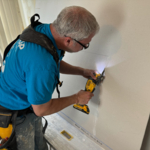
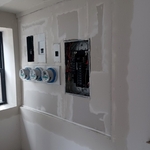
"Eddie was great to work with! We had a limited time frame to adhere to town inspections and Eddie and his team knew exactly what we needed and quickly got the job done. The results were great and even the inspector acknowledged the impressive repair. They were able to put a knocked out garage wall back on the foundation and repair the interior dry wall. I would recommend this company for any professional contract work due to their reasonable price, ease to work with and quality of work."
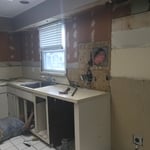
before demo
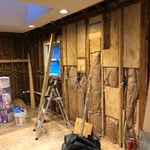
kitchen demolition
demolition complete
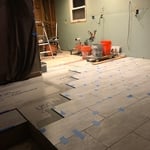
kitchen tile job in progress
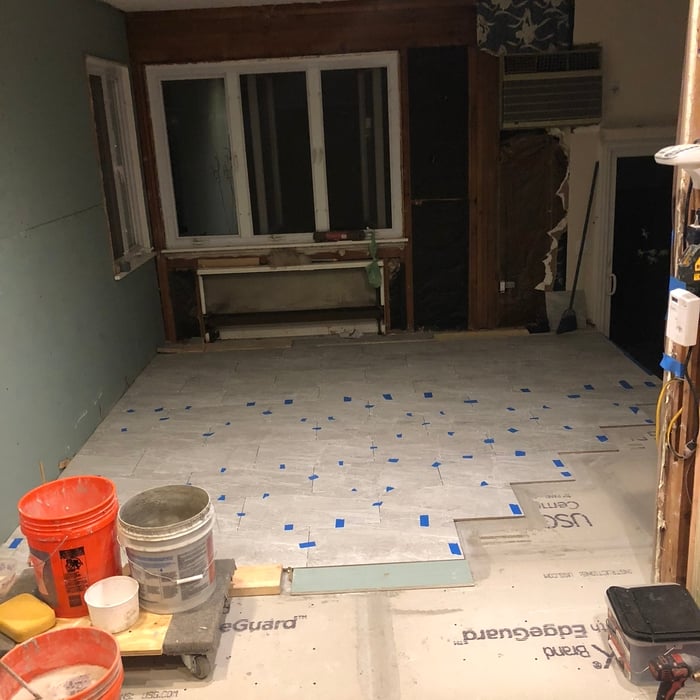
kitchen tile

+172

Response time7 hrs
Recommended by76%of homeowners
Avatar for Just Right Carpentry & Painting
Just Right Carpentry & Painting
4.8(
230
)
Drywall - Repair

Serving Islip Terrace, NY and surrounding areas

Approved

Super Service Award Winner

In business since 1984

Free estimates

Warranties offered

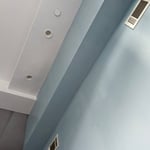
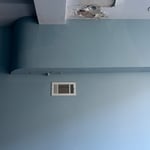
"Just Right did a fine job framing my skylights, installing recessed lighting, insulation and new drywall for the ceiling. Each day they were on time, worked professionally, and delivered a quality job that looked great. Their price was fair and overall we were happy."
Additional Photos
Additional Photos
Additional Photos
Additional Photos
Additional Photos

+55

Response time10 hrs
Recommended by83%of homeowners
...
Showing 1-10 of 541
Drywall FAQs, answered by experts

With its breathability and flexibility, lime plaster is among the most durable of all plaster types. It's also fire-resistant and has a proven track record, as people have been using it for thousands of years.

However, all plaster types will last for many years with the right care and treatment. Proper preparation and installation will also help ensure your plaster walls look great for as long as possible.

There are several benefits to wet-sanding drywall, but the main perk is that it produces far less dust than dry-sanding. As a result, wet-sanding poses fewer health risks and makes less of a mess in your home. Plus, damp sponges are less abrasive than sandpaper, so there’s a smaller chance of scratching or damaging the drywall paper. Wet-sanding also creates a smoother finish than dry-sanding.

Plaster is denser, harder, and more porous than drywall, so it absorbs moisture differently. This means you’ll often need more prep work, such as thorough sanding, patching, and priming with a high-quality bonding primer. Additionally, you may need more coats of paint to achieve even coverage. While the process takes more time, it helps ensure a durable and professional-looking result.

There are six levels of drywall finish, from 0 to 5, that refer to the amount of work performed during the finishing process.

Level 0: Drywall is hung with no finishing work.

Level 1: Tape is placed over the seams between drywall sheets.

Level 2: A thin layer of mud is applied over the tape and screw holes. This level is common for utility rooms or walls that will be covered.

Level 3: A full coat of mud covers the screw holes and tape, but the surface is not sanded. This is often used in garages.

Level 4: This is the most common finish for visible interior walls. It involves applying two coats of mud over seams and screw holes, with sanding between each coat, creating a smooth surface ready for flat paint.

Level 5: This is a high-end finish for luxury homes. It includes full taping, mudding, and sanding, plus a final skim coat over the entire surface before painting.

The two most common drywall thicknesses for ceilings are 1/2-inch and 5/8-inch. For most standard residential applications, 1/2-inch drywall is sufficient and widely used. It provides adequate support and is lighter and easier to handle during installation compared to thicker sheets. However, 5/8-inch drywall is often used for specific cases where additional benefits are needed. It is heavier but provides superior sound dampening and fire resistance. You should consider using 5/8-inch drywall for ceilings in commercial buildings, between a garage and a living space, or above a finished basement to meet building codes or for enhanced soundproofing.

The Islip Terrace, NY homeowners’ guide to drywall services

From average costs to expert advice, get all the answers you need to get your job done.