

Top-rated arborists.

Best arborists near Hoosick Falls, NY

Enter your zip and get matched with up to 5 pros

Need a pro for your arboricultural service project in Hoosick Falls, NY?

Select your specific project to find the pro for you.

TRUSTED BY HOOSICK FALLS, NY HOMEOWNERS

  • Average homeowner rating star icon4.8
    Average homeowner rating
  • Verified reviews icon83
    Verified arboricultural services reviews

Top-Rated Arborists in Hoosick Falls - Updated Nov 2026

Avatar for Capital Pro Tree Removal
Capital Pro Tree Removal
4.9(
29
)
Tree TrimmingTree RemovalTree Stump - Remove+3 more

Serving Hoosick Falls, NY and surrounding areas

Approved

Super Service Award Winner

In business since 2025

Emergency services offered

Credit card accepted

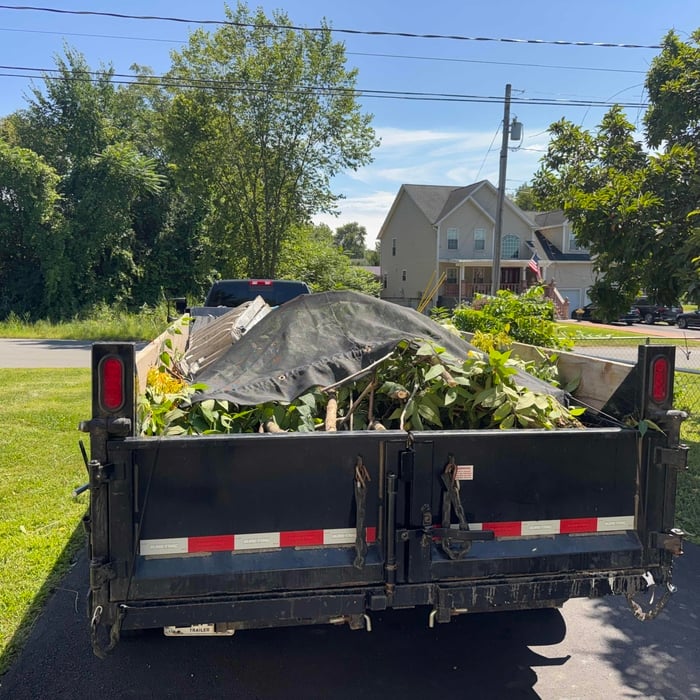
"Brandon the owner was a pleasure to work with. I had him trim 3 large oak trees and remove 5 or 6 smaller trees. He also did the stump grinding. It was all done in a morning. They cleaned up everything, and you couldn't even tell they had been here by 1 PM."
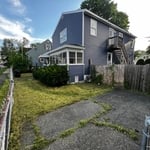
ALBANY: AFTER
ALBANY: BEFORE
ALBANY: CHIPPING
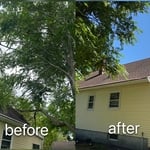
Before
After

+2

Response time2 days
92 neighbors recently requested a quote
Recommended by3%of homeowners
Falzo Landscaping
4.9(
18
)
Tree Stump - RemoveTree Removal - For Business

Serving Hoosick Falls, NY and surrounding areas

Approved

Customers say: True professional

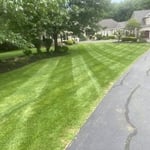
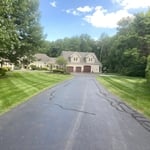
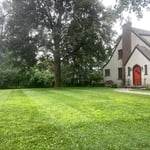
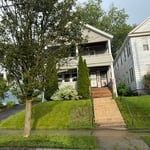
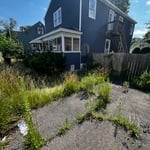
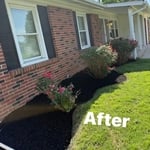
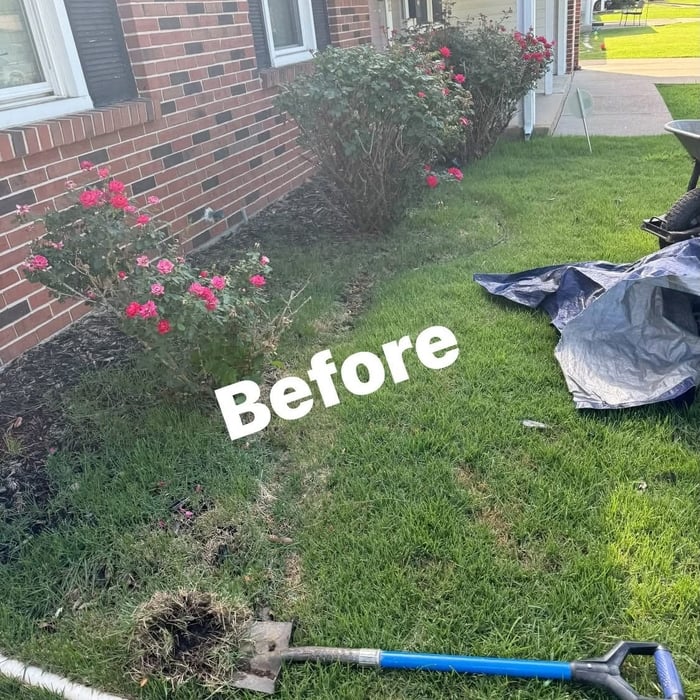
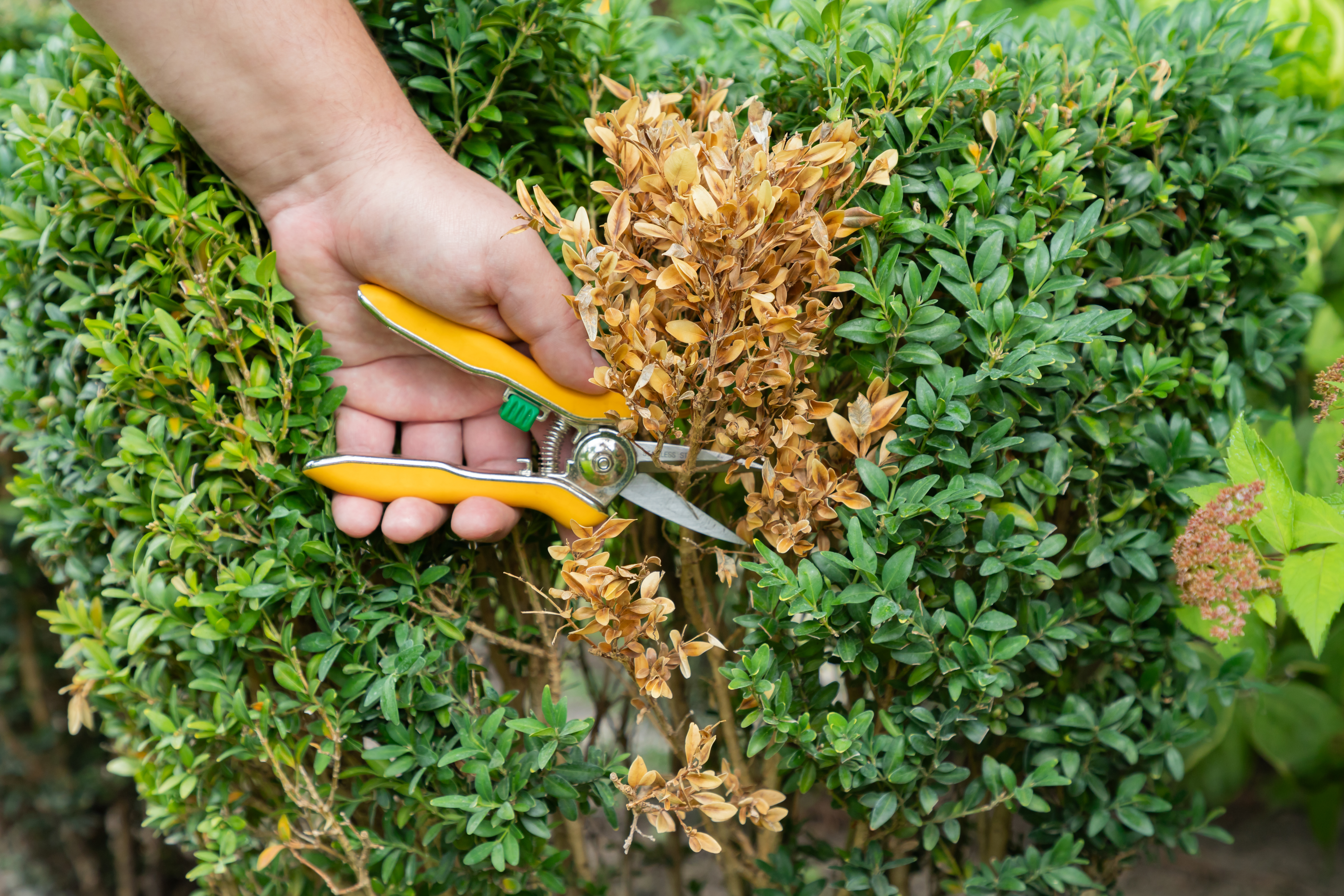
"Couldn’t be happier. Mike and Vinny were a pleasure to work with. Quality of work was great, professional, fair pricing but most of all great customer service. I was just looking for some edging and mulching and he went above and beyond and trimmed my bushes, took care of some shrubs that were dying and cleaned them up to give them a better chance of recovering and had some left over mulch so he did a small strip I had infront of my fence at no extra charge. Would highly recommend."
Additional Photos
Additional Photos
Additional Photos
Response time3 days
Response rate100%
4 neighbors recently requested a quote
...
Showing 1-10 of 78
Arborists FAQs, answered by experts

It is possible to cut down a tree on your property yourself, but it is generally not recommended unless specific conditions are met. You should only consider this project if the tree is small (e.g., under 4-5 inches in diameter and short enough that you don't need a ladder to reach the branches), and you are experienced in handling a chainsaw. The tree must also be located far from any power lines, fences, homes, or other structures. Even for small trees, the work can be dangerous, and it's always advisable to have a spotter to ensure the tree falls correctly and no branches fall on you.

For any tree that is large, requires a ladder to access, or is near electrical lines or structures, you should always hire a professional. Attempting to remove a large tree yourself is extremely dangerous, poses a risk of serious injury, and could result in significant damage to your property.

Before any tree removal, it's also important to check your local and state regulations to ensure the tree is not historic or otherwise protected by your city.


It's easy to misidentify trees that appear to be maple trees due to similarities in leaf shapes. Sweetgum, sycamore, and yellow poplar all have leaf shapes and appearances similar to maples. The fact that around a dozen maple tree varieties exist, only about half of which are considered common, makes misidentification an often typical occurrence.  

You’ll have to balance up the cost, the value of the tree (sentimental or otherwise), and the risk factors. An experienced arborist will help you understand whether transplanting is likely to be successful. The cost and hassle of transplanting a large, well-established tree are often not worth it, especially if the species is fast-growing and easy to source. The decision depends on the age and species of the tree, the conditions in the new site location, and how careful the company is when digging out and moving the tree.

While trees can grow in the curb strip between the sidewalk and the street, this placement often poses the problem of interfering with overhead power lines. It’s best to consult your local utility provider and tree planting service before transplanting a tree that might grow into power lines. Also, you should never work within 20 feet of a live power line to avoid the risk of electric shock. Tree branches should never touch nearby power lines, so it’s essential to ensure your tree isn’t in danger of growing too close to them.

You don’t always need a permit to grind a stump, but you might need one depending on your location and the stump’s surroundings. Permits are often needed if the stump is part of a protected tree species, near public areas or utility lines, or close to environmentally sensitive zones like wetlands. Some cities also regulate noise and work hours. Always check local rules before grinding, and contact your city or county office if you're unsure.

The Hoosick Falls, NY homeowners’ guide to arboricultural services

From average costs to expert advice, get all the answers you need to get your job done.