Top-rated electricians.

Best electricians near Hartford, NY

Enter your zip and get matched with up to 5 pros

Need a pro for your electrical service project in Hartford, NY?

Select your specific project to find the pro for you.

TRUSTED BY HARTFORD, NY HOMEOWNERS

  • Average homeowner rating star icon4.9
    Average homeowner rating
  • Verified reviews icon45
    Verified electrical services reviews

Top-Rated Electricians in Hartford - Updated Nov 2026

Avatar for W B Lightning Rods
W B Lightning Rods
4.6(
372
)
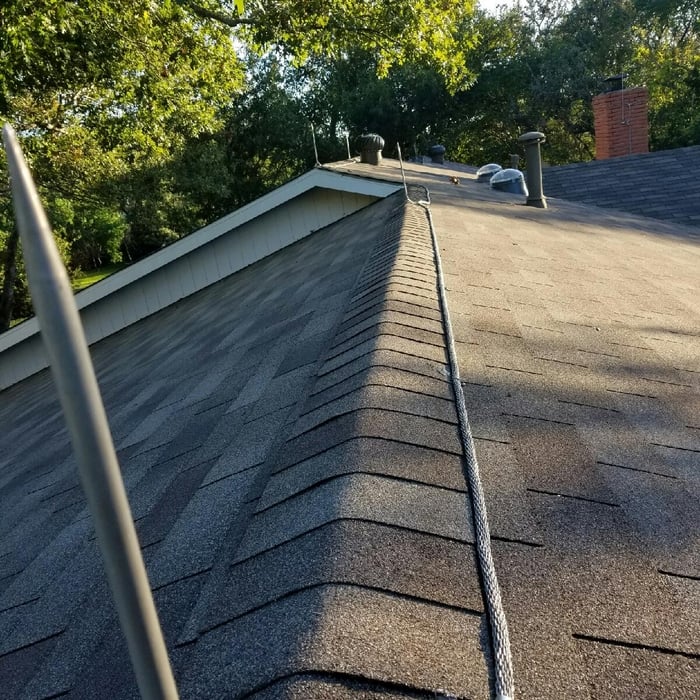
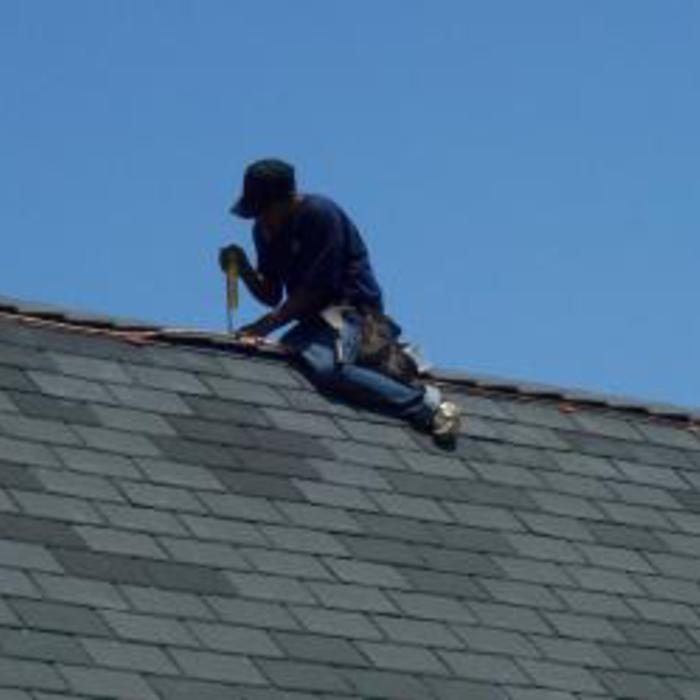
Lightning Protection - Install or Repair

Serving Hartford, NY and surrounding areas

Approved

In business since 2001

Free estimates

Warranties offered

"We have been hit twice by lightning by God's grace either one hit our home however the last strike burnt art motorhome to the ground William was hired to install lightning protection lightning rods on our home and two out buildings he took the time to explain to us everything we needed to know answering every question professionally conducted himself in the utmost professional manner I would highly recommend lightning rods and even more highly recommended hiring William to do the job we are going to do an expansion later on and he will be the one and only contractor I will call to continue our lightning protection"
lightning protection
 Residential LPS
lightning protection
 Residential LPS
lightning protection

+79

Response time1 day
107 neighbors recently requested a quote
Recommended by96%of homeowners

Avatar for Crisafulli Bros. Home Services
Crisafulli Bros. Home Services
4.6(
68
)
Electrical Switches, Outlets & Fixtures - Install or RepairElectrical Wiring or Panel UpgradeCeiling Fan - Install+5 more

Serving Hartford, NY and surrounding areas

Approved

In business since 1939

Credit card accepted

Offers commercial services

"Just too expensive for what you get. Feels like a big company nickel and dime move. I get having a trip charge. Which was $109. But then to have the tech who was great btw (not his fault), but was tentative about fixing the problem because of creating more damage. Another $160 for a simple diagnostic charge, again without fixing the problem. I already knew the diagnosis. So he basically did a Band-Aid fix (greased the Knob) and still charged me over $280+ for what equated to be 10 minutes of work. It was ridiculously high for the service provided. Next time I?m going to an independent, local guy."
Response time1 day
34 neighbors recently requested a quote
Recommended by91%of homeowners

...
Showing 1-10 of 99
Electrical FAQs, answered by experts

To prevent a plug from overheating, always ensure that the electrical load connected to the plug does not exceed the plug's capacity. If the plug feels hot to the touch or emits a burning smell, immediately shut off the circuit breaker and unplug all devices from the hot outlet. Prevent electrical fires by avoiding using extension cords or adapters with the plug, as they can cause it to overheat due to increased resistance. Additionally, ensure that the plug is properly inserted into the outlet and that the outlet is not damaged or loose. 
As a safety measure, you should always turn off the main breaker while operating your generator’s backup breaker. In addition, you should also switch off all appliance breakers so you don't have a power surge when the main breaker turns back on. And finally, turning off the main breaker prevents back-feeding, which endangers utility workers with the risk of electrocution. Back-feeding could also destroy the electrical circuits of your neighbors if they use the same power network.
Yes, many remodels include electrical upgrades for lighting, outlets, or charging stations. Confirm with your contractor.

A sump pump can be plugged into a regular, 110-volt outlet with three-prong openings, but it must have GFCI protections per the NEC, meaning you’ll need a GFCI outlet and circuit. Sump pumps require two outlet openings, one for the plug to the motor and one for the float switch.

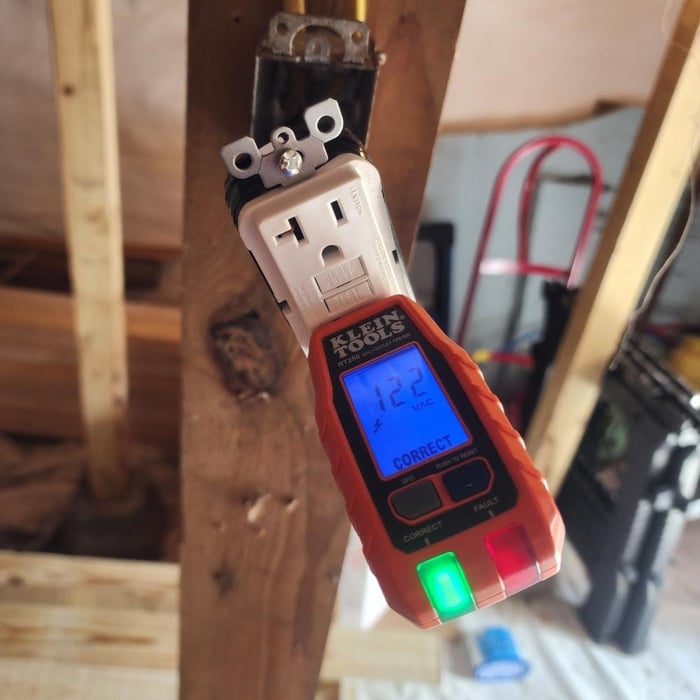
The most common type of electrical outlet is a 3-prong outlet, which has two flat blades (one is wider than the other) and a round grounding pin. Older homes typically have 2-prong outlets that aren’t as safe as more modern options and are generally not up to current electrical codes.  Other outlets you can find in your home include 20A, 125 volt varieties for larger appliances like refrigerators or washing machines. 

There are also GFCI outlets, which protect against electrical shock in wet areas, such as bathrooms and kitchens, and arc fault circuit interrupter (AFCI) outlets, which protect against electrical fires caused by arcing.

The Hartford, NY homeowners’ guide to electrical services

From average costs to expert advice, get all the answers you need to get your job done.