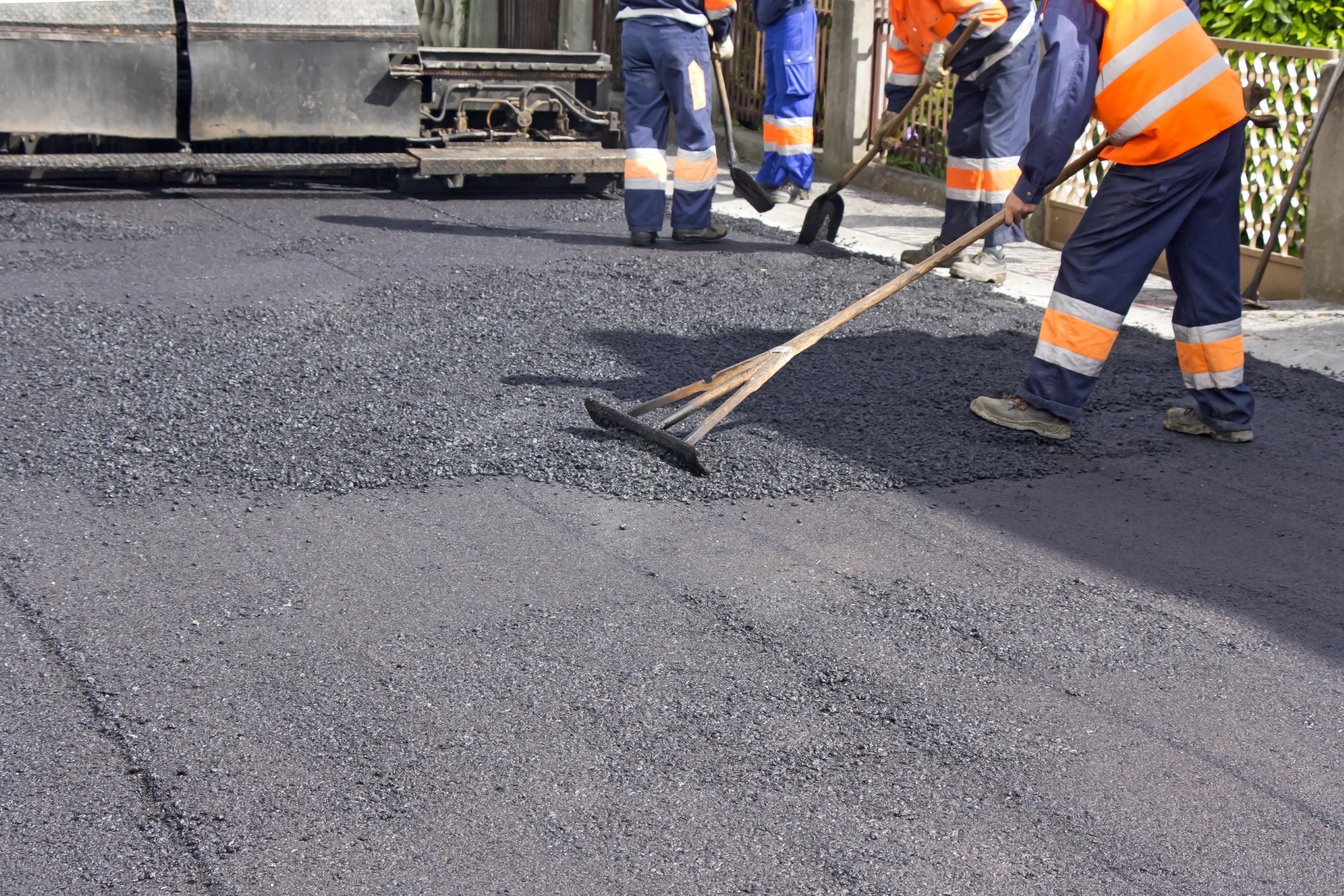


Top-rated asphalt driveway pros.

Get matched with top asphalt driveway pros in Guilford, NY

Enter your zip and get matched with up to 5 pros

Need a pro for your asphalt driveway service project in Guilford, NY?

Select your specific project to find the pro for you.

Find Asphalt driveway pros in Guilford

Avatar for SLD Construction LLC
SLD Construction LLC
5.0(
4
)
Concrete Driveways & Floors - Install- For BusinessConcrete Driveways - Install

Serving Guilford, NY and surrounding areas

Approved

In business since 2024

Free estimates

Offers commercial services

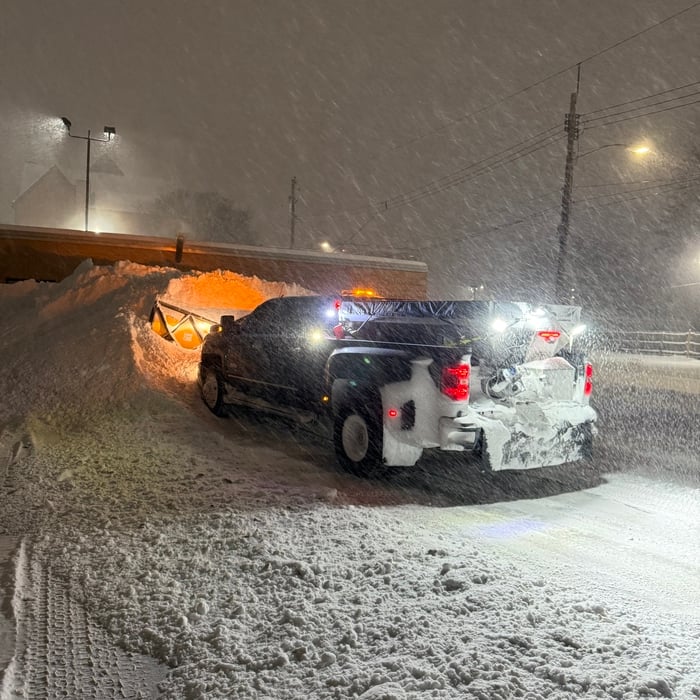
"SLD arrived promptly following the snow storm for proper removal and ice control. Job was done during and after the last snow flake. SLD even visited our site prior to any snow to map out the area for any concerns and where to pile the snow, also marking out Hazards. Very professional team and well prepared."
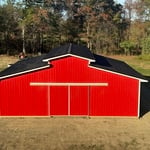
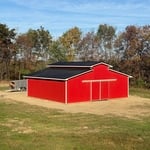
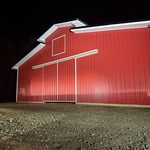
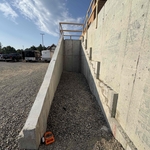
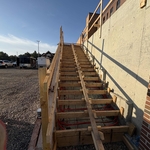
44' x 40' Pole Barn
44' x 40' Pole Barn
44' x 40' Pole Barn
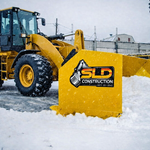
Snow Removal
Snow Removal

+21
Precision Turf Company
5.0(
1
)
Brick and Stone Driveways & Floors - Install

Serving Guilford, NY and surrounding areas

Approved

Free estimates

Offers commercial services

"I contacted Enos about a new seeding project I had on one of our jobs. He was very prompt in responding. Everything was very detailed and well laid out in the estimate. I could not have asked for a better experience from start to finish. Very professional and overall just a great company to work with!"
1 neighbors recently requested a quote
...
Showing 1-10 of 51
Asphalt Driveways questions, answered by experts

Driveways should be sloped with a minimum 2% slope—anything lower will cause precipitation and runoff to collect. A 2% slope is the equivalent of a 2-foot rise over 100 feet. One quick way to check the integrity of your driveway’s slope: no more than four inches of water should collect on the surface longer than 15 minutes after rain.

While blacktop is a type of asphalt, the terms should not be used interchangeably, as not all asphalt qualifies as blacktop. The primary differences are in their composition, production process, and ideal applications. Blacktop contains more stone than other types of asphalt and is heated to a higher temperature during production—300°F or more—while hot-mix asphalt is heated to between 275°F and 300°F. The ratio of bitumen (a tar-like crude oil) is a key differentiator, though sources vary: some state blacktop has less bitumen, making it less durable, while others claim it has a higher ratio. Due to these differences, asphalt is generally more durable and better for high-traffic areas like highways and streets, while blacktop is more suitable for playgrounds and residential driveways. For a driveway project, it is best to consult a professional to determine the most appropriate material.

Sealing coat asphalt after 6-12 months and then every 2-3 years is recommended.

Asphalt and tarmac are not the same thing. Traditional tarmac, short for tarmacadam, uses tar as a binder to hold crushed stone together. Asphalt uses bitumen—a byproduct of crude oil—to bind aggregate. Though tarmac was once a go-to for roads, asphalt has become the modern standard. And these days, most surfaces referred to as “tarmac” are actually asphalt. So, while the names may overlap, the key distinction lies in the binder—tar for tarmac and bitumen for asphalt.

Instead of a set number of types, asphalt comes in variations designed for different needs. Some are categorized by temperature—hot mix, warm mix, and cold mix. Others are sorted by composition, like dense-graded, gap-graded (such as Stone Matrix Asphalt), porous, and mastic asphalt. There are also modified versions with added compounds like polymers, rubber, or emulsions. Instead of focusing on a number, it may be more useful to understand how contractors customize asphalt for durability, climate, and traffic conditions.

The Guilford, NY homeowners’ guide to asphalt driveway services

From average costs to expert advice, get all the answers you need to get your job done.