



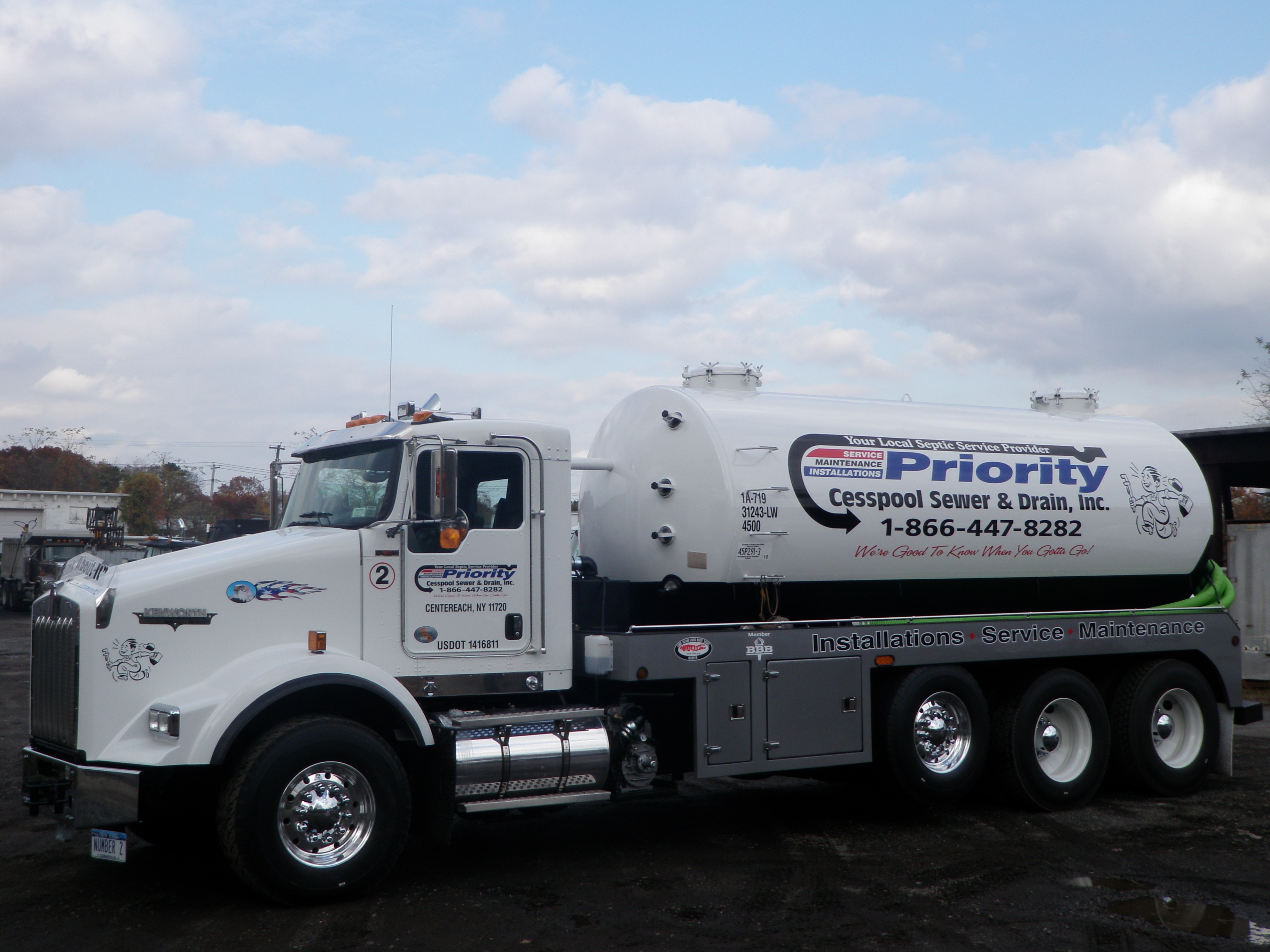
Top-rated excavation pros.

Get matched with top excavation pros in Great Neck, NY

Enter your zip and get matched with up to 5 pros

Need a pro for your excavation project in Great Neck, NY?

Select your specific project to find the pro for you.

TRUSTED BY GREAT NECK, NY HOMEOWNERS

  • Average homeowner rating star icon3.7
    Average homeowner rating
  • Verified reviews icon10
    Verified excavation services reviews

Find Excavation pros in Great Neck

Avatar for Greenovative Home Improvement
Greenovative Home Improvement
4.5(
1
)
Building Site - Preparation and ClearingBuilding Site - Preparation and Clearing - For Business

Serving Great Neck, NY and surrounding areas

Approved

In business since 2013

Free estimates

Emergency services offered

"Antonio, at Greenovative, was great. I really enjoyed his professionalism. He and his crew found creative ways to decrease the price of the project. We are happy we gave Greenovative this project. Honestly, we will use them again."
Response time1 day
Response rate100%
Recommended by100%of homeowners
Rapid Fire Flood Restoration LLC
5.0(
1
)
Building Site - Preparation and ClearingBuilding Site - Preparation and Clearing - For Business

Serving Great Neck, NY and surrounding areas

Approved

In business since 2025

Free estimates

Credit card accepted

"Freddy and his crews are very friendly and professional,they go above and beyond to make it as easy as possible for me and my family,they even took care of the insurance and personal items ,they even keep in contact after the job is finished"
2 neighbors recently requested a quote
...
Showing 1-10 of 218
Excavating questions, answered by experts

You can bury underground electrical wire six inches deep—but only if you use a rigid metal electrical conduit. For rigid, non-metallic conduits, bury the wire at least 12 inches deep. If using an underground feeder cable rated for direct burial, you'll need to place it at least 18 inches deep, as it has no conduit for extra protection.

Trenches are typically 12 to 24 inches deep and 8 inches wide. However, the required depth depends on the specific project and local ordinances. For example, a French drain may need to be 18 inches deep, while a water pipe might require a depth of 24 inches and a drainage pipe 36 inches. Your city or county may have specific regulations, so it's wise to consult with an excavation professional to determine the correct depth for your project.

As a general rule, the protected area should be about 1½ times as wide as the canopy of the tree’s leaves. This digging measurement can vary by tree species and the age of the tree. Of course, that can be a lot of fencing for larger trees, which is why our first step is about making difficult decisions on which trees to save.

Yes. A metal detector is one of the quickest and easiest ways to find your septic tank. However, metal detectors can be too expensive (costing upward of $300 in some cases), and not everyone has a metal detector just lying around. If that’s the case for you, you can also take a long metal rod and poke it into the ground at regular intervals until you hit something—likely your septic tank lid.

In most areas, you will need a permit for excavation work, even for projects that only involve grading or yard leveling. Permit requirements depend on your local government and the scope of the project, but they are especially common for significant digging or work that could affect utilities or public property. These permits help protect the local topography and prevent drainage issues. An experienced excavation company will typically know whether permits are needed and can often handle the process of pulling and closing them for you. You can also verify permit requirements by contacting your local building department and describing your project.

The Great Neck, NY homeowners’ guide to excavation services

From average costs to expert advice, get all the answers you need to get your job done.