




Top-rated asphalt driveway pros.

Get matched with top asphalt driveway pros in Croghan, NY

Enter your zip and get matched with up to 5 pros

Need a pro for your asphalt driveway service project in Croghan, NY?

Select your specific project to find the pro for you.

Find Asphalt driveway pros in Croghan

Noah Lamphear
New to Angi
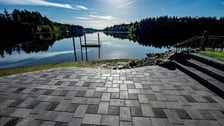
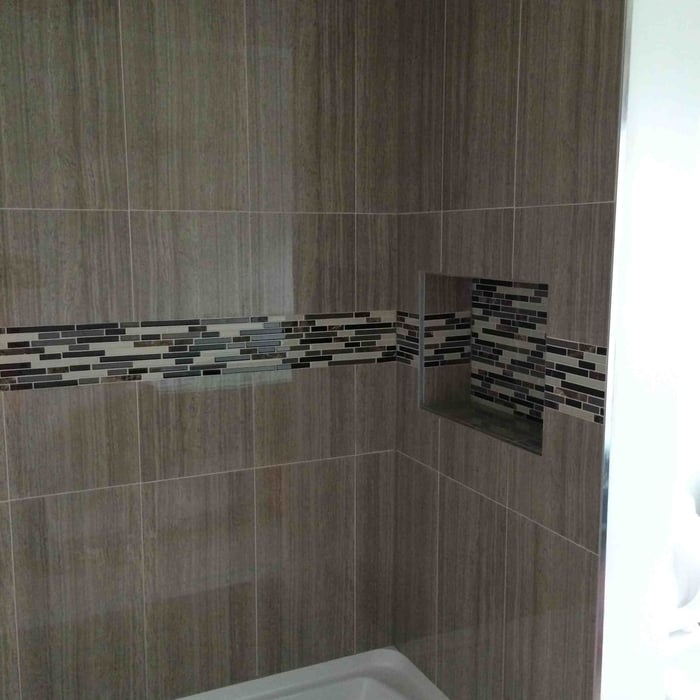
Brick and Stone Driveways & Floors - Install

Serving Croghan, NY and surrounding areas

Approved

In business since 2018

Free estimates

Offers commercial services

Noah Lamphear is a locally owned and operated company that values honesty and integrity in all aspects of our business. Our dedicated team of professionals have over 10 years of hands on experience, to provide innovative ideas and suggestions tailored to your projects. Our services are customized to your individual needs, paying close attention to the details of each project that we are involved with. Please feel free to contact us today! \n\n\n\n

Showing 1-10 of 45
Asphalt Driveways questions, answered by experts

Even with regular maintenance, most driveways don’t last much longer than 30 years. Alligator cracking is a clear warning sign that your driveway’s foundation is failing, and cracks that are deep and wide can let water in, causing more damage. Standing water is another red flag. If your driveway doesn’t drain properly, it’s going to degrade slowly. Finally, if you’re seeing dips or uneven patches, that’s a sign the base layer or soil is shifting. If these issues pop up, it’s time to replace your driveway.

Asphalt driveways last anywhere from 15 to 30 years, but if you don’t stay on top of repairs, you may find yourself spending extra to replace your driveway before its typical lifespan. Stay on top of repairing cracks and potholes by routinely inspecting your driveway once or twice a year. It’s a good idea to pressure wash your asphalt driveway at least once a year to keep it clean. Apply a sealer every one to five years, based on your climate.

Asphalt and tarmac are not the same thing. Traditional tarmac, short for tarmacadam, uses tar as a binder to hold crushed stone together. Asphalt uses bitumen—a byproduct of crude oil—to bind aggregate. Though tarmac was once a go-to for roads, asphalt has become the modern standard. And these days, most surfaces referred to as “tarmac” are actually asphalt. So, while the names may overlap, the key distinction lies in the binder—tar for tarmac and bitumen for asphalt.

If you’re looking for a similar, eco-friendly driveway material, you might consider one of these options:

  • Permeable pavement: This material is sometimes called “pervious” or “porous” pavement; it allows stormwater to drain into the subbase, eliminating storm drain costs. 

  • Gravel: Consider paving your driveway with locally sourced gravel. By sourcing from a nearby source, your money won’t fund international shipping and will be invested back into your local community.

  • Natural stone pavers: Because natural stone pavers are made from organically-produced stone, there’s no new manufacturing required, limiting the environmental impact. In addition, water easily flows and drains through the gaps in the pavers.

Wet cutting is usually the preferred method. It controls dust, which helps protect your lungs and makes for a cleaner working environment. Plus, the water cools the blade, preventing overheating and prolonging its life while providing smoother, more precise cuts. The downside is the mess—water and asphalt sludge can be messy to clean. Dry cutting, though convenient if water isn’t available, creates a lot of dust, which can be harmful. This also increases the risk of blade damage due to overheating. So, if you have the option, wet cutting is the better method for most asphalt jobs.

The Croghan, NY homeowners’ guide to asphalt driveway services

From average costs to expert advice, get all the answers you need to get your job done.